TL;DR:
- West African textile patterns serve as a visual language encoding community values, history, and social status. Community naming and ceremonial use deepen their cultural significance, making them living archives of collective memory and identity. Wearing these textiles requires understanding their context, as their meanings shift across regions, ceremonies, and generations.
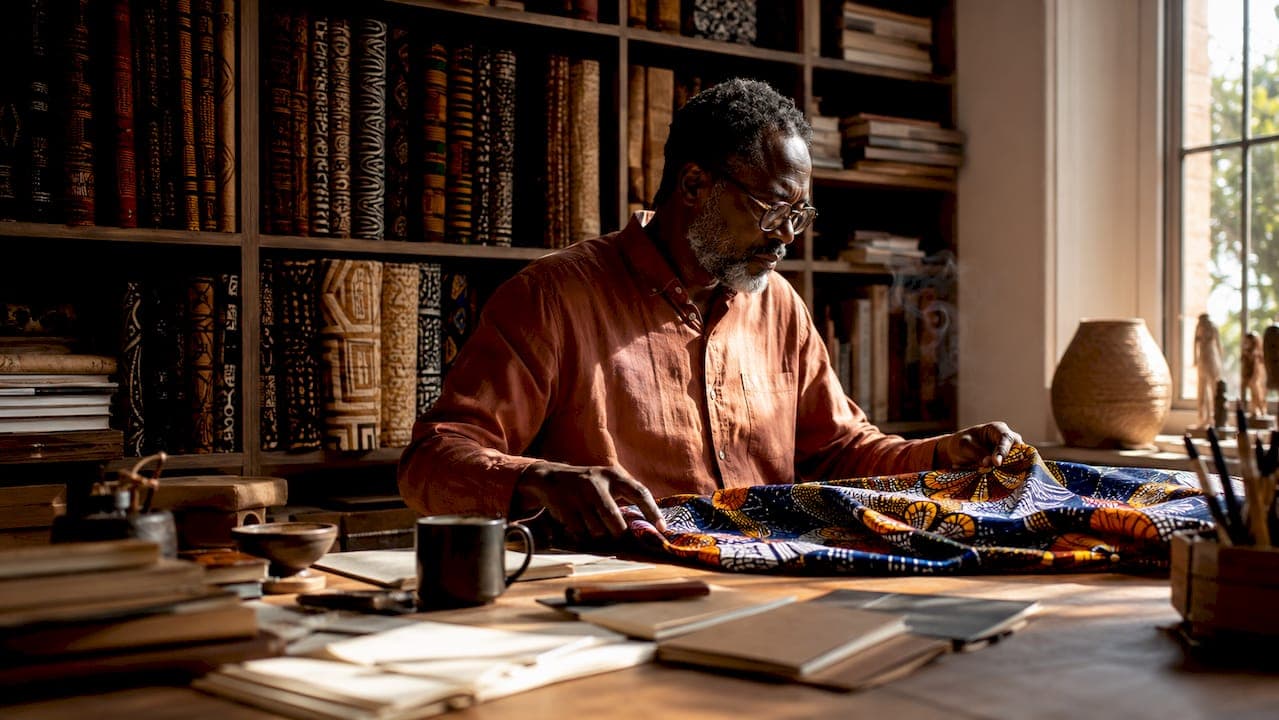
West African patterns are defined as a complex visual language that communicates identity, history, and social values through cloth. This is the core reason why West African patterns are iconic. They are not decoration. They are readable non-verbal languages conveying proverbs, life transitions, and community knowledge. Kente from Ghana, Bogolan from Mali, and Adire from Nigeria each carry distinct symbolic vocabularies that have traveled far beyond their origins without losing their core meanings. Understanding these textiles means understanding a living archive of human experience.
Why West African patterns are iconic: the language of cloth
West African textile significance begins with a simple truth: these patterns speak. Kente cloth from Ghana encodes proverbs into its woven geometry. Each color and strip arrangement references a specific saying or value. Gold signals wealth and royalty. Blue signals peace and harmony. The cloth does not just look meaningful. It is meaningful, in the same way a written sentence is meaningful.
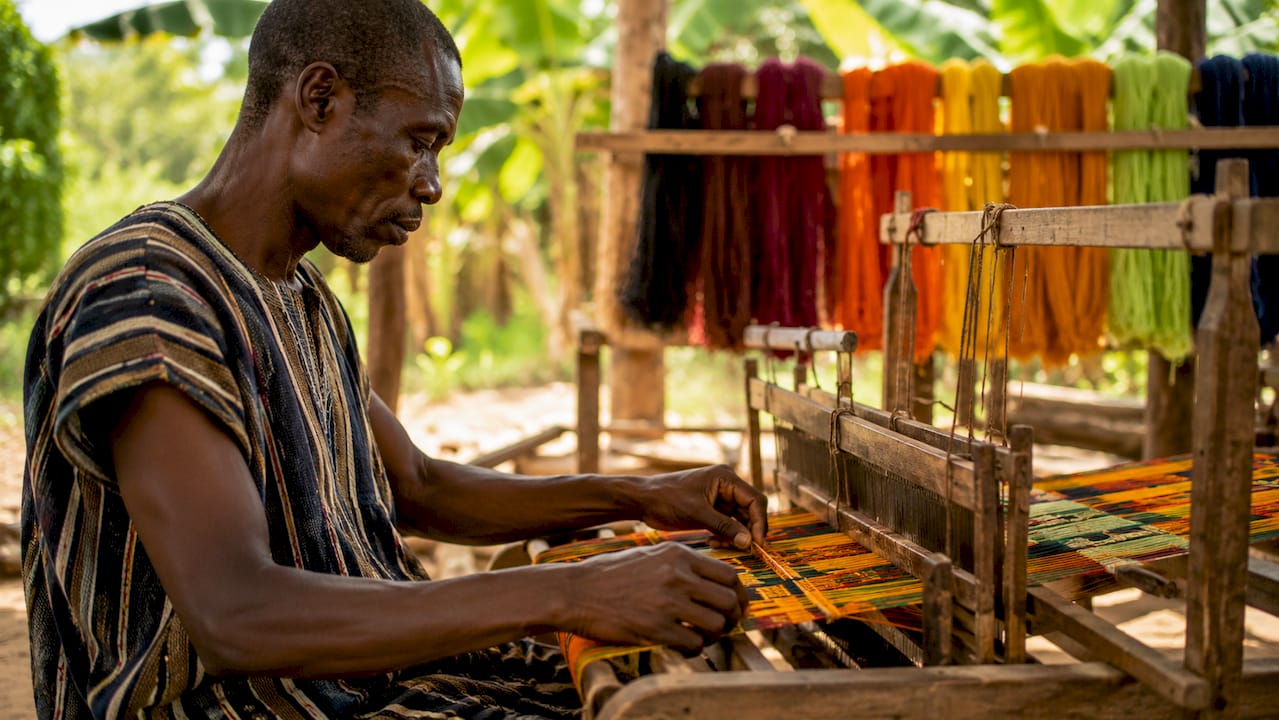
Bogolan, also called mudcloth, from Mali functions differently. Its coded geometric sentences communicate messages that trained readers within the community can decode. Hunters wore specific Bogolan patterns as protective symbols. Women wore particular designs after significant life events. The pattern was a statement of status and spiritual condition, not a style choice.
Adire, the indigo-resist cloth from Nigeria, adds a third dimension. Its pictorial motifs reference animals, plants, and objects that carry layered social commentary. The importance of African patterns like Adire lies in how they encode community knowledge that might never appear in written form. Every motif is a word. Every cloth is a sentence.
Here is what makes this so powerful for you as a fashion enthusiast or cultural explorer:
- Kente designs carry proverb names that Ghanaian wearers recognize immediately, turning a garment into a public statement of values.
- Bogolan patterns were historically restricted by gender and life stage, meaning the cloth itself communicated who you were and where you stood in the community.
- Adire motifs reference local proverbs and natural symbols, creating a visual vocabulary specific to Yoruba culture in Nigeria.
- Ceremonial use activates meaning. Wearing Kente at a graduation or naming ceremony is not the same as wearing it casually. Context is part of the grammar.
Pro Tip: When you buy or wear a West African textile, ask about the pattern's name. The name is often the key to its meaning, and knowing it transforms how you carry the cloth.
How did imported prints become culturally iconic in West Africa?
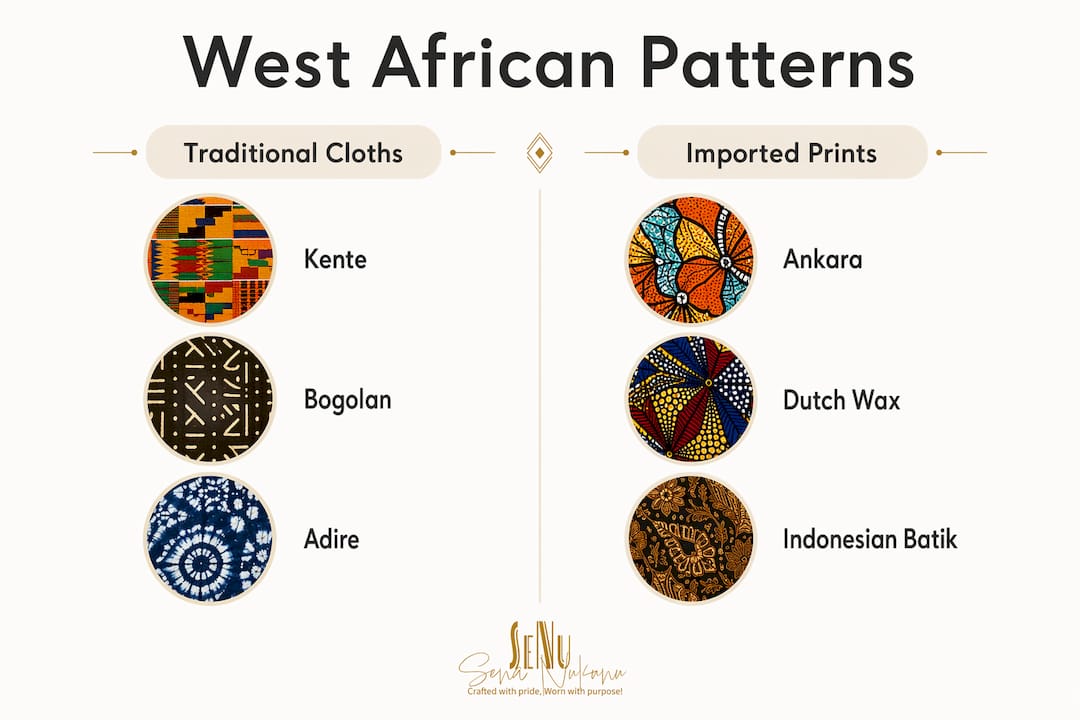
The story of Ankara, also called African wax print, is one of the most fascinating in textile history. The fabric itself originated in Dutch and Indonesian batik traditions. European manufacturers produced it for West African markets in the 19th century. By any strict material definition, it is not indigenous to West Africa. Yet Ankara is now one of the most recognized iconic African fabric styles in the world. The reason is community authorship.
West African communities took imported wax prints and renamed them. They gave each design a local name tied to a proverb, a political event, or a social commentary. A print might be called "My husband's money is mine" or "Jealousy has no cure." These names turned a manufactured textile into a cultural artifact. The cloth carried meaning because the community said it did, not because of where it was made.
The asoebi tradition in Nigeria deepened this process. Asoebi refers to the practice of a social group, often family members or friends, wearing the same fabric to a ceremony. It signals belonging, solidarity, and collective identity. When a family chooses a specific Ankara print for a wedding, that print becomes permanently associated with that event and those relationships. The fabric gains a social biography.
This process of co-creation explains several things about the cultural meaning in African designs:
- Naming gives ownership. Communities that name a print claim interpretive authority over it, regardless of its manufacturing origin.
- Ceremonial use creates memory. A print worn at a funeral or wedding carries that event's emotional weight forever for those who were there.
- Social repetition builds recognition. When a community wears the same cloth together repeatedly, the pattern becomes a symbol of shared identity.
- Market circulation spreads meaning. Traders and market women spread pattern names and their associated stories across regions, building a shared cultural vocabulary.
The iconic status of West African patterns is therefore not a product of origin. It is a product of social authorship. The community decides what is iconic. That is a profound form of cultural power.
West African textiles as living cultural archives
Patterned textiles serve as cultural archives preserving knowledge, history, and power structures in societies where written records were limited or absent. University of Wisconsin research confirms that traditions like Kente and Bogolan function as historical documents. Their original meanings have traveled internationally without being lost. That durability is remarkable.
Think about what this means in practice. When a Ghanaian elder looks at a specific Kente design, they see a reference to a historical event, a royal lineage, or a community value that may be centuries old. The cloth is a library. The wearer is a reader. The ceremony is a reading.
Pro Tip: West African textile traditions share symbolic grammars with West African manuscripts, suggesting these visual systems are part of a much deeper, interconnected knowledge tradition across the region.
The table below shows how three major West African textile traditions function as cultural archives:
| Textile | Origin | Archival function |
|---|---|---|
| Kente | Ghana (Ashanti) | Encodes royal proverbs and life-cycle events |
| Bogolan | Mali | Records social status, spiritual protection, and life transitions |
| Adire | Nigeria (Yoruba) | Preserves community proverbs and natural symbolism through indigo resist |
The history of West African textiles is inseparable from the history of the communities that made them. Each cloth is a timestamp. Each pattern is a record. The influence of West African designs on global fashion is partly explained by this depth. When the world sees these patterns, it senses that something meaningful is being communicated, even without knowing the specific vocabulary.
How do pattern meanings shift by region and ceremony?
The unique aspects of African motifs include their remarkable flexibility. The same print can carry different names and entirely different meanings depending on where you are and who is wearing it. This is not inconsistency. It is a sign of a living language.
Here is how meaning shifts across contexts:
-
Regional renaming. A single Ankara print may have one name in Lagos, a different name in Accra, and yet another in Abidjan. Each name carries its own social commentary, reflecting local values and current events. Pattern names and meanings are learned socially through family and market immersion, not from any single authoritative source.
-
Ceremonial timing. Kente worn at a funeral communicates mourning and respect. The same Kente worn at a naming ceremony communicates joy and welcome. Ceremonial context activates specific layers of meaning that the motif alone does not carry. Insiders assess meaning by when and why cloth is worn, not only by what the motif looks like.
-
Gender and life stage. Historically, certain Bogolan patterns were restricted to specific genders or life stages. A pattern worn by a young woman after initiation carried a different message than the same pattern worn by an elder. The body wearing the cloth was part of the text.
-
Outsider interpretation. Visitors and fashion consumers outside the tradition often see these patterns as beautiful geometry or bold color. That is a valid response. But it misses the cultural literacy required to read the full message. Reducing these motifs to aesthetics is like admiring the calligraphy of a poem without reading the words.
-
Global adaptation. As West African patterns appear on runways in Paris, New York, and Tokyo, new layers of meaning accumulate. The pattern becomes a symbol of African identity and pride on a global stage, adding a political and diasporic dimension to its original community meanings.
Understanding why African patterns matter requires accepting that their meanings are plural, dynamic, and community-owned. There is no single correct reading. There is only a richer or a shallower one, depending on how much you know.
Key takeaways
West African patterns are iconic because they function as a living visual language encoding identity, history, and social values that communities actively author and protect.
| Point | Details |
|---|---|
| Patterns are a visual language | Kente, Bogolan, and Adire each carry proverb-based meanings that trained community members can read. |
| Community authorship creates icons | West African communities renamed and re-storied imported prints like Ankara, making cultural ownership about who defines meaning. |
| Textiles are cultural archives | Traditions like Kente and Bogolan preserve historical knowledge internationally without losing their core meanings. |
| Meaning shifts by context | The same pattern carries different names and messages across regions, ceremonies, and life stages. |
| Cultural literacy deepens appreciation | Knowing a pattern's name and ceremonial context transforms how you experience and honor the cloth. |
What wearing these patterns has taught me
I have spent years working with West African heritage fashion, and the single biggest mistake I see is treating these patterns as purely visual. People fall in love with the color and geometry, which is a natural response. But the moment you learn that a specific Kente design translates to "the one who does not know can know from learning," something shifts. The cloth becomes a conversation.
What I find most powerful is the idea of community-driven fashion as a form of cultural documentation. Every time a family chooses a specific Ankara print for a ceremony, they are adding a chapter to that fabric's story. The cloth accumulates meaning the way a family album accumulates photographs. You cannot separate the image from the memory it holds.
The uncomfortable truth about global fashion's embrace of these patterns is this: admiration without literacy can flatten something profound into something merely pretty. That is not a reason to avoid these textiles. It is a reason to go deeper. Learn the name of the pattern you are wearing. Ask where it comes from. Find out what ceremony it was made for. That curiosity is itself a form of respect.
Senanukunu was built on exactly this belief. Every piece we carry is rooted in a story worth knowing. The goal is never just to look good. The goal is to wear something that carries the spirit of a legacy and to know what that legacy means.
— Sena
Authentic West African fashion rooted in real stories
Senanukunu brings the depth of West African textile tradition into ready-to-wear fashion that you can carry with pride every day. Each piece in the collection is crafted with care for cultural accuracy, ethical production, and the kind of artisanship that honors the legacy behind every motif.
Whether you are drawn to the bold geometry of contemporary West African motifs or looking for a statement piece rooted in real heritage, Senanukunu has something made for you. From vibrant culturally inspired dresses to matching sets that tell a story, every item is a piece of living culture. Visit Senanukunu to find your next statement piece and wear the legacy with intention.
FAQ
What makes West African patterns different from other textile traditions?
West African patterns function as a non-verbal language encoding proverbs, social status, and historical events. This documentary role sets them apart from purely decorative textile traditions.
Why is Kente cloth considered so iconic?
Kente is historically royal sacred cloth worn for major life events, and its design names remain legible as cultural proverbs. The combination of ceremonial context and encoded meaning gives it lasting significance.
Is Ankara actually West African in origin?
Ankara originated from Dutch and Indonesian batik traditions but became iconic through West African community authorship. Local communities renamed and re-storied the prints, making cultural ownership about who defines meaning rather than who manufactures the cloth.
How do I learn the meaning of a specific pattern?
Pattern names and meanings are learned socially through family, market immersion, and community tradition. Asking the seller or maker about a pattern's name is the most direct way to access its meaning.
Do West African pattern meanings change over time?
Yes. The same print can carry different names and interpretations across regions and generations. Meaning is community-driven and dynamic, which is a sign of a living cultural tradition rather than a fixed one.