TL;DR:
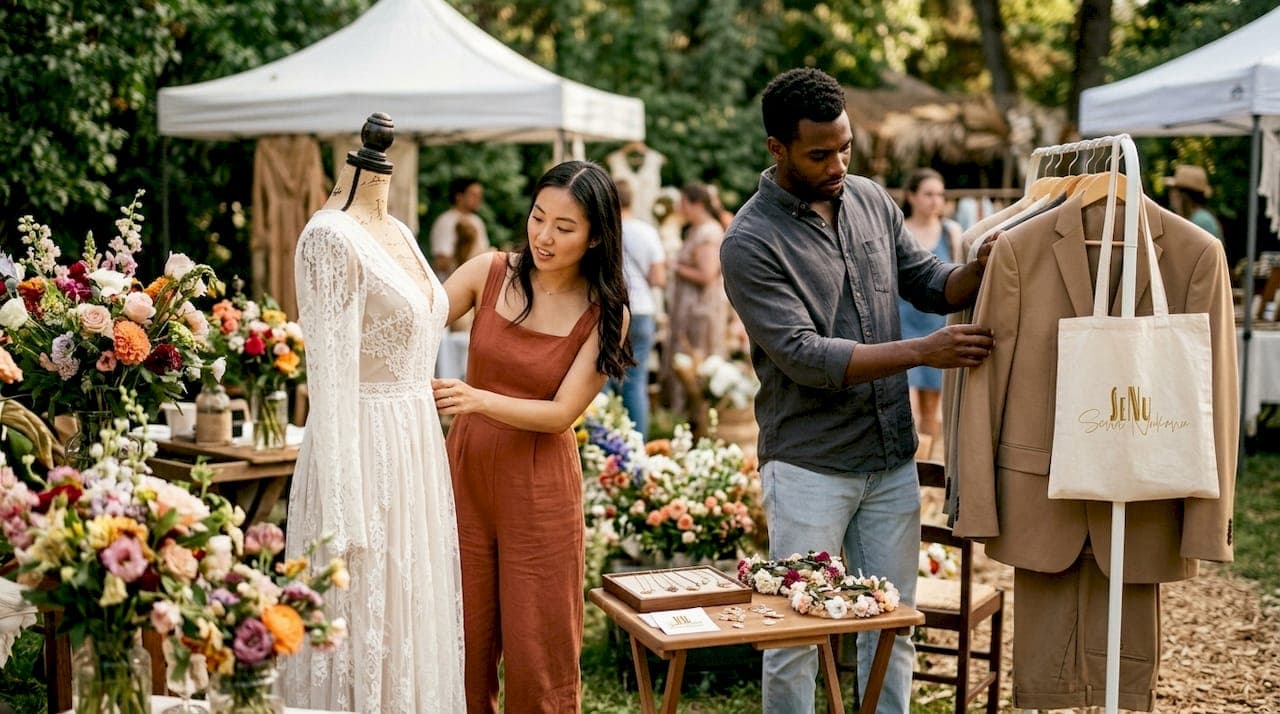
- Wedding attire planning requires early organization to ensure a coordinated and comfortable look for the entire wedding party. Starting 8 to 12 months in advance allows time for selection, alterations, and fittings that fit the venue, season, and dress code. Proper preparation minimizes last-minute issues and creates timeless, confident wedding outfits.
A step-by-step wedding attire guide gives couples a clear path through every clothing decision, from ordering the gown to coordinating the groomsmen's suits. Wedding outfit planning is not just about personal style. It requires timing, venue awareness, and group coordination to pull off a look that feels both beautiful and intentional. The most common mistake couples make is treating attire as a last-minute detail. This guide walks you through every stage, so you arrive at your wedding day dressed with confidence, comfort, and purpose.
What does a step-by-step wedding attire guide actually cover?
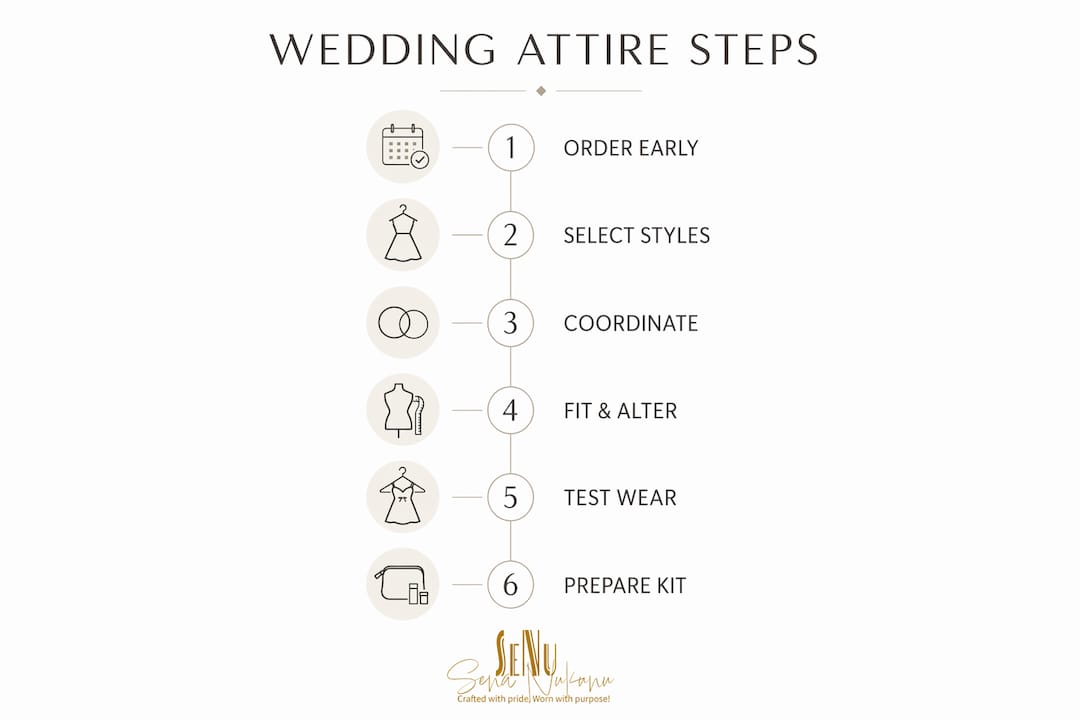
A complete wedding attire guide covers six core stages: timing, selection, coordination, fitting, wear-testing, and troubleshooting. Each stage builds on the last. Skip one, and the whole plan can unravel. The goal is not just a beautiful outfit. It is an outfit that works for your venue, your body, your budget, and your entire wedding party.
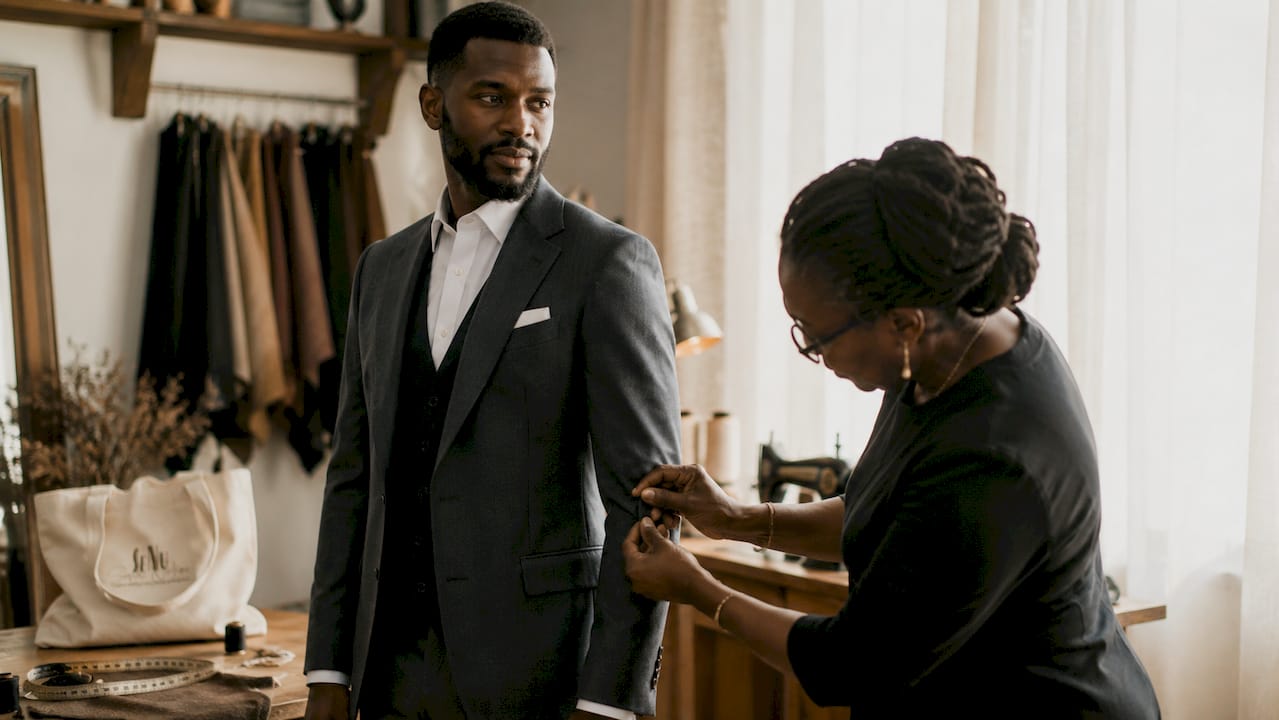
The industry term for this process is bridal fashion coordination, and it extends well beyond the bride's gown. It includes the groom's suit, bridesmaids' dresses, groomsmen's attire, and key family members' looks. When every element is planned together, the result is a cohesive visual story that photographs beautifully and feels effortless on the day.
When should you order your wedding attire?
Timing is the single most critical factor in wedding outfit planning. Start ordering 8–12 months before your wedding date. That window accounts for production time, shipping, and the multiple rounds of alterations every garment requires.
Here is the timeline that professional stylists follow:
- 12 months out: Research styles, visit bridal boutiques, and place your gown or suit order. Custom and semi-custom pieces require the longest lead time.
- 8–10 months out: Confirm bridesmaids' and groomsmen's attire. Order all pieces together to guarantee dye-lot consistency in color.
- 6 months out: Begin accessory sourcing. Shoes, veils, ties, and pocket squares should be in hand before the first fitting.
- 3–4 months out: First fitting for the bride. Alterations typically require 2–3 rounds over 8–12 weeks, so starting early protects you from rushed work.
- 2 weeks out: Schedule your final fitting. This is the last chance to address any fit issues before the wedding day.
Pro Tip: Budget for alterations separately from the garment cost. Bridal gown alterations typically run $150–$500, while suit alterations average $50–$100. These costs surprise many couples who assume alterations are included in the purchase price.
Production and shipping alone can consume 4–6 months of your timeline. Ordering late is the fastest way to end up with a gown that fits poorly because there was no time for proper alterations.
How does venue, season, and dress code shape your choices?
72% of couples now hold weddings at non-traditional venues. That shift changes everything about how you choose fabrics, silhouettes, and footwear. A barn wedding in july calls for breathable linen and block-heeled sandals. A ballroom wedding in december calls for structured satin and closed-toe heels.
Matching fabric to venue and season
- Beach or outdoor garden: Chiffon, organza, and lightweight crepe. Avoid heavy beading that traps heat. Opt for wedge heels or flat sandals that won't sink into grass or sand.
- Ballroom or hotel: Satin, mikado, and duchess fabrics hold their shape under air conditioning and photograph richly under chandeliers.
- Rustic barn or vineyard: Lace, tulle, and cotton blends. Sturdy block heels or boots work better than stilettos on uneven terrain.
- City rooftop or industrial space: Sleek crepe or tailored suiting. Clean lines read well against architectural backdrops.
Decoding dress codes
| Dress code | What it means | What to avoid |
|---|---|---|
| Black tie | Floor-length gowns, tuxedos | Cocktail dresses, casual suits |
| Formal | Formal gowns or dressy midi, dark suits | Casual fabrics like denim or linen |
| Semi-formal | Cocktail dresses, suits with ties | Overly casual or overly formal pieces |
| Casual or garden party | Sundresses, light suits, no tie required | Heavy fabrics, floor-length gowns |
Building an outfit brief centered on venue, time of day, and environment prevents mismatched attire. Think of the brief as a one-page document that lists your venue type, ceremony time, expected weather, and formality level. Every attire decision flows from that brief.
How do you coordinate attire for your wedding party?
Coordinating a group of people is where many couples lose momentum. The key is to set a color palette and fabric family first, then give individuals flexibility within those parameters. This approach keeps the look cohesive without making bridesmaids wear identical dresses they will never touch again.
Pro Tip: Choose two or three complementary colors rather than one exact shade. Mismatched neutrals like dusty rose, blush, and champagne photograph beautifully together and allow each person to wear a tone that flatters their skin.
A practical checklist for wedding party coordination:
- Confirm all measurements at least 6 months before the wedding.
- Order all garments from the same supplier to control color consistency.
- Assign one person per group (bridesmaids, groomsmen) to manage fitting schedules.
- Provide footwear guidelines with a heel-height range, not a specific shoe, so everyone can find comfort.
- Coordinate accessories by category: all bridesmaids wear pearl jewelry, all groomsmen wear matching pocket squares.
Fashion consultants advise leaning toward clean lines, well-fitted basics, and neutral tones rather than loud prints or fast-fashion pieces. That principle applies to the entire party, not just the couple. A well-fitted suit in a classic navy reads more timeless than a trendy patterned blazer that dates the photos within two years.
For a deeper look at building a cohesive outfit workflow, the wedding guest outfit workflow guide from Senanukunu covers the brief-building process in detail.
How do you finalize your outfit and prepare for the wedding day?
The final two weeks before your wedding are about confirmation, not change. Every garment should be pressed, hung, and ready. Every accessory should be packed. Your job is to walk into the day with zero open questions about what you are wearing.
Follow this sequence for the final stage:
- Schedule your final fitting 2 weeks out. The final fitting is your last opportunity to catch any fit issues. Do not skip it, even if the dress felt perfect at the previous appointment.
- Wear-test your full outfit. Put on every layer, including shapewear, shoes, and accessories, and practice sitting, dancing, and walking. Identify any areas of discomfort before the wedding day.
- Break in your shoes. Wear them around the house for at least a week. Comfort essentials like broken-in shoes tailored to your venue's flooring are often overlooked but critical.
- Pack an emergency kit. Include a travel sewing kit, safety pins, clear nail polish (for stocking runs), a stain remover pen, double-sided fashion tape, and a small lint roller.
- Photograph your flat lay. Lay out every piece of your outfit the night before and photograph it. This confirms nothing is missing and gives you a reference if anything gets misplaced.
Wardrobe malfunctions occur in 1 out of 5 weddings. That statistic means preparation is not paranoia. It is standard practice. An emergency kit takes 20 minutes to assemble and can save hours of stress on the day.
What are the most common wedding attire mistakes to avoid?
Most attire problems are predictable. Knowing them in advance means you can sidestep them entirely.
- Ordering too late. Rushing alterations produces poor results. A gown ordered 3 months before the wedding has almost no room for error.
- Ignoring the venue environment. A full cathedral-length train is stunning in a ballroom and a liability on a beach. Match your silhouette to your setting.
- Misjudging dress code formality. Arriving underdressed at a black-tie event or overdressed at a casual garden party creates discomfort for everyone.
- Prioritizing trends over comfort. A corset bodice that photographs beautifully but restricts breathing will ruin your reception experience.
- Skipping the wear-test. High-end materials matter less than wearability. A gown you cannot sit in for six hours is not the right gown, regardless of its price tag.
"The most elegant wedding outfits are the ones the wearer forgets they have on. Comfort is not a compromise. It is the foundation of confidence, and confidence is what every wedding photo captures."
Timing pitfalls are the most damaging. Rushed alterations, last-minute purchases, and overlooked accessories all stem from starting too late. The complete wedding attire checklist only works if you begin working through it early enough to course-correct.
Key Takeaways
A successful wedding attire plan starts with timing and ends with a wear-tested, emergency-ready outfit that reflects both your style and your venue.
| Point | Details |
|---|---|
| Start ordering early | Place gown and suit orders 8–12 months before the wedding to allow time for production and alterations. |
| Build an outfit brief | Document your venue, season, dress code, and environment before making any attire decisions. |
| Budget for alterations | Set aside $150–$500 for bridal gown alterations and $50–$100 for suits, separate from garment costs. |
| Wear-test everything | Practice sitting, dancing, and walking in your full outfit, including shoes, at least two weeks before the event. |
| Pack an emergency kit | Include safety pins, fashion tape, a stain remover pen, and a sewing kit to handle day-of surprises. |
What I've learned from watching couples get this wrong
The couples who struggle most with wedding attire share one habit: they treat the outfit as a solo decision made in a vacuum. They fall in love with a gown in a boutique, order it, and only then start thinking about the venue, the season, the party, and the logistics. By that point, they are locked into choices that may not serve them.
What actually works is starting with the brief. Before you look at a single dress or suit, write down your venue, your ceremony time, your expected weather, and your formality level. That document becomes your filter. Every piece you consider either fits the brief or it does not. The decision-making becomes faster and more confident.
I also believe strongly in the wear-test, and I think most couples underestimate how much it reveals. You will discover that the shoes you loved in the store feel brutal after two hours of standing. You will find that the structured bodice that looked perfect in the mirror makes it hard to breathe when you sit down. These are fixable problems, but only if you find them before the wedding day.
The simplest outfits almost always photograph best. A well-fitted suit in a classic cut, a gown with clean lines and beautiful fabric, coordinated accessories in a consistent palette. These choices age well, feel comfortable, and let the people wearing them shine rather than compete with the clothes.
— Sena
Senanukunu's wedding-ready styles, made with purpose
Senanukunu carries a curated collection of vibrant, ethically made pieces rooted in West African heritage, designed to make every wearer feel regal and confident. Whether you are looking for a statement piece for a pre-wedding celebration, a reception look that stands apart, or a coordinated set for the wedding party, Senanukunu's designs are crafted with intention and care. Each piece is made in limited quantities, so the quality and craftsmanship remain consistent. Explore the coordinated sets collection for wedding party options that balance individuality with a cohesive aesthetic. Every stitch carries the spirit of a legacy worth wearing.
FAQ
How far in advance should I order my wedding dress?
Order your bridal gown at least 8–12 months before your wedding date. This window covers production, shipping, and 2–3 rounds of alterations.
What is an outfit brief and why does it matter?
An outfit brief is a short document listing your venue, ceremony time, expected weather, and dress code. It prevents mismatched attire by giving every decision a clear filter.
How much should I budget for wedding dress alterations?
Bridal gown alterations typically cost $150–$500, and suit alterations run $50–$100. Budget for these separately from the garment purchase price.
What should go in a wedding day emergency kit?
Pack a travel sewing kit, safety pins, fashion tape, a stain remover pen, clear nail polish, and a lint roller. Wardrobe malfunctions affect 1 in 5 weddings, so preparation is standard practice.
How do I coordinate attire for a large wedding party?
Set a color palette and fabric family first, then allow individuals to choose within those parameters. Order all garments from the same supplier to control color consistency across the group.