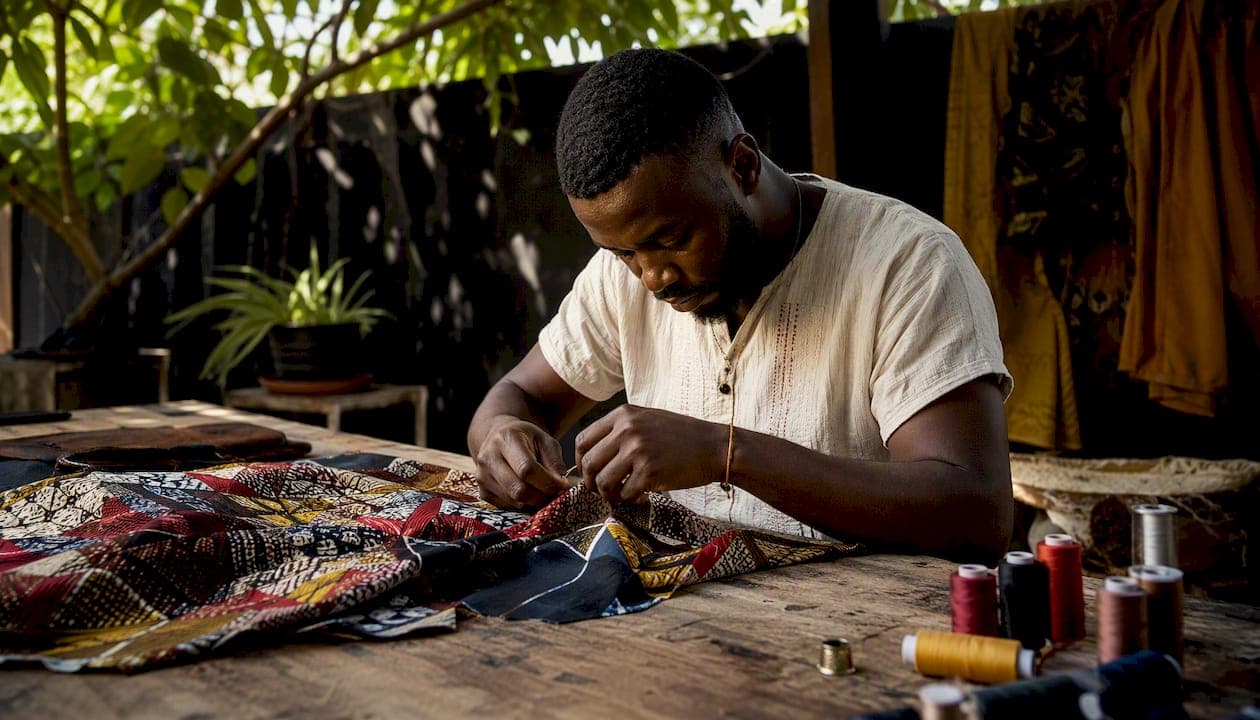
Upcycled fashion, known in industry research as "remaking," organizes best by two axes: the remaking method and the garment or accessory it becomes. The PLATE2025 remaking lexicon identifies eight repeatable methods — over-dye, over-print, embellish, alter, splice, piece, patchwork, and refabricate — and each one can be applied across dozens of garment types to create entirely new pieces. The types of upcycled fashion pieces you will find in this article span nine garment and accessory categories, with concrete project examples and quick how-tos for each.
Here is a quick-reference list of the main categories and a few starter examples:
- Denim remakes: jeans become patchwork jackets, midi skirts, or quilted totes
- T-shirt transforms: tees become braided bags, crop tops, or graphic collage shirts
- Men's shirt refashions: oversized shirts become fitted blouses, aprons, or wrap dresses
- Dress reconstructions: vintage dresses become two-piece sets or layered skirts
- Knitwear repairs: sweaters get visible darning or patchwork elbow panels
- Bag and belt creations: leather scraps and old ties become structured bags and woven belts
- Shoe and accessory overlays: sneakers get fabric wraps; scarves become headbands or bag charms
- Zero-waste crafts: small fabric scraps become patchwork accessories, pins, or stuffed ornaments
- Mixed-material hybrids: tablecloths, curtains, or mylar bags become statement garments
Key Takeaways
Organizing upcycled fashion by remaking method first, then by garment type, gives you the clearest path from inspiration to a finished piece you will actually wear.
| Point | Details |
|---|---|
| Method-first approach | Eight repeatable methods (patchwork, visible mending, over-dye, reconstruct, etc.) apply across all garment types. |
| Best beginner projects | A visible mend or no-sew t-shirt tote takes under two hours and costs almost nothing. |
| Three material sources | Post-consumer thrift, pre-consumer deadstock, and post-producer offcuts each shape design and cost differently. |
| Anchor garment rule | Always start silhouette changes from a garment with generous ease to minimize waste and ensure accurate refitting. |
| Cultural connection | Visible mending and patchwork traditions from sashiko, boro, and West African textile culture all treat repair as intentional design. |
Table of Contents
- 1. What are the main types of upcycled fashion pieces by garment?
- 2. Core techniques and materials that shape every upcycled piece
- 3. What upcycled fashion trends are shaping what people make right now?
- 4. How do you pick your first upcycle project and get started?
- 5. Over 50 upcycle project ideas you can try this weekend
- Why upcycling speaks to something deeper than just sustainability
- Sources
1. What are the main types of upcycled fashion pieces by garment?
Every garment category offers its own creative territory. Below is a catalog of common upcycled outcomes organized by the base item, with a one-sentence how-to and practical callouts for each.
Denim
- Patchwork jacket: Cut denim from multiple pairs of jeans, piece them together with a flat-felled seam, and line the interior. Difficulty: intermediate | Time: weekend | Cost: low
- Denim midi skirt: Unpick the inseams of two pairs of jeans, insert a fabric panel at the front and back, and hem to length. Difficulty: beginner | Time: a few hours | Cost: low
- Quilted denim tote: Cut denim squares, quilt them together with batting, and add sturdy handles from belt scraps. Difficulty: beginner | Time: several hours | Cost: low
T-shirts
- Braided tote: Cut a tee into strips, braid three strands together for handles, and knot the base closed. Difficulty: beginner | Time: under an hour | Cost: none
- Graphic collage shirt: Layer printed panels from multiple tees onto a base shirt and topstitch the edges flat. Difficulty: intermediate | Time: a couple of hours | Cost: low
- Crop top with raw hem: Measure and cut a straight line across the torso, then wash to encourage a natural fray. Difficulty: beginner | Time: a short time | Cost: none
Men's shirts
- Fitted blouse: Take in the side seams, shorten the hem, and add darts at the bust for shape. Difficulty: intermediate | Time: a few hours | Cost: low
- Wrap dress: Unpick the front placket, extend the hem with a contrast fabric, and add a tie at the waist. Difficulty: advanced | Time: multiple days | Cost: medium
- Apron: Cut the back panel free, add bias tape around the edges, and attach long ties at the neck and waist. Difficulty: beginner | Time: about an hour | Cost: low
Dresses
- Two-piece set: Cut a vintage dress at the natural waist, finish both raw edges, and style as a crop top and skirt. Difficulty: beginner | Time: one to two hours | Cost: low
- Layered patchwork dress: Attach panels of contrasting vintage fabrics to the skirt of a base dress for a tiered effect. Difficulty: intermediate | Time: weekend | Cost: low–medium
Knitwear
- Darned sweater: Use a darning mushroom and contrasting wool to weave a visible patch over a hole or worn elbow. Difficulty: beginner | Time: one to two hours | Cost: low
- Patchwork cardigan: Cut woven fabric patches and hand-stitch them over worn areas with a decorative running stitch. Difficulty: beginner | Time: a few hours | Cost: low
Outerwear
- Embroidered denim jacket: Add hand or machine embroidery across the back yoke and collar of a thrifted jacket. Difficulty: intermediate | Time: multiple days | Cost: low–medium
- Patchwork coat: Splice panels of wool from multiple coats and reconstruct them into a single statement piece. Difficulty: advanced | Time: multiple days | Cost: medium
Bags and belts
- Leather scrap bag: Punch holes along the edges of leather remnants and lace them together with waxed cord. Difficulty: intermediate | Time: several hours | Cost: low
- Woven necktie belt: Braid or weave three silk neckties together and add a D-ring closure at one end. Difficulty: beginner | Time: about an hour | Cost: none
Shoes and accessories
- Fabric-wrapped sneakers: Cut strips of printed fabric and adhere them to the toe box and sides with fabric glue. Difficulty: beginner | Time: one to two hours | Cost: low
- Scarf headband: Fold a vintage silk scarf into a narrow band and knot it at the crown for an instant accessory. Difficulty: beginner | Time: 5 mins | Cost: none
Pro Tip: When altering a garment's silhouette, always start with an anchor garment that already has generous ease and the right drape. Cutting into something too fitted leaves no margin for error.
2. Core techniques and materials that shape every upcycled piece
Understanding the method behind a project helps you choose the right base garment, the right tools, and the right source of fabric. The PLATE2025 research on categorizing remaking methods proposes eight repeatable techniques that apply across garment types, making it easier to compare projects by skill level rather than only by final product.
| Technique | Best base fabrics | Core benefit | Starter project |
|---|---|---|---|
| Over-dye | Cotton, linen, natural blends | Refreshes faded color; hides stains | Dye a faded tee in a new solid color |
| Over-print | Woven cotton, canvas | Adds graphic interest to plain pieces | Screen-print a motif onto a plain shirt |
| Embellish | Any stable woven fabric | Low-skill, high visual impact | Add beads or patches to a denim jacket |
| Alter/reconstruct | Woven garments with seam allowance | Changes silhouette with minimal new material | Take in a men's shirt into a fitted blouse |
| Splice/piece | Denim, canvas, woven cotton | Combines multiple garments into one | Join two pairs of jeans into a patchwork skirt |
| Patchwork | Denim, quilting cotton, linen | Uses small scraps; zero-waste friendly | Quilt a tote from denim squares |
| Visible mending | Knits, woven denim, canvas | Repair as design; extends garment life | Darn a sweater hole with contrasting wool |
| Refabricate | Knits, woven fabric with enough yardage | Deconstructs and rebuilds entirely | Unravel a sweater and reknit into a new shape |
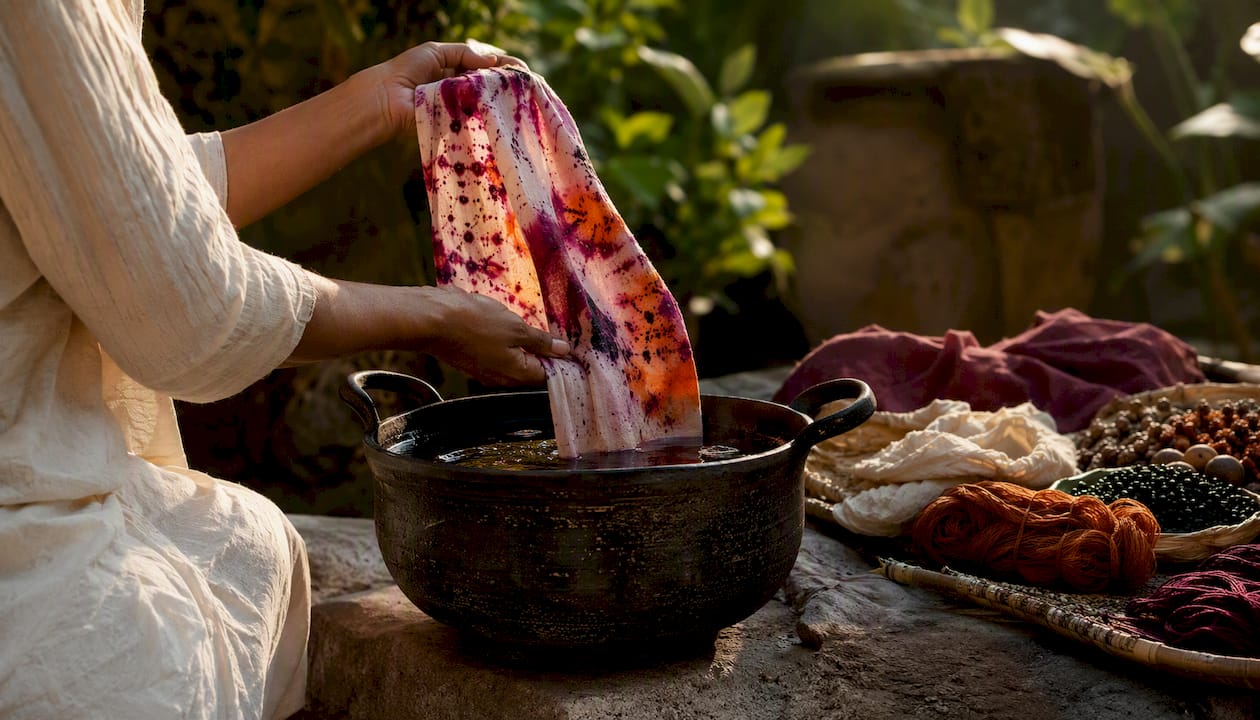
The visible mending movement draws directly from Japanese sashiko and boro traditions. Sashiko uses small, even running stitches in a grid pattern to reinforce woven fabrics like denim and canvas, while boro builds layered patchwork over time. Both treat repair as a design statement rather than a flaw to hide, which connects naturally to West African textile traditions where mending and reuse carry cultural meaning. You can explore how cultural motifs shape modern dress design for more on that thread.
Material sources and how they affect your project
A study of upcycle fashion design identifies three material-source categories that shape both design outcomes and cost:
- Post-consumer: Thrifted or donated garments. Widely available and low-cost, but condition varies. Always wash and inspect before cutting.
- Pre-consumer / deadstock: Unused fabric from manufacturers. Often higher quality and consistent, but harder to find and sometimes more expensive. Many designers, like the Oakland-based maker profiled by KQED, source deadstock to create one-of-a-kind pieces with reliable yardage.
- Post-producer: Offcuts and scraps from production runs. Ideal for zero-waste accessories and patchwork; requires creative piecing to use efficiently.
Safety and cleaning basics
- Wash all secondhand garments in hot water before cutting or wearing.
- Check for unknown substances, mold, or pest damage, especially on street-found or heavily worn items.
- For delicate or handmade pieces, follow the guidance in caring for handmade garments to avoid damage during prep.
- If you are working with non-textile materials like mylar or plastic, use proper ventilation and protect your sewing machine needle, as unconventional materials can damage equipment.
Pro Tip: For visible mending to read as intentional design, mark a repair grid before you stitch, keep your stitch length consistent, and extend your stitching at least half an inch past the damaged area in every direction.
3. What upcycled fashion trends are shaping what people make right now?
Trend reporting for 2025 points to five strong currents in creative fashion upcycling that are driving both DIY projects and small-label collections.
- Vintage denim remixes: Jackets and skirts reworked with patchwork panels, embroidery, and paint are the most visible trend. A quick project: add a hand-stitched sashiko grid across the back yoke of a thrifted jacket.
- Patchwork beyond denim: Quilters and garment makers are applying patchwork logic to silk, linen, and cotton shirting, not just denim. Think a patchwork blazer made from men's dress shirts in coordinating prints.
- Upcycled accessories: Bags, belts, and jewelry made from leather scraps, vintage scarves, and hardware are growing fast. Small-batch makers are turning mylar bags and found materials into statement clutches, as seen in profiles of New York street-fashion designers.
- DIY customization: Buyers are personalizing mass-market basics with embroidery, iron-on patches, and fabric paint. A plain white tee becomes a canvas; a thrifted sweatshirt becomes a one-of-a-kind art piece.
- Upcycled activewear: Leggings and sports bras made from deadstock performance fabric or reconstructed from old athletic wear are gaining ground, driven by the overlap between sustainability values and fitness culture.
- Visible mending as statement: Darned knees on jeans, embroidered patches on sweaters, and contrasting thread repairs on linen shirts are moving from niche craft circles into mainstream styling.
4. How do you pick your first upcycle project and get started?
For most beginners, the best first project is either a visible mend on a worn knit or a no-sew t-shirt tote. Both require minimal tools, cost almost nothing, and produce a finished piece in under two hours.
Starter tools checklist
- Sharp fabric scissors (dedicated to fabric only)
- Hand-sewing needles in assorted sizes
- Measuring tape and fabric chalk or washable marker
- Seam ripper
- Iron and pressing cloth
- Fabric glue or iron-on hem tape (for no-sew options)
Materials sourcing checklist
- Thrift stores and estate sales for post-consumer garments
- Online deadstock fabric marketplaces for pre-consumer yardage
- Your own closet for worn or ill-fitting pieces
- Household textiles (tablecloths, curtains, scarves) as supplementary fabric
Starter project guide
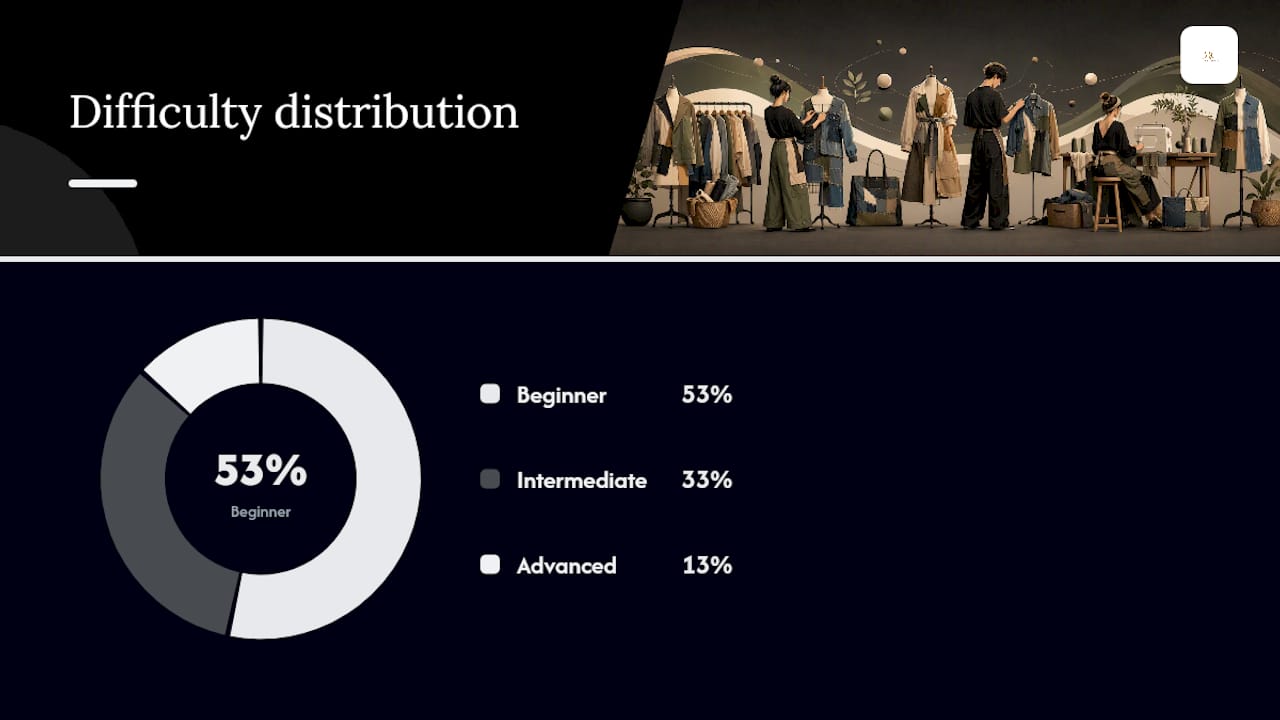
| Project | Estimated time | Approximate cost | Difficulty |
|---|---|---|---|
| Visible mend (sweater darn) | 1–2 hours | $5 (yarn only) | Beginner |
| T-shirt tote (no-sew) | 30–45 mins | none | Beginner |
| Jean shorts (cut and fray) | 30 mins | none | Beginner |
| Shirt-to-fitted blouse | 2–3 hours | none–$10 | Intermediate |
| Patchwork denim jacket | Full weekend | $5–$20 | Intermediate |
How to start any upcycle project (step by step)
- Select your base garment and confirm it has enough fabric or structure to work with.
- Sanitize by washing thoroughly before cutting or wearing.
- Plan your design on paper or with chalk marks directly on the fabric.
- Test your technique on a scrap piece before committing to the final garment.
- Execute the main work, checking fit and proportion as you go.
- Finish raw edges with a serger, zigzag stitch, or bias tape to prevent fraying.
Small-batch and on-demand manufacturing approaches follow a similar logic: plan before cutting, test before committing, and finish with care. The same discipline that makes a professional collection work applies at the kitchen table.
5. Over 50 upcycle project ideas you can try this weekend
These prompts are organized loosely by time commitment. Each carries a difficulty label and a time cue so you can match the project to your afternoon or your week.
Quick fixes (30–90 minutes, beginner)
- Darn a sweater hole with contrasting embroidery floss — 45 mins
- Cut a tee into a no-sew tote bag — 30 mins
- Fray the hem of jeans into shorts — 30 mins
- Tie-dye a faded white shirt with rubber bands and dye — 1 hour
- Sew an iron-on patch over a worn knee — 20 mins
- Braid t-shirt strips into a bracelet — 30 mins
- Fold a vintage scarf into a headband — 5 mins
- Add iron-on letters to a plain sweatshirt — 45 mins
- Cut a men's shirt into a crop top — 20 mins
- Knot a silk scarf onto a bag handle as a charm — 10 mins
- Bleach-splatter a dark denim jacket for a faded effect — 1 hour
- Wrap a sneaker toe box with printed fabric and glue — 1 hour
- Stitch a visible running-stitch border around a jacket pocket — 45 mins
- Weave three neckties into a belt — 1 hour
- Sew a button collection onto a plain tote — 45 mins
Weekend projects (2–8 hours, beginner to intermediate)
- Convert a men's dress shirt into a fitted blouse — 3 hours, intermediate
- Make a quilted denim tote from jean scraps — 4 hours, beginner
- Reconstruct a vintage dress into a two-piece set — 3 hours, beginner
- Embroider a floral motif across a denim jacket yoke — 4–6 hours, intermediate
- Sew a patchwork pillow cover from fabric scraps — 2 hours, beginner
- Dye a linen dress with natural indigo — 3 hours, beginner
- Reconstruct a blazer into a cropped version — 4 hours, intermediate
- Make a fabric-covered headband from a knit sleeve — 1 hour, beginner
- Sew a gathered skirt from a tablecloth — 3 hours, beginner
- Lace leather scraps into a small crossbody bag — 4 hours, intermediate
- Add patchwork panels to the hem of a plain dress — 3 hours, intermediate
- Over-print a plain canvas tote with a carved potato stamp — 1 hour, beginner
- Reconstruct a wool coat into a shorter jacket — 6 hours, intermediate
- Sew a patchwork denim mini skirt from two pairs of jeans — 4 hours, intermediate
- Make a fabric-wrapped picture frame from shirt scraps — 2 hours, beginner
- Turn a soccer jersey into a cocktail dress with a gathered skirt panel — 4 hours, intermediate
- Sew a reversible tote from two contrasting shirts — 2 hours, beginner
- Make a patchwork bandana from quilting cotton scraps — 1 hour, beginner
- Convert a maxi skirt into a strapless dress — 3 hours, intermediate
- Reconstruct a cardigan into a vest — 2 hours, intermediate
Multi-session refashions (multiple days, intermediate to advanced)
- Build a patchwork jacket from 4–6 pairs of denim jeans — multiple days, intermediate
- Reconstruct a men's suit jacket into a structured blazer dress — multiple days, advanced
- Sew a patchwork coat from wool coat panels — multiple days, advanced
- Create a wrap dress from an oversized men's shirt and contrast fabric — multiple days, advanced
- Quilt a full-size throw from worn cotton shirts — multiple days, intermediate
- Reconstruct a vintage tablecloth into a summer dress — multiple days, intermediate
- Build a structured bag from leather belt scraps and canvas — multiple days, intermediate
- Sew a patchwork blazer from men's dress shirts — multiple days, advanced
- Reconstruct a vintage sari into a modern wrap skirt and top set — multiple days, advanced
- Make a mylar bag clutch with fabric lining and a zipper — multiple days, intermediate
- Reconstruct a denim jacket and matching skirt into a coordinated set — multiple days, intermediate
- Sew a zero-waste patchwork vest from small fabric offcuts — multiple days, intermediate
- Build a quilt-as-you-go denim wall hanging from worn jeans — multiple days, beginner
- Reconstruct a vintage coat into a statement cape — multiple days, advanced
- Make a full patchwork dress from vintage cotton shirting panels — multiple days, advanced
Why upcycling speaks to something deeper than just sustainability
Every piece of clothing carries a story, and choosing to remake rather than discard is one of the most honest ways to honor that story. At Senanukunu, we see the same spirit at work in West African textile traditions, where fabric is never wasted and every repair is an act of care and intention. The artisans whose work inspires our collections understand that a garment's life does not end when it shows wear; it simply enters a new chapter.
Upcycling, at its best, is cultural storytelling through cloth. Whether you are darning a beloved sweater with sashiko-inspired stitches or piecing together a patchwork jacket from jeans that have carried you through years of life, you are participating in a global tradition of making things last and making them matter. The sustainable fashion practices that empower West African artisans and the DIY ethos of the visible mending movement share the same root: respect for craft, respect for material, and respect for the hands that made something.
We believe fashion can carry meaning without waste. That belief shapes every piece we create at Senanukunu, and it is the same belief that drives every maker who picks up a needle and thread to give a garment a second life.
If you love the idea of clothing that carries intention and craft, explore Senanukunu's curated collection of ethically made, artisan-crafted West African-inspired dresses and statement sets. Each piece is made in limited quantities with the same care and purpose you bring to every upcycle project.
Sources
These are the primary sources cited throughout this article. Each one is worth bookmarking for deeper study.
- Visible mending movement guide
- Categorising Remaking Methods for Fashion Practitioners | PLATE2025 proceedings
- From thrift to trend: eight upcycled garment techniques to explore | Cochenille
- Upcycled Fashion Trends 2025: Sustainable Styles In & Out
- This Oakland-based fashion designer tells her story through reclaimed fabrics | KQED