TL;DR:
- Caring for handmade garments involves gentle washing, shade drying, and proper storage to preserve their beauty and durability. Proper care respects the artisan's work and extends the clothing's lifespan, supporting sustainability and ethical craftsmanship.
Caring for handmade garments means treating each piece with temperature-controlled washing, shade drying, thoughtful storage, and timely repair to preserve both its beauty and its story. Every handmade piece carries the skill and intention of an artisan, and the right care routine honors that work while extending the garment's life for years. The core practices are hand washing in cold water below 86°F, using pH-neutral detergents, drying flat in the shade, and storing in breathable materials. Whether you own a hand-block-printed quilt, a hand-dyed dress, or an intricately woven set, the principles of textile preservation apply across all fiber types and construction methods.
What materials and fabric types influence handmade garment care?
The fiber content of a handmade garment determines every care decision you make. Cotton, wool, silk, linen, and blended fabrics each respond differently to water, heat, and agitation. Knowing your fabric before you wash or store it prevents irreversible damage.
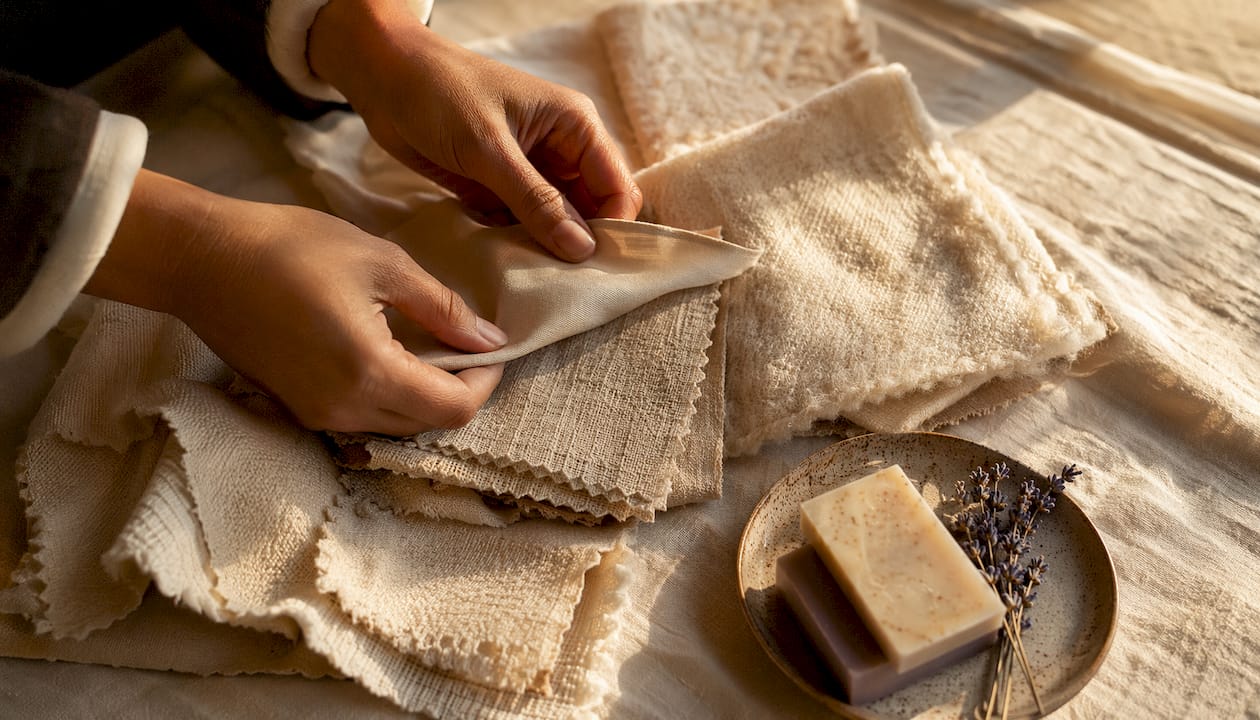
Natural fibers like wool and silk are the most sensitive. Wool felts under heat and agitation, while silk loses its luster when exposed to alkaline detergents or high temperatures. Linen is more durable but still prone to shrinkage in hot water. Cotton is the most forgiving of the natural fibers, though handmade cotton garments often carry natural dyes that are pH-sensitive and degrade when exposed to enzyme-based or alkaline cleaning products.
Blended fabrics add another layer of consideration. A cotton-silk blend, for example, requires you to follow the care rules for the most delicate fiber in the mix. Synthetic blends are generally more resilient, but handmade garments that combine synthetic threads with natural dyes still need gentle handling to protect the color.
Key fiber properties to know before washing or storing:
- Wool and cashmere: Felt easily; always hand wash in cold water with a wool-specific detergent
- Silk: Loses strength when wet; never wring or twist; avoid direct sunlight
- Cotton with natural dyes: Sensitive to pH; use mild liquid detergents only
- Linen: Prone to shrinkage in warm water; reshape while damp
- Blended fabrics: Follow the care rules for the most delicate fiber present
Understanding your fabric is the foundation of maintaining handmade clothing. When in doubt, treat every handmade piece as you would the most delicate fiber it contains.
How to wash handmade garments safely and effectively
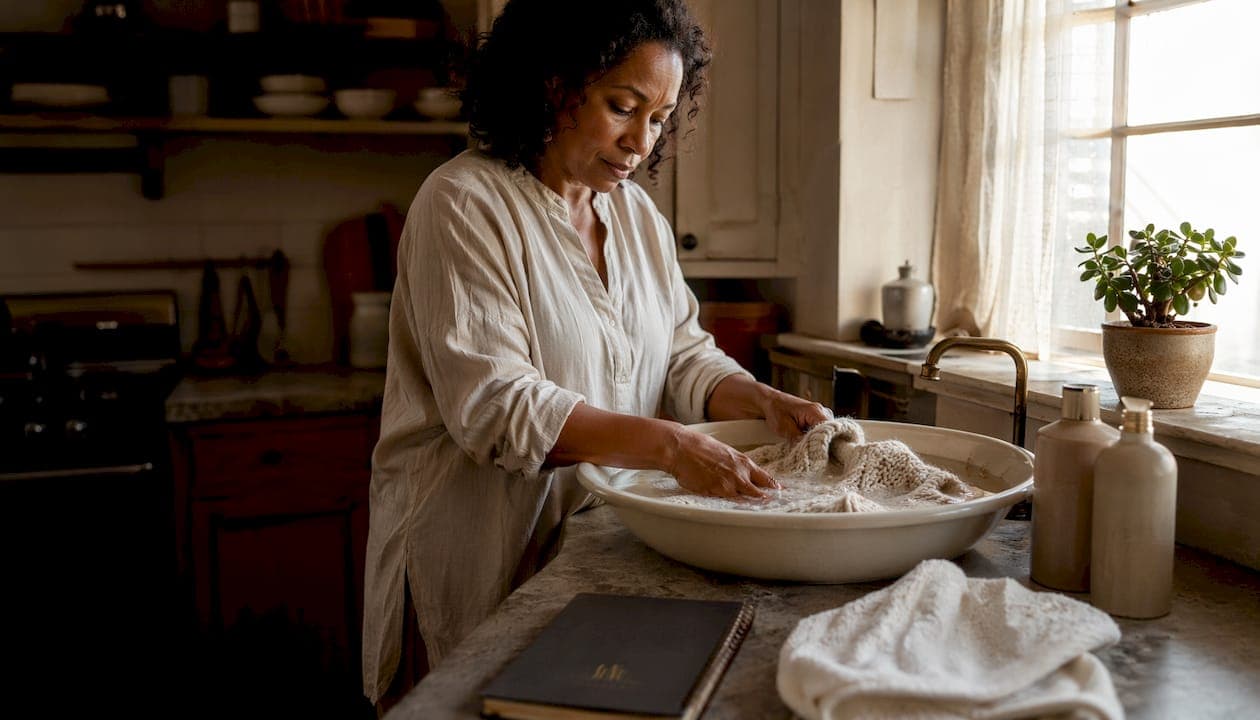
Hand washing is the safest method for cleaning handmade textiles. Machine washing causes uneven fading and stitch distortion in a single cycle, while hand washing with gentle agitation for 10–15 minutes keeps the fabric intact and the colors true.
Follow these steps for safe, effective washing:
- Fill a basin with cold water. Water temperature below 86°F (30°C) is the most critical factor in preserving handmade textiles. Cold water prevents dye release and shrinkage, especially during the first 2–3 washes.
- Add a pH-neutral detergent. Natural dyes lack synthetic binders and are sensitive to pH fluctuations. Biological enzymes and alkaline powders break down organic fibers and weaken dyes over time. Use a mild liquid detergent and avoid bleach entirely.
- Turn the garment inside out. This protects the outer surface from abrasion and slows color fading during washing.
- Submerge and agitate gently. Move the garment slowly through the water for 10–15 minutes. Do not scrub, twist, or bunch the fabric.
- Separate new garments for the first few washes. Dye bleeding is most common in the first 2–3 washes. Wash new pieces alone to prevent color transfer onto other clothing.
- Rinse thoroughly in cold water. Residual detergent weakens fibers over time. Rinse until the water runs clear.
- Press out water gently. Never wring a handmade garment. Instead, press the fabric against the basin wall or roll it in a clean towel to remove excess water without distorting the weave.
If machine washing is unavoidable, place the garment in a mesh laundry bag and select the delicate or hand-wash cycle with cold water. This reduces abrasion significantly, though it does not eliminate it.
For minor stains, spot cleaning with a damp cloth and a small amount of pH-neutral detergent is the best approach. Work from the outer edge of the stain inward to prevent spreading.
Pro Tip: Apply perfume and body spray before dressing, not after. Alcohol in fragrances acts as a solvent and can permanently lift dyes from handmade fabrics on contact.
What are the best drying techniques for handmade garments?
Drying is where most garment damage happens. Tumble drying and direct sunlight both cause irreversible harm: heat from dryers shrinks and distorts fibers, while UV rays fade dyes permanently. The correct approach is always shade drying with the garment properly supported.
Handwoven textiles should be blocked when drying on flat surfaces. Blocking means gently smoothing the garment into its original shape while wet, then leaving it to dry away from heat and sunlight. This restores dimensions and evens tension across the weave, preventing the distortion that gravity and heat cause.
Drying guidelines by garment type:
- Knitwear and handwoven pieces: Always dry flat on a clean towel or mesh drying rack. Hanging wet knitwear causes gravity to stretch the fabric out of shape permanently.
- Structured garments (jackets, sets): Use a padded or wooden hanger to maintain shoulder shape, but only after pressing out most of the moisture first.
- Lightweight dresses and blouses: Line dry in the shade, turned inside out, away from direct sunlight.
- Heavy textiles and quilts: Lay flat or drape over a clean surface in a well-ventilated area. Air them periodically rather than washing frequently.
- Silk pieces: Dry flat in the shade. Never use a hanger on wet silk, as the weight of the water will stretch the fabric at the shoulder seams.
Reshape every garment while it is still damp. Once fabric dries in a distorted position, restoring its original shape requires re-wetting and repeating the process. Taking two minutes to smooth and align seams before drying saves significant effort later.
How should you store handmade garments to preserve their quality?
Proper storage protects handmade garments from moisture, light, heat, and physical stress between wears. The wrong storage method causes mold, permanent creases, color fading, and fiber breakdown even when the garment is clean and unworn.
Breathable garment bags and acid-free tissue paper are the correct materials for long-term storage. Plastic bags trap moisture and create conditions for mold growth. Acid-free tissue prevents color transfer and cushions delicate embellishments.
Storage best practices for maintaining handmade clothing:
- Fold, do not hang, knitwear and heavy wovens. Gravity pulls heavy fabrics out of shape on hangers over time. Fold these pieces and store them flat.
- Use padded or wooden hangers for structured garments. Wire hangers create pressure points that distort shoulders and seams. Padded hangers distribute weight evenly.
- Store in a cool, dry, dark, and ventilated space. Heat accelerates fiber degradation. Light fades dyes. Humidity encourages mold. A closet away from exterior walls and windows is ideal.
- Avoid storing near perfumes or scented products. The alcohol in fragrances can migrate to nearby fabrics and lift dyes even without direct contact.
- Refold stored garments every few months. Permanent creases form along the same fold lines over time. Refolding along different lines distributes the stress and prevents lasting marks.
- Wrap delicate pieces in acid-free tissue. This is especially important for silk, hand-dyed fabrics, and garments with embroidery or beading.
What maintenance practices extend the life of handmade garments?
Routine maintenance keeps handmade garments looking their best between washes and repairs small issues before they become permanent damage. The two most important habits are washing less frequently and addressing wear promptly.
Overwashing handmade garments leads to premature aging. Airing garments between wears, rather than washing after every use, can extend garment life significantly. Hang the piece in a well-ventilated area for a few hours after wearing to release odors and moisture naturally.
For ironing and pressing, follow these steps:
- Check the fabric before applying heat. Silk and delicate embellishments should never be ironed directly. Use a press cloth between the iron and the fabric on all handmade pieces.
- Iron on the reverse side at low to medium heat. Pressing with a cloth on the reverse side at medium heat prevents shine marks and fabric distortion.
- Use steam carefully. Steam is effective for removing wrinkles from most fabrics, but it can water-spot silk. Test on an inconspicuous area first.
- Let the garment cool on the board before moving it. Moving a hot garment immediately after pressing can reset wrinkles and distort the fabric while it is still pliable from heat.
- Repair loose threads, missing buttons, and small tears promptly. A loose thread left unattended unravels quickly. A small tear doubles in size with one wear. Addressing these issues immediately costs minutes; ignoring them costs the garment.
Pro Tip: Reduce how often you wash handmade pieces by airing them between wears. This single habit preserves fiber strength and color vibrancy more than any detergent choice.
Key Takeaways
Caring for handmade garments requires cold-water washing, shade drying, breathable storage, and prompt repair to preserve both fiber integrity and artisan craftsmanship for years.
| Point | Details |
|---|---|
| Wash in cold water | Keep water below 86°F to prevent dye bleeding and shrinkage, especially in the first 2–3 washes. |
| Use pH-neutral detergent | Natural dyes degrade with alkaline or enzyme-based products; mild liquid detergents protect color and fiber. |
| Dry flat in the shade | Avoid tumble dryers and direct sunlight; block handwoven pieces into shape while still damp. |
| Store in breathable materials | Use cotton garment bags or acid-free tissue paper; avoid plastic and keep garments away from heat and light. |
| Wash less, air more | Airing between wears reduces fiber stress and extends garment life beyond what frequent washing allows. |
Why caring for handmade garments is an act of respect
I have always believed that the moment you bring a handmade garment into your life, you become part of its story. The artisan who cut, dyed, wove, or stitched that piece put real time and intention into every detail. How you care for it either honors that work or undoes it.
What most people miss is that caring for handmade clothes is an extension of the creative process itself. It is not just maintenance. It is a continuation of the artisan's intent. When you wash gently, dry carefully, and store thoughtfully, you are making a choice to preserve something that cannot be mass-produced or replaced.
There is also a sustainability dimension that I find deeply compelling. A handmade garment cared for properly lasts decades. One treated carelessly is landfill within a few years. The most sustainable garment you own is the one you keep. Learning to care for African fabrics and artisan textiles is one of the most concrete ways to practice ethical consumption.
My advice is to build a care routine and make it a ritual, not a chore. Check your garments after each wear. Air them before storing. Wash only when necessary. Repair small damage immediately. These habits take almost no time, and they keep the legacy of skilled craftsmanship alive in your wardrobe for years.
— Sena
Handmade style worth protecting, from Senanukunu
Every piece at Senanukunu is crafted with the same care and cultural pride that this guide asks you to bring to your wardrobe. These are not fast-fashion items. They are limited-quantity, artisan-made garments rooted in West African heritage, designed to be worn with confidence and kept for years.

When you invest in a piece from Senanukunu's collection, you are choosing craftsmanship over convenience and longevity over disposability. Senanukunu also offers design and care resources to help you get the most from every garment. Explore the full collection and find a piece worth caring for, one that carries a story as vibrant as the fabric itself.
FAQ
What is the safest way to wash handmade garments?
Hand washing in cold water below 86°F with a pH-neutral liquid detergent is the safest method. Gentle agitation for 10–15 minutes cleans the fabric without causing the fading or stitch distortion that machine washing produces.
Can I put handmade garments in the dryer?
No. Tumble drying causes shrinkage, color fading, and fiber distortion that cannot be reversed. Always dry handmade garments flat in the shade or on a padded hanger away from direct sunlight and heat sources.
How do I store handmade garments long-term?
Store them in breathable cotton garment bags or wrapped in acid-free tissue paper in a cool, dark, ventilated space. Avoid plastic bags, which trap moisture and promote mold growth.
How often should I wash handmade clothing?
Wash only when necessary. Airing garments between wears removes odors and moisture without the fiber stress that washing causes. Reducing wash frequency is one of the most effective ways to extend garment life.
Why do natural dyes require special detergents?
Natural dyes lack the synthetic binders found in commercial dyes, making them sensitive to pH changes. Alkaline or enzyme-based detergents break down the dye molecules over time, causing gradual fading and fiber weakening.