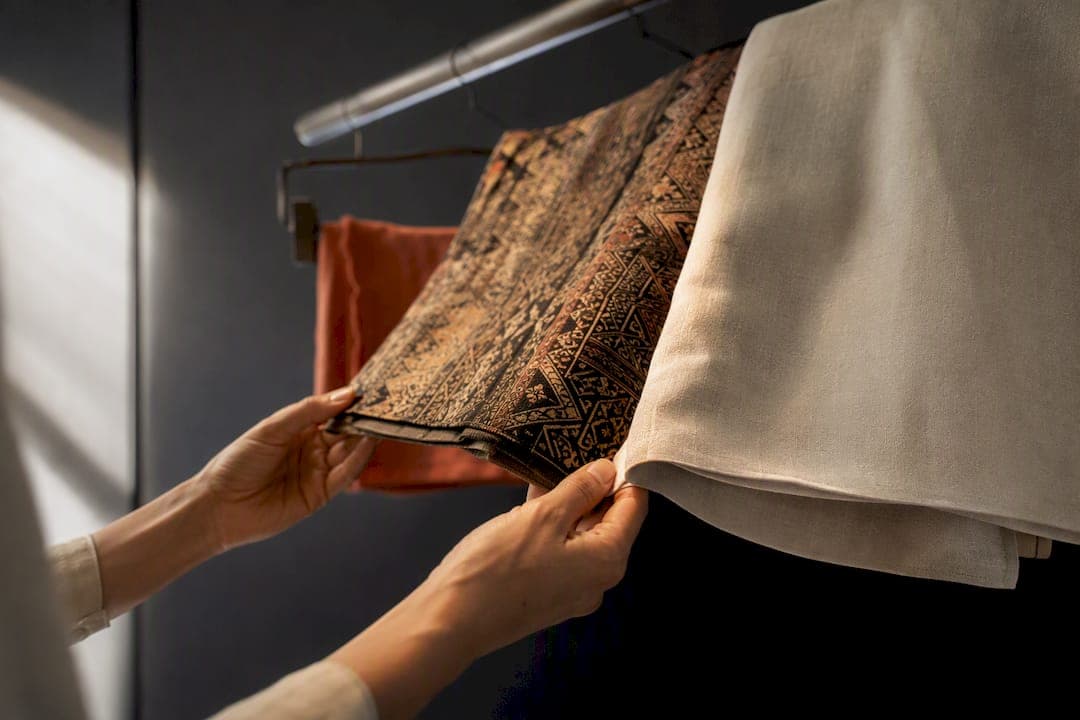
The strongest senewear alternatives fall into five practical categories: heritage ready-to-wear, made-to-order and custom pieces, vintage and upcycled finds, small-batch artisan labels, and rental or borrow services. For most ethically conscious shoppers, a curated ready-to-wear platform built on artisan partnerships and limited runs, like Sena Nukunu, offers the best blend of authenticity, ethical sourcing, and everyday wearability.
TL;DR:
- Authenticity depends on clear maker attribution, specific artisan details, and traceable fabric origins, not vague "inspired" claims or generic images.
- Ready-to-wear pieces built on artisan partnerships offer quick delivery and genuine cultural connection, unlike traditional custom options that take months.
- Digital fit technology and guaranteed alterations reduce waste by ensuring proper fit and extending the longevity of purchased garments.
- Limited production and transparent sourcing help prevent overproduction and support sustainable, ethical craft practices.
- Sena Nukunu combines ready-to-wear convenience with direct artisan support, making it a trustworthy choice for authentic, long-lasting senewear.
Table of Contents
- Categories of Senewear Alternatives and Who Each Suits
- How to Verify Cultural Authenticity and Ethical Practice
- Fit, Sizing, and Longevity: Choosing Pieces That Last
- Where to Find Authentic Alternatives: A Shopping Checklist
- Why Sena Nukunu Fits This Ethical Shopping Standard
- An Honest Opinion on Chasing "Authentic" Fashion
- Shop the Alternative That Actually Delivers on Its Promises
- Sources
- FAQ
Categories of Senewear Alternatives and Who Each Suits
Every alternative to conventional senewear serves a different shopper, a different timeline, and a different relationship to the craft behind the garment. Understanding the categories first keeps you from buying the wrong thing for the wrong occasion, whether that's a wedding next month or a wardrobe rebuild that can wait.
Heritage ready-to-wear brands ship curated collections built around West African silhouettes, prints, and construction techniques, usually with quick turnaround since pieces are already made. Made-to-order and custom options fit shoppers who want a specific fit or fabric and can wait a bit longer. Custom brands increasingly use digital fit workflows to shorten that wait, with some delivering finished garments in one to three weeks instead of the months bespoke tailoring once required.
Vintage and upcycled pieces suit shoppers who prioritize sustainability above all else and don't mind a longer search for the right find. Small-batch artisan labels work well for anyone who wants a direct line to the maker and is comfortable with limited stock and occasional waitlists. Rental or borrow services fit one-time events like weddings or festivals where owning the piece isn't the point.
Authenticity shows up differently in each lane:
- Heritage ready-to-wear brands typically name the designer's cultural background and describe the region or technique behind a print.
- Custom labels often publish the artisan's name alongside the pattern or embroidery style used.
- Vintage sellers should date the piece and, where possible, note its origin.
- Small-batch labels tend to lean hardest into maker stories, since that direct relationship is their whole value proposition.
How to Verify Cultural Authenticity and Ethical Practice
Plenty of brands use the word "inspired" the way other brands use "natural." It sounds meaningful and commits to nothing. Before you trust a claim of heritage or ethical production, run it through a short checklist.
- Check for designer or descent disclosure. A brand rooted in West African fashion should say so plainly, not hint at it through mood-board language.
- Look for artisan credits. Named makers, workshop locations, or craft techniques (wax-print dyeing, hand embroidery, specific weaving methods) signal a real supply chain.
- Ask for production photos. Real workshops, real hands, real fabric bolts. Stock imagery of generic "African prints" is a warning sign.
- Confirm fiber origin. Cotton, wax print, kente cloth, and bogolan all have traceable origins; a brand that can't name its fabric source usually hasn't checked either.
- Note whether runs are limited. Limited-quantity or made-to-order production usually means less overproduction and a tighter relationship with the maker.
The clearest shopper-facing signal of authenticity is transparent maker attribution paired with a linked artisan story on the product page itself, not buried in an "About Us" page you have to go hunting for.
Pro Tip: If a product page can't answer "who made this and where," treat every other claim on that page with suspicion. Authenticity that's real is usually easy to document.
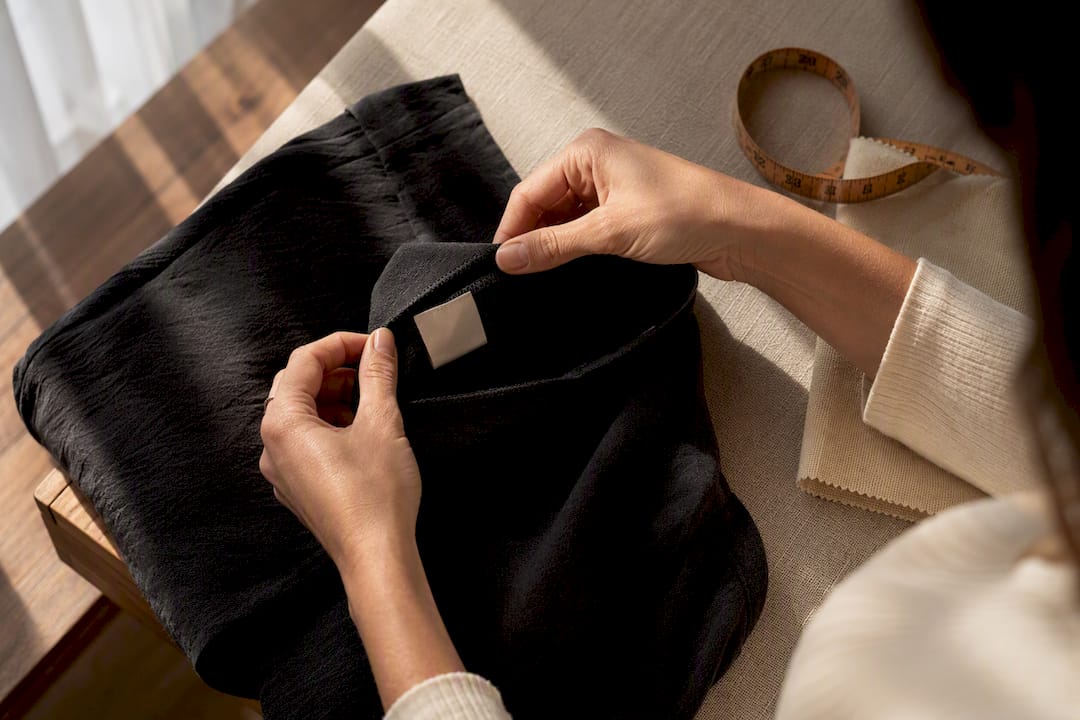
Red flags worth walking away from: vague "inspired by" copy with no named designer, zero maker attribution anywhere on the site, and product photography that looks licensed rather than shot in-house. Trust signals worth rewarding: published sourcing details, a stated fit guarantee, and explicit language about artisan partnerships.
Fit, Sizing, and Longevity: Choosing Pieces That Last
A garment that doesn't fit gets worn twice and donated. That's the quiet waste problem behind most fashion purchases, and it's especially costly with statement pieces that carry real craftsmanship and cost.
Digital fit technology has changed what's realistic here. Open, modular measurement platforms and virtual try-on tools are expanding rapidly, and some of that innovation traces back to open-source wearable projects that publish their design files and SDKs for anyone to build on. The practical result: brands can offer better fit prediction without months of back-and-forth.
Your sizing options generally break down into:
- Standard size charts for fast-shipping ready-to-wear, best when you already know your measurements against that brand's chart.
- Digital fit profiles that use your measurements to predict fit before you order.
- Made-to-measure production, where the garment is cut to your specific numbers.
- Local tailoring as a finishing step after purchase, especially for structural pieces like agbada sets.
Fit guarantees matter more than most shoppers realize. Brands offering unlimited alterations or remakes turn a risky purchase into a long-term wardrobe piece instead of a donation-bin candidate. Before buying, ask any seller three questions: What's your return window? Do you offer remakes if the fit is off? Can I get a repair or alteration later if the piece needs adjusting for a different occasion?
Where to Find Authentic Alternatives: A Shopping Checklist
Search channels matter as much as search terms. Curated boutiques and direct-to-designer shops tend to surface authenticity details that broader marketplaces bury under filters built for volume, not story. Artisan marketplaces and vintage sellers reward patience and a willingness to read the full product description instead of skimming thumbnails.
Use this sequence before you check out:
- Verify provenance. Confirm the designer's connection to the tradition the piece draws from.
- Check materials. Look for named fiber content and, where listed, its origin.
- Confirm the fit policy. Know the return, remake, or alteration terms before you buy, not after.
- Ask about artisan relationships. A brand should be able to describe, specifically, who made the piece.
- Prioritize made-to-order when timing allows. It reduces overproduction and usually gets you a better fit.
Product pages that pass this test tend to include maker photos, a named artisan or workshop, and specific fabric details instead of generic marketing language.
Why Sena Nukunu Fits This Ethical Shopping Standard
Everything in this guide points toward the same conclusion: authenticity and longevity come from transparency, not marketing copy. That standard is what Senanukunu was built around from the start.
- Curated, ready-to-ship West African ready-to-wear, so you're not choosing between authenticity and convenience.
- Direct support for the artisans behind each collection, not an anonymous supply chain.
- Manufacturing practices built into the production model, not added as an afterthought.
- Limited-quantity pieces, which mirrors the small-batch, low-overproduction approach the checklist above recommends.
If you're preparing to order a custom or made-to-measure piece, our measurement guide walks through the four measurements every custom dress starts with, so your first order fits the first time.
An Honest Opinion on Chasing "Authentic" Fashion
Most guides to ethical fashion treat authenticity as a checkbox. Does the brand say "sustainable"? Does it use the word "heritage"? Check the box, buy the dress, move on. That approach misses the point entirely.
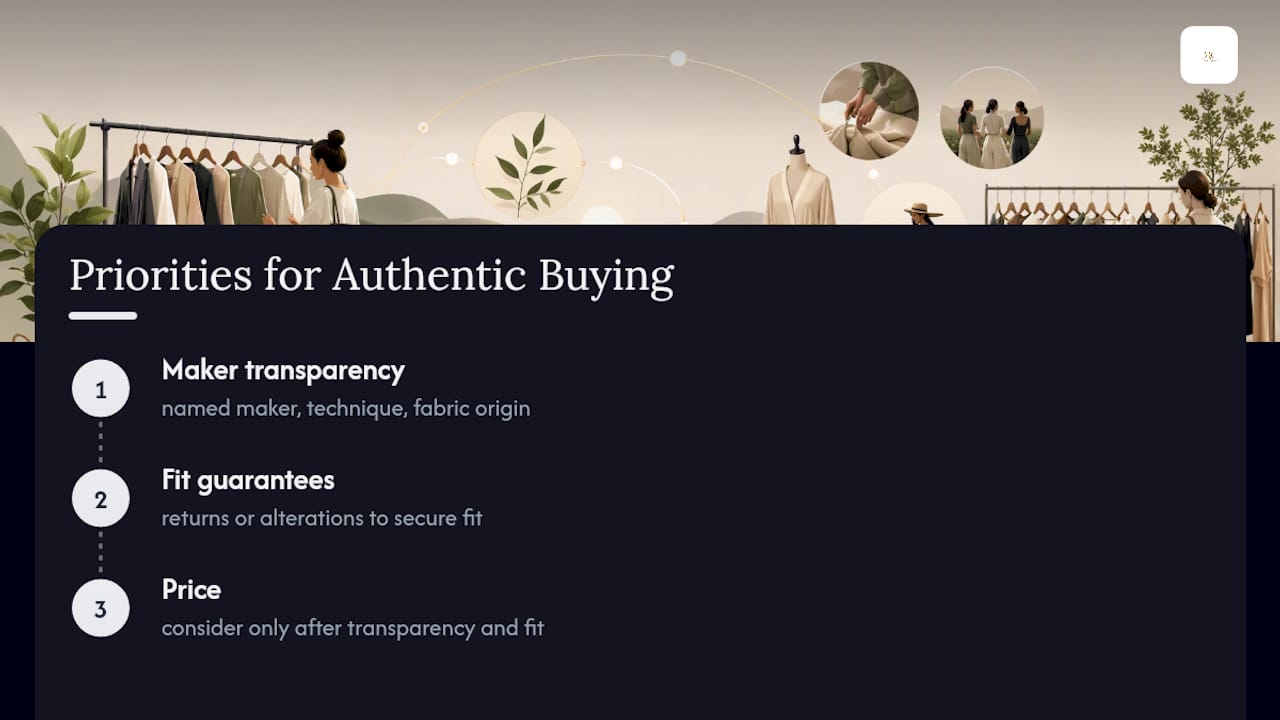
Authenticity isn't a label. It's a chain you can actually trace: a named maker, a specific technique, a fabric with a known origin, a brand willing to tell you who benefits from your purchase. Any brand that can't answer those questions directly is asking you to take authenticity on faith, and faith isn't a sourcing standard.
Here's what the conventional advice gets backwards: it treats "affordable" and "authentic" as opposites, pushing shoppers toward either fast fashion or expensive bespoke tailoring with nothing in between. The real opportunity sits in curated, limited-run ready-to-wear that keeps artisan relationships intact without demanding a custom-tailoring budget or a three-month wait. Prioritize maker transparency first. Fit guarantees second. Price last. Get that order right, and the rest of the decision gets easy.
— Sena
Shop the Alternative That Actually Delivers on Its Promises
Senanukunu is the alternative to fast fashion and vague "heritage-inspired" labels: every piece ships ready to wear, in limited quantities, with the artisan relationship behind it stated plainly instead of implied. You get the authenticity of a small-batch label with the convenience of ready-to-wear, no months-long custom wait required.
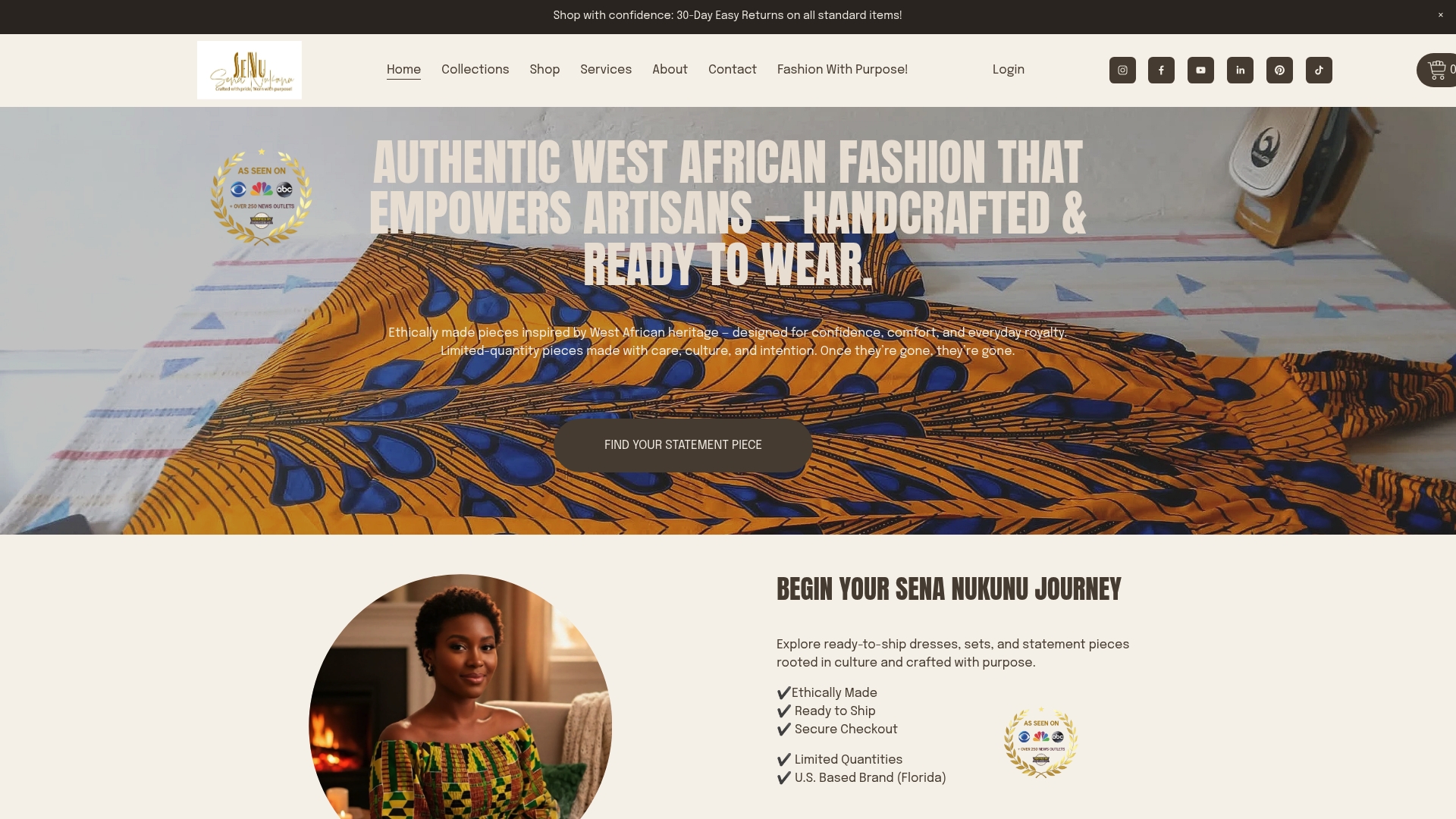
If you've read this far because you want a dress, kaftan, or agbada set that actually holds up to the checklist above, start with our ready-to-wear dress collection and look for the maker notes on each product page. Curious what a fully documented product page looks like in practice? The Solara Tide midi dress shows the kind of materials and story detail this guide recommends you look for everywhere you shop.
Sources
- Move Over Theory: This Los Angeles Brand Is Redefining Custom Women’s Suits — Forbes
- SensWear wearable dev kit — Crowd Supply
FAQ
What makes a senewear alternative "ethical" rather than just marketing?
Look for named artisans, disclosed fiber origin, and limited production runs. Vague "inspired by" language with no maker attribution is a sign the ethical claim isn't backed up.
How long does a made-to-order alternative usually take?
Custom garments built with digital fit workflows can ship in one to three weeks, far faster than traditional bespoke tailoring timelines.
Is rental a good option for cultural celebration wear?
Rental works well for one-time events where you don't need long-term ownership, but it won't build the artisan relationship or wardrobe longevity that ready-to-wear or custom pieces offer.
Does Sena Nukunu offer fit guidance for custom orders?
Yes. Sena Nukunu publishes a measurement guide covering the core measurements needed for an accurate custom fit.
What should I ask a seller before buying a "heritage" piece?
Ask who made it, where the fabric came from, whether the run is limited, and what happens if the fit is wrong. A seller who can answer all four confidently is worth your trust.