Most kaftan dresses sold in the United States fall into three clear price bands: budget pieces run $50 to $150, mid-range ready-to-wear lands between $150 and $500, and luxury or custom kaftans start at $500 and climb from there. For everyday wear and beach trips, budget works fine. For weddings, milestone events, or a piece you want to wear for a decade, mid-range to luxury delivers the craftsmanship worth paying for. This brand sits squarely in that better-made tier, with artisan detailing you can actually see and touch.
TL;DR:
- Budget kaftans ($50–$150) are typically made from cotton or rayon with minimal embellishment, suitable for casual wear or beach days.
- Mid-range kaftans ($150–$500) often feature higher-quality fabrics, partial hand embroidery, and more detailed trims, ideal for special occasions.
- Luxury kaftans ($500 and up) are handmade with intricate embroidery and custom tailoring, representing hours of skilled labor from artisan designers.
- Fabric choice, handwork versus machine embroidery, and construction details like seam finishing are the main factors that significantly influence price differences.
- Shopping from official designer sites or artisan boutiques adds cost but ensures authenticity, craftsmanship, and fair labor practices, unlike fast-fashion or large marketplaces.
Table of Contents
- Understanding the Kaftan Dress Price Range
- What Actually Drives Kaftan Gown Pricing
- Where to Buy Kaftan Dresses and What to Expect by Channel
- How to Evaluate Real Value Before You Buy
- Smart Ways to Shop for Kaftans on a Budget
- The Hidden Costs That Add Up Over Time
- Why Sena Nukunu Is Worth Your Attention
- Investing in One Statement Piece vs. Several Basics
- Shop Sena Nukunu's Kaftan Collection
- Sources
Understanding the Kaftan Dress Price Range
The three-tier framework used across the resale and boutique world (originally mapped out for Moroccan caftans, but true across the category) gives U.S. shoppers a fast way to calibrate expectations before they click "add to cart." Once you know which band a kaftan lives in, you know roughly what to expect from the fabric, the stitching, and how long the piece will hold up.
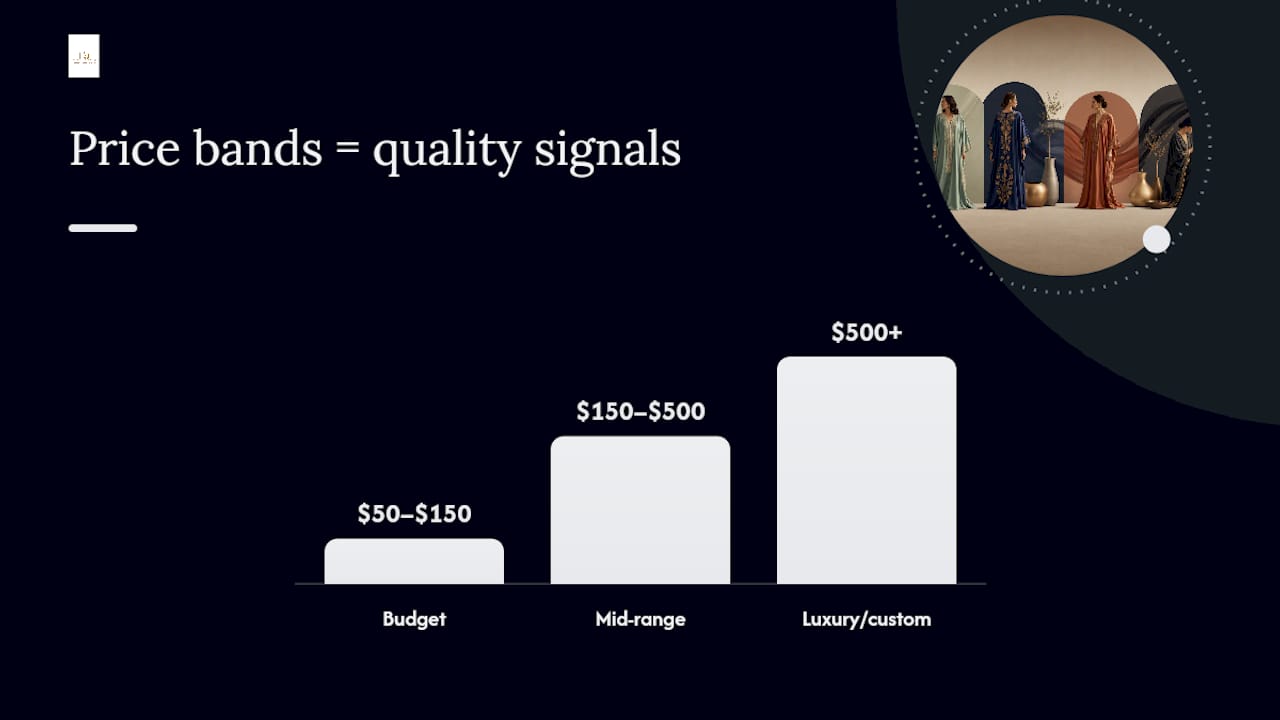
Budget kaftans ($50–$150) are usually made from cotton, cotton blends, or rayon, cut simply with minimal embellishment. Club Moda, a U.S. boutique, sells a 100% cotton kaftan dress around $72, which is a solid benchmark for this tier. At this price, you're paying mostly for fabric and basic construction, not hand labor. These pieces work well for pool days, casual summer outings, or a first kaftan you're not fully committed to yet.
Mid-range kaftans ($150–$500) step up in fabric quality and start introducing real craftsmanship. Banana Republic lists lightweight cotton kaftan maxi dresses between $129.99 and $198.00, which sits at the lower edge of this band and shows what mainstream American retailers charge for a well-cut, better-fabric option. Move higher in this range and you'll find partial hand embroidery, tassel or trim detailing, and linings that budget pieces skip entirely. This is where a kaftan starts to feel special rather than simply comfortable.
Luxury and custom kaftans ($500 and up) bring hand embroidery, couture-level fitting, and often limited production runs. Independent designer boutiques illustrate this clearly: MAARA Collective lists a one-shoulder kaftan dress around $433, and fully hand-beaded or embroidered pieces from artisan-focused labels regularly clear $500 to $800 or more. At this level, you're not just buying fabric and a silhouette. You're buying hours of skilled hand labor that machines simply cannot replicate.
Here's how those three bands stack up against real U.S. retail examples:
A few things worth flagging as you compare listings:
- Fabric weight and hand tell you more than the product photo does. Ask for close-up shots if they're not already posted.
- A kaftan's silhouette (loose vs. fitted through the shoulders) doesn't necessarily track with price. Fit is a design choice, not a quality marker.
- Two dresses that look nearly identical online can be $80 apart because of thread count, lining, or where the embroidery was done.
What Actually Drives Kaftan Gown Pricing
Fabric is the first and most visible cost driver. Chiffon and lightweight cotton sit at the affordable end because they're easy to source and machine-sew. Silk costs significantly more per yard, drapes differently, and often needs hand-finished seams to avoid fraying. Brocade, the heavier jacquard-woven fabric often used in ceremonial or special-occasion kaftans, costs more still because the weaving process itself is more complex, not just the raw material.
Handwork versus machine work is the second, and often bigger, factor. A machine-embroidered motif might take fifteen minutes to stitch. The same design done by hand can take an artisan several hours, sometimes spread across multiple days for elaborate beadwork or metallic thread embroidery. That labor gets built into the final price, and it's the single biggest reason two visually similar kaftans can differ by hundreds of dollars.
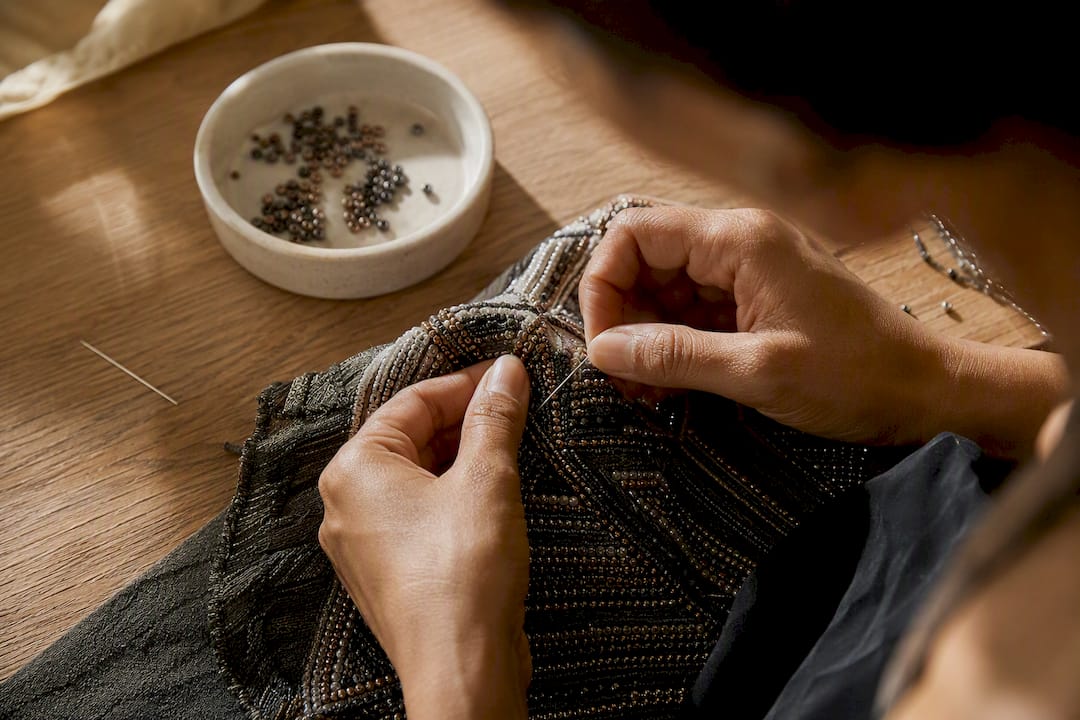
Construction details matter more than most shoppers realize. French seams, properly finished hems, and pattern-matched embroidery at the seams all take extra time and extra skill, and they're also the details that determine whether a kaftan survives five wears or fifty. A dress with raw or serged interior seams will fray and fall apart faster, no matter how good it looks on the hanger.
Brand and scarcity add a final layer on top of materials and labor. A limited-run piece from an independent designer or a heritage-focused label often costs more simply because only a small number exist, and the brand's name or story carries its own value. This isn't padding. Sourcing relationships with skilled artisans, ethical production standards, and small-batch runs all cost more to maintain than mass manufacturing does.
Before you buy, run through this quick mental checklist:
- What's the fabric composition, and does it match the price point?
- Is the embellishment hand-applied or machine-stitched? (Look closely at photos for irregular spacing, which usually signals handwork.)
- Are seams finished cleanly on the inside, not just the outside?
- Is this a limited run, or a piece the brand restocks constantly?
Pro Tip: Zoom into product photos before buying online. Hand embroidery has small, natural inconsistencies in stitch spacing and thread tension. Machine work looks uniform and almost too perfect. That single detail tells you more about where your money is going than any marketing copy will.
Where to Buy Kaftan Dresses and What to Expect by Channel
Where you shop shapes the price as much as the garment itself does. Here's how the main channels break down for U.S. buyers:
- Mass retailers and fast-fashion sites. These offer the lowest prices, often under $100, but quality varies wildly. Watch for thin fabric, glued rather than sewn embellishments, and sizing that runs inconsistent across styles.
- Boutique designers and specialty U.S. stores. Expect $150 to $500 for genuinely well-made pieces with better fabric and more attention to fit. This tier rewards shoppers who read product descriptions closely rather than just scrolling photos.
- Direct-from-designer and artisan sellers. This channel gives you custom sizing, authentic craftsmanship, and direct traceability to who made your garment. It also tends to sit at the higher end, often $300 and up, and international designer sites frequently note that listed prices exclude U.S. import duty and taxes, which buyers only discover at checkout or delivery.
- Large marketplaces like Amazon or Etsy. Search results return thousands of kaftan-style listings on Amazon with an enormous price spread, from under $30 to several hundred dollars. The sheer volume means quality control falls entirely on you. Check seller ratings, read the material description twice, and look for actual customer photos before trusting the product shots.
- U.S.-based ethical and heritage-focused brands. These sit in the mid-to-luxury range but keep the full supply chain domestic or transparent, which cuts down on the duty surprises that come with overseas designer orders.
If you're ordering from outside the U.S., budget for import duty, brokerage fees, and sometimes state sales tax added at delivery. A $300 kaftan can land closer to $350 once those extras hit, so factor that into your comparison shopping rather than comparing sticker prices alone.
How to Evaluate Real Value Before You Buy
A high price tag doesn't automatically mean high quality, and a low one doesn't always mean corners were cut. The details tell the real story.
Start with fabric composition, listed in the product description. "100% silk" and "silk blend" are not the same garment, even if they look identical in a thumbnail photo. Check the seam and hem finish next. Photos that show the inside of the garment, even a partial glimpse, reveal whether the seams are bound, serged, or left raw. Look closely at how embellishments are attached. Hand-sewn beads and sequins sit slightly irregular and catch light differently than glued-on trim, which often looks uniformly flat and can start shedding after a few wears.
Lining matters more than shoppers expect, especially for silk or chiffon kaftans, since an unlined sheer piece will need a slip underneath and may not hold its shape as well over time. Pattern matching at the seams, where an embroidered motif lines up cleanly across a shoulder seam or side seam, is a small detail that separates careful construction from rushed production.
Before you buy, it's worth messaging the seller directly with a few questions:
- Where is this piece made, and by whom?
- Is this hand-embellished, machine-embellished, or a mix?
- What's the recommended cleaning method?
- What's the expected lead time if this is a made-to-order piece?
Pro Tip: Treat the return policy as part of the price, not an afterthought. A $400 kaftan with no returns is a bigger risk than a $250 kaftan with a 30-day window, even though the second one costs less upfront. Factor return flexibility into your value comparison the same way you'd factor in fabric or embroidery.
If a resource like Sena Nukunu's guide to handcrafted dress qualities is available, use it to sharpen your eye for these details before you shop, not after you've already committed.
Smart Ways to Shop for Kaftans on a Budget
Timing and search strategy save real money without sacrificing quality.
- Shop end-of-season sales. Late summer and post-holiday clearance windows (typically late August and early January in the U.S. retail calendar) are when boutique and department store kaftans get marked down 30 to 50 percent.
- Watch for restock announcements. Small and independent brands often sell out fast, then restock in limited batches. Following a brand's email list or social account catches these windows before they close.
- Refine your search terms. Searching "cotton kaftan dress" versus just "kaftan" filters out a lot of low-quality synthetic options on large marketplaces.
- Accept machine embellishment for casual pieces, avoid it for statement pieces. A beach cover-up doesn't need hand beading. A wedding-guest kaftan probably should have it.
- Calculate total landed cost before comparing prices. Add shipping and factor in the hassle of a potential return before deciding a cheaper listing is actually the better deal.
The Hidden Costs That Add Up Over Time
The sticker price is just the starting point. Embellished or silk kaftans typically need dry cleaning rather than home washing, and delicate hand-beaded pieces sometimes call for specialty cleaners familiar with embroidery, which costs more than a standard dry-clean visit. Product pages for designer silk kaftans, like those noting dry-clean-only care instructions, flag this upfront, and it's worth reading before you buy, not after the first spill.
Repairs are another real possibility for heavily embellished pieces. Loose beads, snagged embroidery thread, or a popped seam on a couture kaftan can mean a trip to a specialty tailor, since most dry cleaners won't touch delicate beadwork repair.
A few habits protect your investment:
- Store silk and embellished kaftans on padded hangers, away from direct sunlight, to prevent fabric stress and color fading.
- Fold heavily beaded pieces flat in acid-free tissue rather than hanging them, which prevents stretching at the shoulders.
- Add estimated cleaning and repair costs to your mental purchase price before buying, especially for anything over $300.
That $500 luxury kaftan might really cost you closer to $550 to $600 over its lifetime once cleaning and occasional repair are factored in. That's not a reason to skip it. It's a reason to budget honestly.
Why Sena Nukunu Is Worth Your Attention
This label is built around authentic West African design, ethical production, and small-batch craftsmanship rather than mass output. Every piece reflects a commitment to the artisans behind it, not just the finished silhouette.
- Limited-quantity production means you're getting a piece made with intention, not pulled from an endless assembly line.
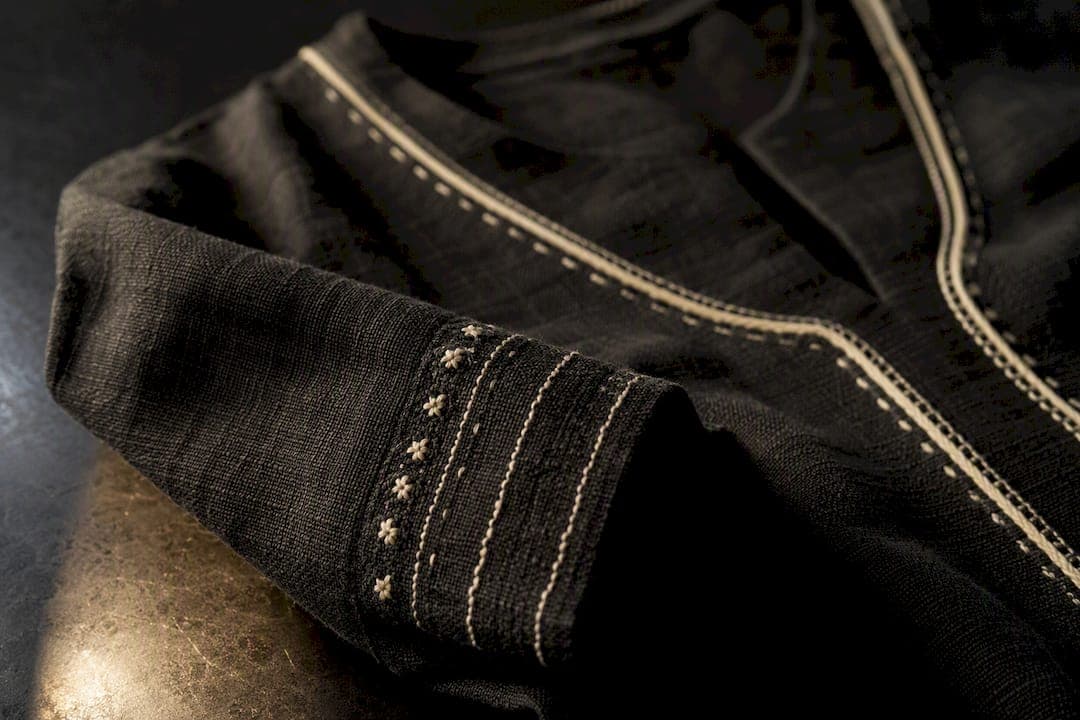
- Hand-finished detail work shows up clearly on pieces like the Nyame Nti embroidered kaftan, where the embroidery itself tells a story rooted in West African heritage.
- Ethical sourcing and manufacturing underpin every listing, so the price you pay reflects fair labor practices, not just fabric cost.
For shoppers who've read this far and want to see craftsmanship standards in action, that embroidered kaftan is a genuinely useful reference point for what "worth the price" actually looks like up close.
Investing in One Statement Piece vs. Several Basics
I've come to believe the real question isn't "how much should a kaftan cost?" It's "what am I actually buying?" A cheap kaftan and a hand-embroidered one might look similar in a thumbnail, but they're not the same category of object. One is a garment. The other is closer to wearable art, built on hours of labor that no machine can shortcut.
My rule: buy one artisan-made statement piece a year rather than four forgettable ones. You'll wear the good one longer, feel better in it, and actually remember where it came from.
— Sena
Shop Sena Nukunu's Kaftan Collection
The brand carries ready-to-ship kaftans, embellished statement pieces, and custom options, each rooted in authentic West African design and made in limited quantities to avoid mass production. Many pieces ship from within the U.S., which may help avoid surprise import duty at delivery.
Browse the full dress collection to see current ready-to-wear options, or check the latest arrivals if you want first access to limited drops before they sell out. For a look at higher-end styling, the Midnight Prestige kaftan three-piece set shows what a fully realized statement look from the brand can offer.
| Product Type | What You Get | Starting Price Cue |
|---|---|---|
| Ready-to-ship kaftan | Curated design, quick shipping, limited quantity | Budget to mid-range |
| Embellished statement piece | Hand-applied detailing, standout silhouette | Mid-range to luxury |
| Custom kaftan or set | Personalized fit, artisan collaboration | Luxury |
Head to Sena Nukunu to browse the current collection and find the piece that fits your next occasion, your budget, and your appreciation for craftsmanship that actually shows in the stitching.
Sources
- Moroccan Caftan Prices: What You Should Know
- Lightweight Cotton Kaftan Maxi Dress | Banana Republic
- Turquoise Silk Bloused Kaftan Dress – Lindsey Brown