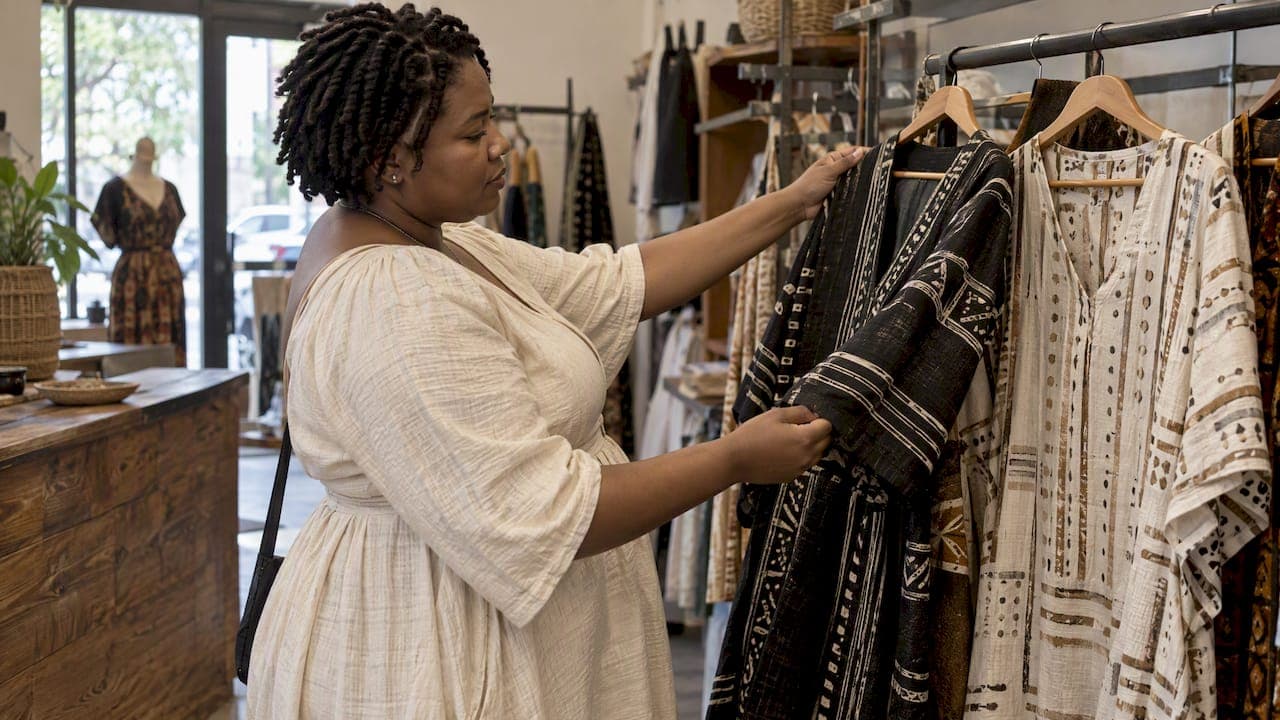
The strongest alternatives to AceKouture fall into four routes: curated West African boutiques, bespoke tailors, mainstream designers working with African prints, and resale or vintage sources. Among curated options, we recommend exploring Sena Nukunu for ready-to-wear dresses, sets, and statement pieces rooted in authentic craftsmanship. Start by browsing our collections or working through the evaluation checklist below to find pieces that match your style and values.
TL;DR:
- For an event with a fixed date, choose a curated boutique with ready to ship stock; bespoke commissions need several weeks of planning and detailed measurements.
- Before buying, compare seller measurements with your own, inspect seams and lining, verify fabric origin, and ask who made the garment and under what conditions.
- Mainstream designers offer faster delivery and broader sizing, but African prints alone do not ensure West African sourcing or traditional construction details.
- Resale and vintage can cost less, but inspect wear, stitching, and alterations closely because condition varies and return options may be limited or unavailable.
- Before ordering, read the return policy, ask a sizing question, and check whether sold out items qualify for exchanges or store credit.
Table of Contents
- How to evaluate any AceKouture-style alternative
- Alternatives by category: what each option offers
- Why Sena Nukunu stands out as a direct alternative
- Checking return policies and customer service before you buy
- Shopping with intention for culturally inspired fashion
- Shop Sena Nukunu: curated collections and how to buy
- FAQ
- Authoritative links and resources to explore
- Sources
How to evaluate any AceKouture-style alternative
Finding a piece that looks the part is easy. Finding one that fits well, holds up over time, and reflects real artisanship takes a sharper eye. Before you add anything to your cart, run it through a few checks that separate thoughtful craftsmanship from a quick knockoff.
Start with sizing. A trustworthy seller publishes a detailed measurement chart, not just small, medium, and large. Look for the model's height and size alongside the garment she's wearing, and never hesitate to message a seller directly for bust, waist, and length measurements, or to ask about their alterations policy if something arrives slightly off.
Fabric and construction tell you almost everything else. Heavier, densely woven cotton or wax print fabric tends to hold color and shape far better than thin, printed polyester. Check product photos for clean, finished seams, a proper lining in structured pieces like agbada sets, and stitch work that looks deliberate rather than rushed.
Authenticity shows up in the language sellers use. A brand proud of its origins will tell you where a print comes from, which region or community informed a silhouette, and how a piece was constructed. Vague phrases like "African inspired" with no further detail are a signal to dig deeper or ask directly.
Ethical claims deserve the same scrutiny. Before you buy, it's worth asking a few direct questions:
- Who made this piece, and under what working conditions?
- Is this a limited run, and what happens to unsold inventory?
- What materials are used, and are they sourced responsibly?
Price should track with craftsmanship, not just branding. A hand-finished agbada set with lined fabric and intricate embroidery justifies a higher price than a mass-produced print dress, and understanding that difference helps you spend with intention rather than guesswork.
Pro Tip: Save screenshots of measurement charts and seller responses before you buy. They make returns or alteration requests far smoother if sizing runs differently than expected.
Keep a short checklist handy as you shop: confirm measurements against your own body, ask about fabric content and weight, look for finished seams and lining, read the provenance story in the description, and ask about artisan pay or production scale before committing to a purchase.
Alternatives by category: what each option offers
Not every shopping route suits every buyer. Your budget, timeline, and how closely you want to match a specific AceKouture silhouette will point you toward one of four paths.
- Curated West African boutiques carry ready-to-ship dresses, agbada ensembles, and statement sets sourced from or inspired by West African design traditions. These tend to offer the closest match to AceKouture's aesthetic because the pieces are built around the same heritage prints, silhouettes, and construction techniques. The trade-off is availability: limited-quantity runs sell out, so timing your purchase matters.
- Bespoke tailors and made-to-measure makers let you commission a piece built to your exact measurements and color preferences. This route pays off when you need a specific fit for an event like a wedding or milestone celebration, and when you're willing to plan several weeks ahead. Expect to provide detailed measurements upfront and to communicate clearly about fabric choice, since custom work lives or dies on that initial conversation.
- Mainstream or indie designers using African prints can be a reasonable middle ground, but fit and intent vary widely. Look for brands that credit fabric origins and work directly with African textile producers rather than simply printing a pattern onto a generic silhouette. This path suits shoppers who want the visual language of West African prints blended into Western-cut clothing, though it rarely replicates the structural details of a true agbada or kaftan.
- Resale, vintage, and small-batch drops reward patience. Marketplaces and resale platforms occasionally surface rare or discontinued statement pieces at a lower cost than buying new. Check seller photos closely for fabric wear, stitching integrity, and any alterations already made, since condition varies piece to piece and return policies on resale platforms tend to be limited or nonexistent.
Weighing these four routes side by side, curated boutiques generally offer the most predictable authenticity and fit information, since sellers publish measurements and fabric details upfront. Bespoke tailoring offers the highest fit accuracy but requires the longest timeline. Mainstream designers offer the fastest turnaround and widest size range but the least guaranteed connection to West African craftsmanship. Resale offers the lowest price point but the least predictability, since every piece is a one-off.
If you're shopping for a specific event with a firm date, a curated boutique with ready-to-ship inventory removes the most risk. If you have months to plan and want something made to your exact proportions, a bespoke commission is worth the wait. For guidance on what to look for in curated West African pieces, it helps to read through a dedicated checklist before you commit to any single route.
Why Sena Nukunu stands out as a direct alternative
Our platform exists to showcase and sell authentic West African fashion, built around cultural pride, craftsmanship, and ethical production at every stage. Every piece we offer is designed to carry that story forward, from the fabric we choose to the artisans who bring each garment to life.
Our curated collections include dresses, matching sets, agbada ensembles, and statement pieces suitable for various occasions. Rather than producing in bulk, we release pieces in limited quantities, which keeps our focus on craftsmanship instead of volume.
- Our product pages describe fabric weight, construction details, and the heritage behind each design, providing provenance information for interested buyers.
- Our services page outlines how to reach out for custom requests or design exploration when you want to explore options beyond ready-to-ship pieces.
- Our collections rotate with limited availability, so pieces that catch your eye are worth acting on rather than saving for later.
Before you buy, take a few minutes to read through a product description in full. A listing like our Adom smocked dress shows how we present fabric and fit notes so you know what you're purchasing before it ships.
Pro Tip: If a ready-to-wear piece needs slight adjustments, reach out through our services page before ordering. It's easier to confirm alteration options upfront than after a piece arrives.
Checking return policies and customer service before you buy
A beautiful piece means little if you're stuck with it when the fit is wrong. Before you commit to any seller, read the return policy in full, not just the headline terms. Look for a clear window for returns or exchanges, whether the seller covers return shipping, and whether custom or limited-run pieces are treated differently from standard inventory, since many sellers mark those as final sale.
Customer service responsiveness matters just as much as the written policy. Send a question before you buy, something simple like a measurement request, and note how quickly and clearly the seller responds. A brand that answers sizing questions thoroughly before a purchase is more likely to handle a post-purchase issue the same way.
Pay attention to how exchanges are handled for limited-quantity pieces, since a sold-out size may mean store credit rather than a replacement garment. Check whether the seller offers direct contact through email, a contact form, or a dedicated services page, since multiple contact paths generally signal a more established customer service process. Reading a handful of these details before you order protects you from surprises and helps you choose sellers who stand behind what they make.

Shopping with intention for culturally inspired fashion
Every piece of West African fashion carries history long before it reaches a hanger, in the hands that wove the fabric, the techniques passed through generations, and the stories stitched into every seam. Choosing where to shop is never just about price or silhouette. It's a choice about whose work you're supporting and whether that work gets the recognition and fair pay it deserves.
We believe artisan support and cultural storytelling should guide every purchase decision as much as fit or style. A piece that honors its origins, rather than flattening them into a trend, tends to be made with more care and built to last longer.
Before you check out anywhere, take one more look at the provenance details and care instructions listed on the product page. A few extra minutes of reading tells you whether a brand is being transparent about where and how a piece was made.
— Sena
Shop Sena Nukunu: curated collections and how to buy
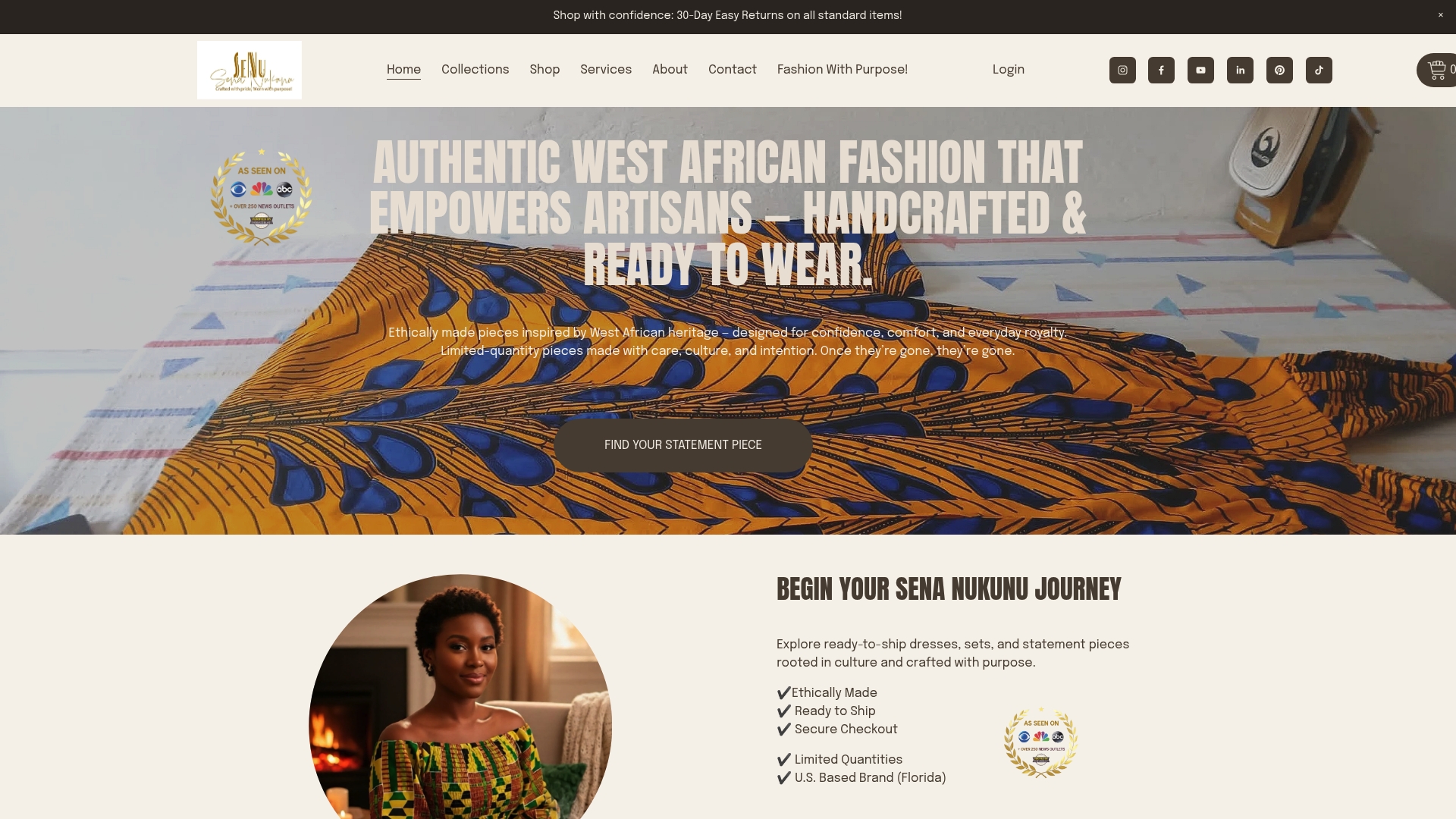
Our collections bring together ready-to-wear dresses, agbada ensembles, and statement sets designed for the shopper who wants AceKouture-style pieces with a documented story behind every stitch. Each release is limited in quantity, so the piece you love today may not be available next season.
Browse our full range at Sena Nukunu or head straight to our collections page to see sets like Woven Nobility: Kings' Robe and Woven Radiance: Queens in Bloom. If you want a closer look at how we present fit and fabric details, our Heritage Mosaic set page is a good place to start. For styling ideas once your piece arrives, outfit inspiration for festivals and events can help you plan how to wear a statement piece beyond its first outing.
When you find a piece that speaks to you, don't wait too long to check sizing and place your order, since limited runs don't restock the way mainstream inventory does.
FAQ
What are some brands similar to Bohme?
Brands similar to Bohme tend to be mainstream boutique retailers mixing bohemian and contemporary prints, which differs from culturally rooted West African fashion. If you want pieces grounded in heritage fabric and craftsmanship rather than a general boho aesthetic, a curated West African boutique is a closer match to that intent.
What brands are similar to Nasty Gal?
Nasty Gal's competitors are mostly fast-fashion and trend-driven retailers focused on quick turnaround over craftsmanship or cultural storytelling. For shoppers who want statement pieces with documented provenance and ethical production, curated boutiques or bespoke tailors offer a meaningfully different shopping experience.
What brand is similar to Lulus?
Lulus sits in the mainstream occasion-wear space, with mass-produced dresses for events and parties rather than culturally specific design. Readers looking for occasion wear tied to West African heritage should check fabric origin and artisan details directly on a seller's product pages before comparing it to a general occasion-wear retailer.
What brands are similar to Sabo Skirt?
Sabo Skirt is a mainstream contemporary fashion retailer, which differs in both sourcing and story from curated West African fashion platforms. If authenticity and ethical production matter to your purchase, prioritize sellers who disclose fabric origin, artisan involvement, and production scale over general style similarity.
How do I know if a West African fashion seller is ethical?
Look for sellers who describe who made the piece, what materials were used, and whether production runs are limited rather than mass-produced. A seller willing to answer direct questions about worker pay and sourcing is generally more transparent than one offering only vague "ethically made" labeling.
Authoritative links and resources to explore
For further reading, see our guide to curated shopping and our roundup of alternative platforms for comparison shopping.
Sources
- Services | Explore Various Designs — Sena Nukunu
- Vibrant Fashion Styles & Style Inspiration
- 6 Shoppable Summer Festival Outfits for 2026
- Top 3 nyeti-fashion.com Alternatives 2026