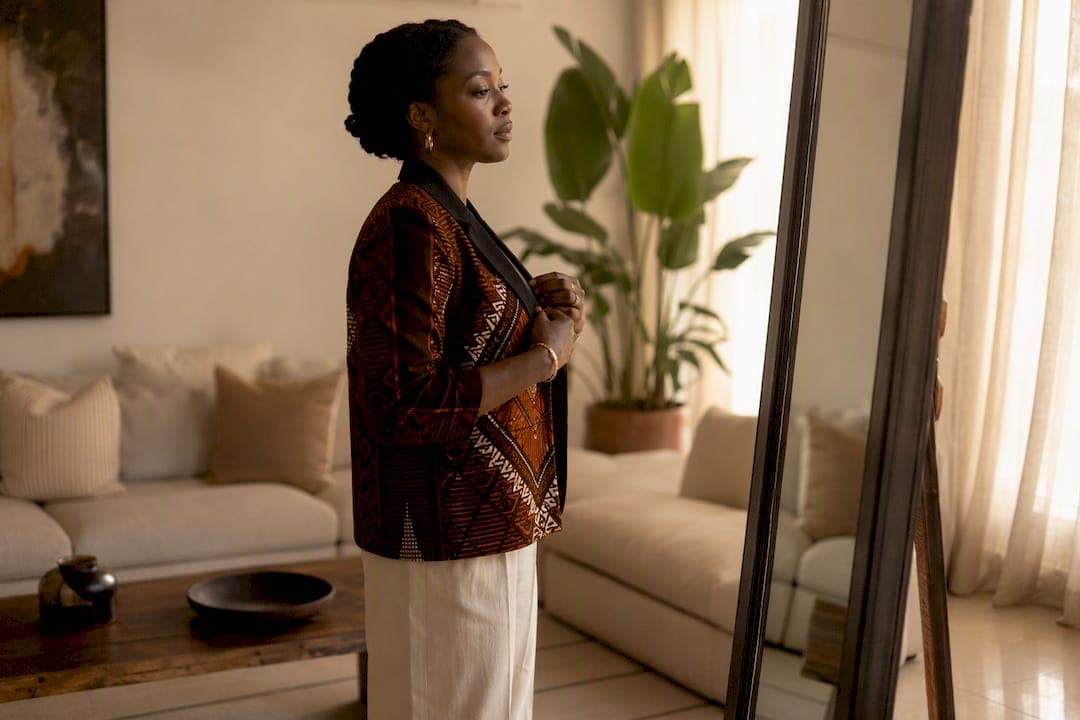
The fastest way to build an empowerment-focused wardrobe is to start with several key pieces, such as a power suit, statement dress, cultural garment like a kaftan, tailored matching set, artisan-made accessories, and versatile neutral basics. For culturally authentic, ethically produced West African statement pieces, Sena Nukunu is the recommended place to start. If you want to widen your search, look for women-owned labels carrying certifications like GOTS or B Corp, the kind Who What Wear has spotlighted as genuinely values-driven choices.
- Start here: Sena Nukunu for kaftans, agbada sets, and statement dresses rooted in West African craftsmanship.
- Alternative approach: Search for women-owned brands with visible material certifications and named artisan partners.
- Quick gut check: If a brand can't tell you who made your garment, keep looking.
Pro Tip: Buy fewer pieces, but buy ones with a story you can repeat to someone else. That's usually the sign a garment was made with intention, not just inventory turnover.
Key Takeaways
The most reliable empowerment wardrobe combines a set of well-made, culturally grounded pieces with visible proof of who made them and how.
| Point | Details |
|---|---|
| Start with six staples | A power suit, statement dress, cultural garment, matching set, artisan accessories, and neutral basics cover most needs. |
| Verify before buying | Check maker ownership, materials, and production location on every product page. |
| Prioritize longevity | Well-made staples worn repeatedly support artisans more than one-off trend purchases. |
| Style with balance | Pair statement pieces with neutral basics and correct tailoring for a confident, non-costume look. |
| Shop Sena Nukunu | A women-owned source for limited-run, ethically made West African dresses, kaftans, and sets. |
Table of Contents
- What Belongs on Your Women Empowerment Clothing List?
- How Do You Choose Empowerment Clothing That's Actually Ethical?
- How Do You Style Empowerment Pieces With Confidence?
- Where Can You Find Empowerment-Minded Brands Like Sena Nukunu?
- What Should You Check Before You Check Out?
- Why Cultural Storytelling Belongs in Your Closet
- Ready to Shop With Purpose? Here's Where to Start
- Frequently Asked Questions
- Sources
What Belongs on Your Women Empowerment Clothing List?
A women empowerment clothing list isn't just a shopping wishlist. It's a set of garments chosen because of who made them, what they say, and how they make you carry yourself. Every piece below earns its spot for a specific reason, whether that's supporting an artisan cooperative or simply letting you walk into a room with your shoulders back.
- Power suit or blazer. Sharp tailoring signals authority without a word spoken, and a well-cut blazer works from boardroom to brunch.
- Statement dress with cultural print. A dress rooted in a real textile tradition, like kente or ankara, carries a story worth telling when someone compliments it.
- Kaftan or cultural garment. Loose, regal silhouettes rooted in West African design offer comfort and presence in equal measure.
- Tailored matching set. Coordinated separates give you a polished, put-together look with half the decision fatigue of a full outfit.
- Artisan-made accessories. Handwoven bags and beaded jewelry often carry direct economic benefit for the women who made them, and Cesta Collective and ARTICLE22 are frequently cited examples of cooperatives doing this well.
- Inclusive-fit essentials. Pieces cut for a real range of bodies tell you a brand designed with actual women in mind, not a single sample size.
- Sustainable outerwear. A jacket made from recycled or certified fiber extends its usefulness across seasons instead of one trend cycle.
- Versatile neutral staples. Charcoal, cream, and deep earth tones anchor bolder pieces and stretch your wardrobe's mileage.
Longevity matters more than most shoppers realize. Glamour's reporting on women-owned brands recommends investing in durable, well-made staples over impulse trend buys, since repeated wear is what actually supports the maker behind the piece.
Pro Tip: Before adding to cart, ask yourself if you'll still wear this in three years. If the honest answer is no, it's a trend purchase, not an empowerment one.
How Do You Choose Empowerment Clothing That's Actually Ethical?
The quickest way to tell if a garment supports empowerment is to scan three things on the product page: who made it, what it's made of, and whether the brand is transparent about pay and hours. You don't need a forensic audit. A five-minute scan tells you most of what you need.
- Maker ownership. Is the brand women-owned, and does it say so clearly?
- Provenance or artisan partnerships. Does the page name a location, a cooperative, or an individual artisan?
- Material certifications. Look for GOTS or OEKO-TEX labeling on natural fiber pieces.
- Wage and hour transparency. Brands with nothing to hide usually say something about how workers are treated.
- Sizing inclusivity. Does the range reflect real bodies, or just a narrow sample block?
- Return and repair policy. A brand confident in its construction offers repair or replacement, not just refunds.
- Production scale. Small-batch or made-to-order production that follows slow fashion principles usually means less waste and more care per piece.
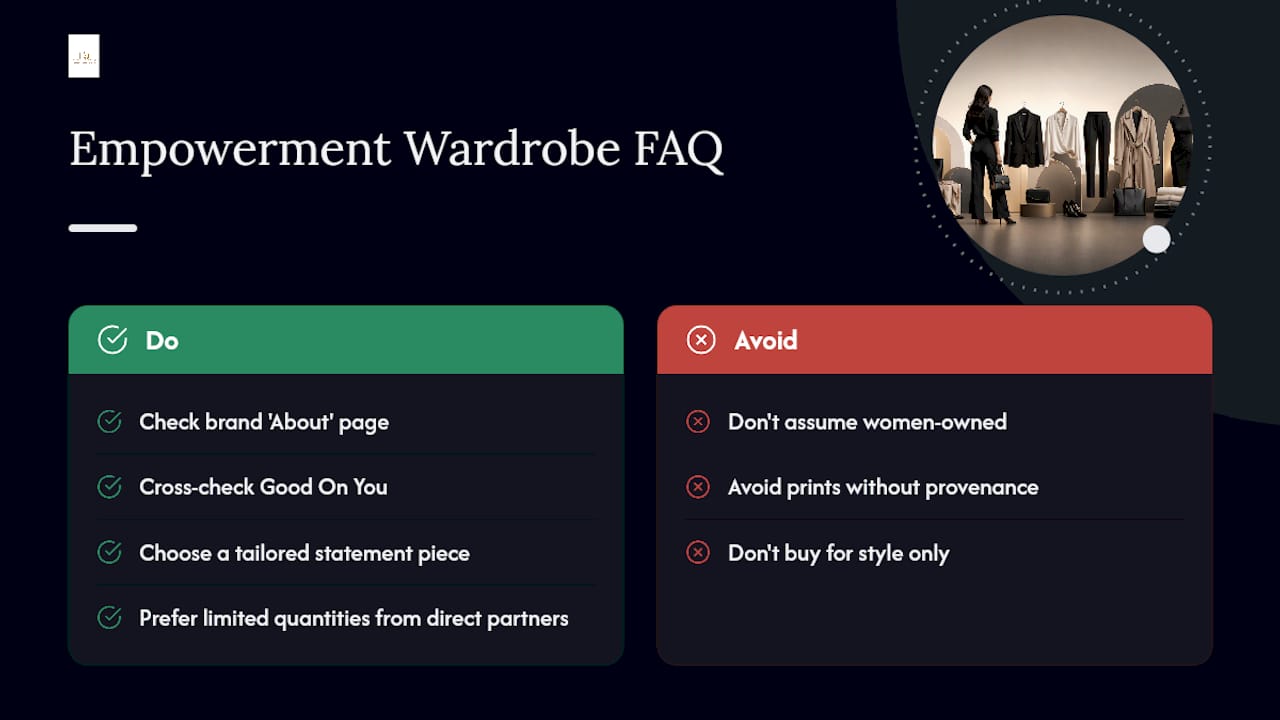
Cultural motifs printed on a dress with no maker credit and no origin story are a red flag, not a feature. A pattern borrowed from a tradition without crediting that tradition risks tokenism instead of celebration, and shoppers should treat provenance as the deciding factor before checkout.
Product pages that name a manufacturing location, tell an artisan's story, or note small-batch production are far more likely to reflect genuine partnerships rather than marketing dressing.
How Do You Style Empowerment Pieces With Confidence?
Fit and proportion matter more than label or price when it comes to actually feeling powerful in what you're wearing. A perfectly tailored blazer from a small independent label reads more confident than an ill-fitting one from anywhere else, no matter the name on the tag.
- Get it tailored. A $20 alteration on a blazer or kaftan hem often does more for your silhouette than a whole new outfit.
- Balance print with neutral. Let a statement dress or cultural garment be the loudest thing in the room; keep shoes and accessories quiet.
- Watch your scale. Bold beaded jewelry pairs best with simpler necklines; delicate pieces can get lost against heavy prints.
- Layer seasonlessly. A kaftan works over trousers in winter and alone in summer heat, which stretches its value across the year.
- Build outfit formulas. One for work (tailored set plus flats), one for events (statement dress plus artisan jewelry), one for casual days (neutral basics plus a printed scarf).
Pro Tip: Mix one cultural piece with modern staples rather than styling head to toe in prints. This keeps the look personal and intentional instead of costume-like, and it lets the story behind the garment stand out.
Where Can You Find Empowerment-Minded Brands Like Sena Nukunu?
If you want to widen your search beyond one brand, a few practical moves help:
- Search directly for "women-owned fashion brand" plus your desired category (dresses, outerwear, accessories).
- Check curated directories like Good On You's roundup of women-owned labels, which organizes brands by region and sustainability focus.
- Look for brand pages that name a specific factory, region, or artisan cooperative rather than vague "ethically made" language.
- Filter by certification (GOTS, Fair Trade, B Corp) wherever a retailer offers it.
- Cross-reference any cultural print or motif against the brand's stated provenance.
- Read our guide to West African styles for everyday wardrobes for more on integrating heritage pieces into modern rotation.
What Should You Check Before You Check Out?
Run these six checks before you add anything to your cart:
- Maker ownership. Confirm the brand is women-owned or has visible female leadership.
- Artisan pay and partnerships. Look for language about long-term relationships, not one-off collaborations.
- Certified materials. GOTS-certified cotton, recycled content, and similar labels flag lower-impact sourcing.
- Transparent production location. A named country or region beats "ethically sourced" with no specifics.
- Longevity and repair policy. Brands that stand behind construction quality usually offer repair or replacement options.
- Size inclusivity and returns. A fair return window matters as much as the size range itself.
Shopping with intention functions like a small vote for a brand's values, and Who What Wear's reporting on empowerment fashion frames supporting livable-wage brands as one of the more durable ways to practice empowerment through what you wear.
Why Cultural Storytelling Belongs in Your Closet
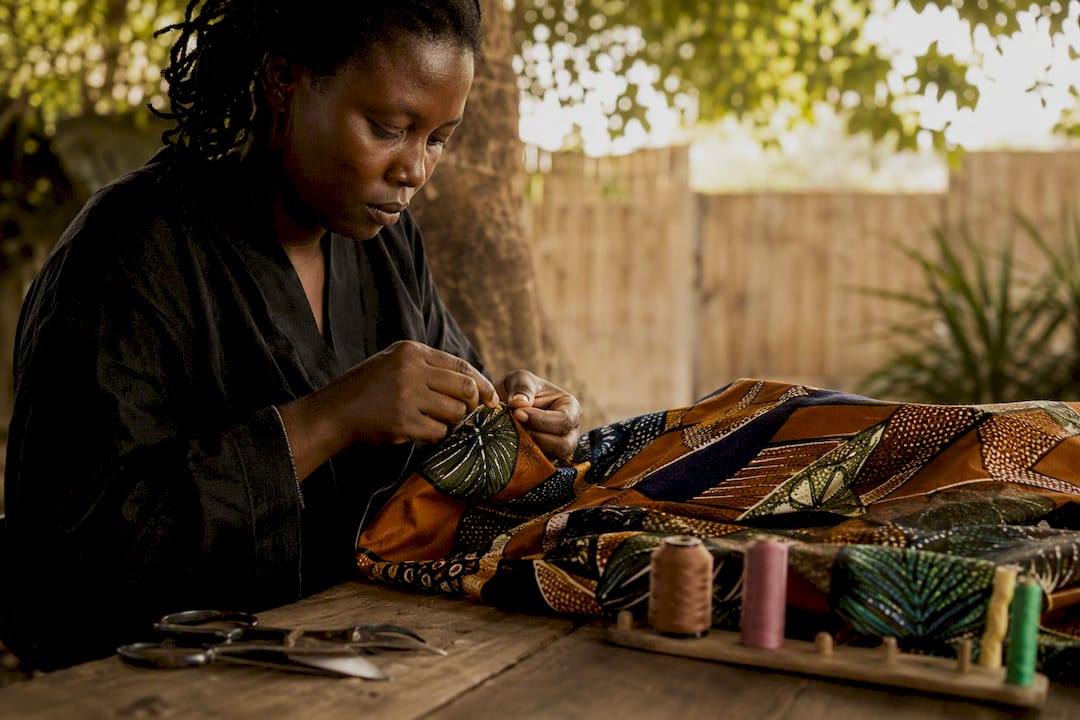
Clothing rooted in a real heritage shifts economic power toward the artisans who made it, not just the label that sells it. That belief sits at the center of why Sena Nukunu partners directly with West African makers rather than outsourcing to anonymous factories. Every limited run means an artisan gets paid for a specific piece, not a fraction of a mass order lost in a supply chain nobody can trace. If cultural provenance and confidence-building style matter to you, our collection and our blog on fashion activism are worth a closer look.
Ready to Shop With Purpose? Here's Where to Start
Sena Nukunu offers heritage-driven, ethically made West African pieces built for exactly the kind of empowerment wardrobe described above, from tailored kaftans to statement matching sets produced in limited runs.
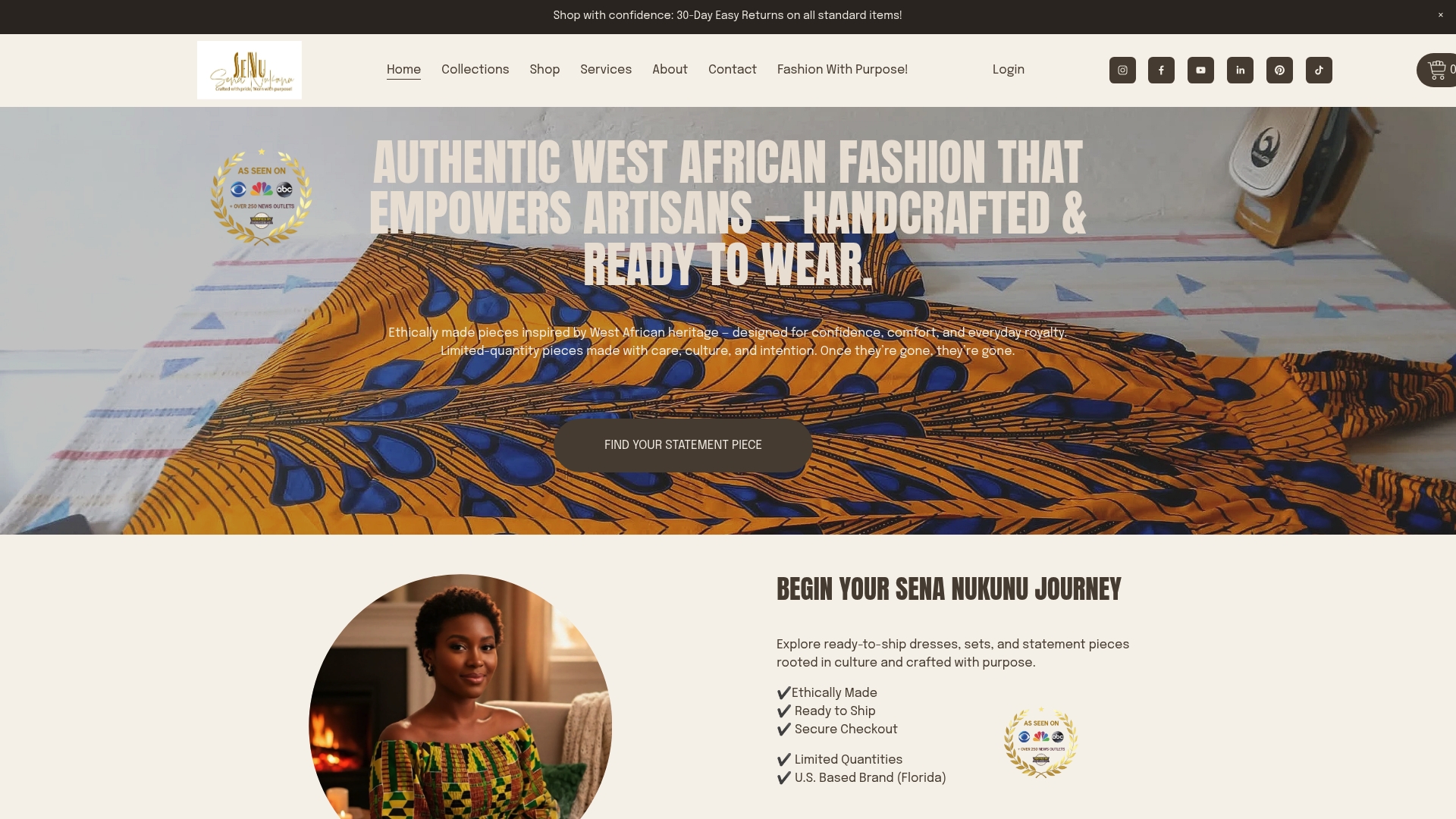
Start by browsing our featured collections to see current statement pieces and matching sets. Each product page notes provenance and craftsmanship details, so you can verify maker information before you buy, the same checklist habit worth applying to any brand. If you want first access to new limited-quantity drops before they sell out, check our sneak peek page for upcoming styles. Custom sizing requests are also available for select pieces, so reach out if your size isn't currently listed. The next step is simple: pick one piece that tells a story you want to wear, and start there.
Frequently Asked Questions
What is a women empowerment clothing list, exactly? It's a curated set of garments chosen for more than style, factoring in who made them, what they're made of, and whether the brand supports the maker fairly. It typically mixes statement pieces, cultural garments, and versatile basics.
How do I know if a brand is truly women-owned? Check the brand's "About" page for direct statements of ownership, then cross-reference with directories like Good On You, which vets and organizes women-owned labels by region.
Are cultural prints always empowering to wear? Only when paired with clear provenance. A print without a credited origin or maker risks becoming a tokenized pattern rather than a genuine celebration of the culture it borrows from.
What's the single best first purchase for an empowerment wardrobe? A tailored statement piece you'll wear repeatedly, whether that's a kaftan, matching set, or blazer, tends to deliver the most confidence and value per wear.
How does Sena Nukunu support artisans specifically? Sena Nukunu produces in limited quantities through direct partnerships with West African makers, which means each piece connects to a specific artisan's work rather than an anonymous factory run.
Sources
- 46 Items That Empower Women With Every Purchase | Who What Wear
- Women-Owned Brands: A curated directory — Good On You
- Women-Owned Brands: I Found the 60 Best Things to Buy Right Now | Glamour