TL;DR:
- The matching sets styling process involves fabric choice, fit, color coordination, and layering to create versatile outfits. Proper fabric quality and fit are essential for a polished look, with structured fabrics and correct sizing preventing a casual or frumpy appearance. Accessories and footwear can dramatically change the set's vibe while cultural prints require thoughtful styling to honor heritage and authenticity.
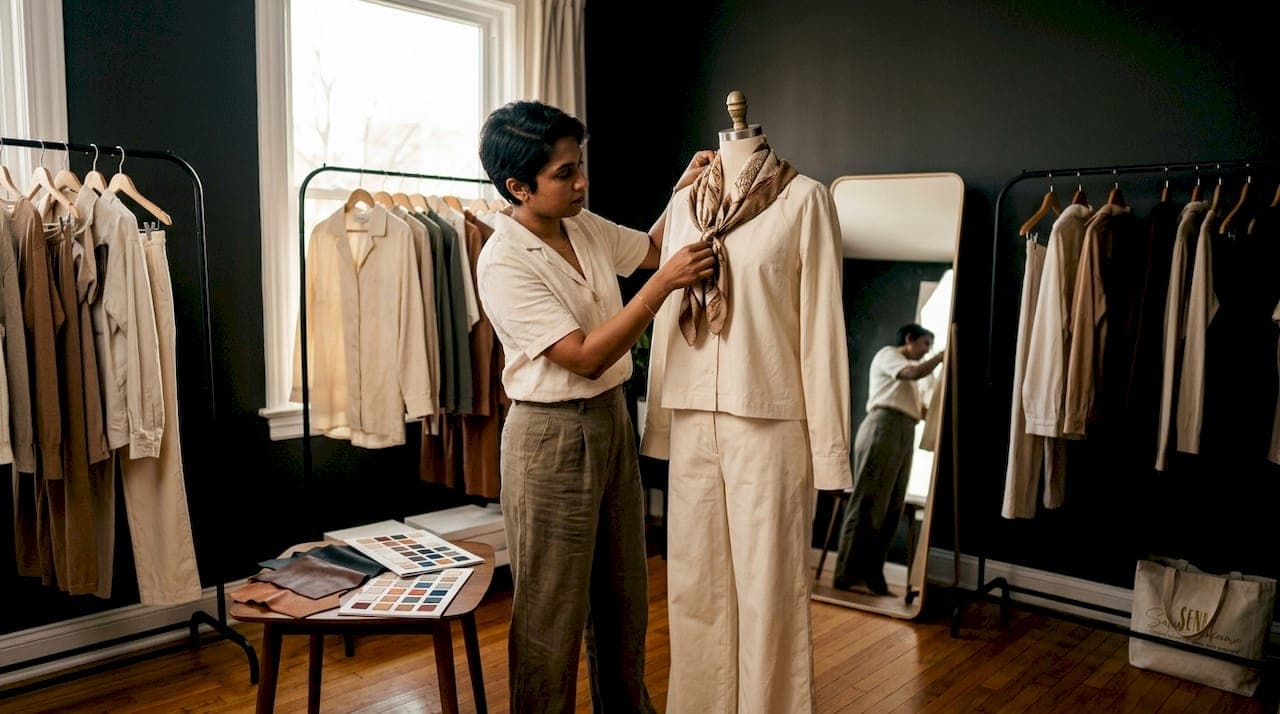
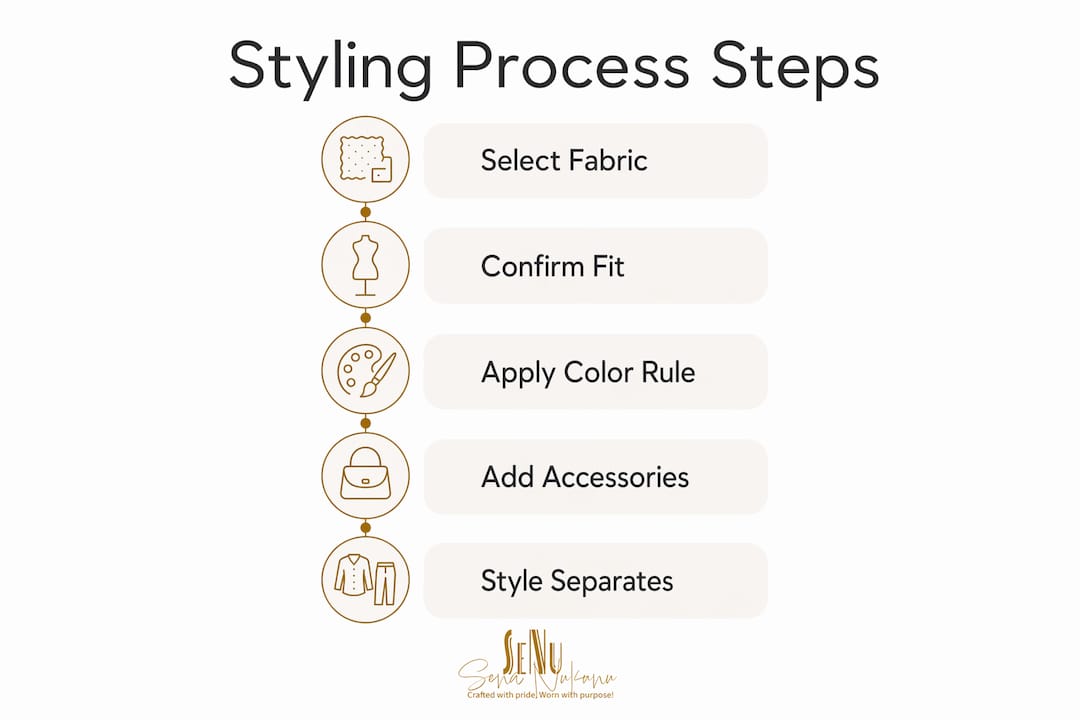
The matching sets styling process is a methodical approach to building balanced, polished outfits from coordinated pieces that work together or separately. Industry tools like the 7-point visual weight system and the 60-30-10 color rule give stylists a repeatable framework for achieving cohesion without looking overdressed or underdressed. The result is a wardrobe strategy that rewards creativity, honors personal style, and scales from casual brunches to formal events. Understanding this process is the difference between wearing a set and truly styling one.
What does the matching sets styling process actually involve?
The matching sets styling process, known in the industry as co-ord styling, centers on three decisions: fabric and fit, color and accessories, and how you wear the pieces together or apart. Get all three right, and a single set becomes multiple distinct outfits. Miss one, and even the most beautiful fabric reads as loungewear. The matching set fashion tradition has deep roots across cultures, and its modern expression rewards those who treat it as a system rather than a shortcut.
How do you choose the right fabrics and fit?
Fabric is the foundation of every polished co-ord look. Structured fabrics like linen blends, cotton poplin, ponte knits, and crepe maintain silhouette integrity and prevent the pajama effect that plagues poorly chosen sets. Soft knits and flimsy materials lose shape quickly, especially at the waist and hem, and no amount of accessorizing fixes a fabric that collapses under its own weight.
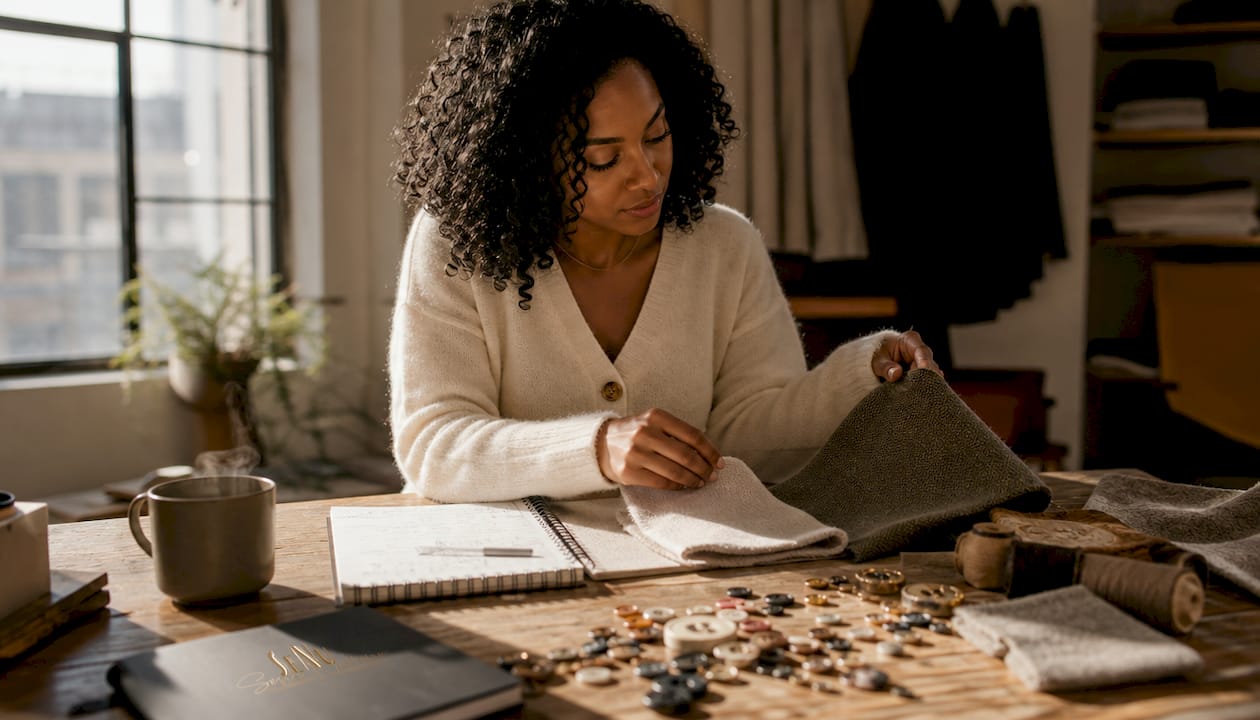
Fabric weight, measured in GSM (grams per square meter), is a reliable quality indicator. Higher GSM fabrics hold their structure through a full day of wear, drape with authority, and photograph with a richness that lighter materials simply cannot replicate. When you shop, feel the fabric between your fingers. If it stretches or crinkles immediately, it will do the same on your body.
Fit deserves equal attention. Poor fit at the shoulder and waist is the fastest way to make a set look too casual. Shoulder seams should sit exactly at the edge of your shoulder, not drooping toward your arm. Waistbands should sit flat without rolling or digging.
- Choose linen blends, ponte knits, or crepe for structure
- Avoid lightweight, clingy fabrics that wrinkle or lose shape
- Check shoulder seam placement before purchasing
- Confirm waistband stability when sitting and standing
- Prioritize hem length that flatters your proportions
Pro Tip: Try on a set and sit down in it. If the waistband rolls or the top rides up, the fit is wrong regardless of how good it looks standing.
How do color coordination and accessories elevate a set?
The 60-30-10 color rule is the most reliable formula for accessorizing a matching set. Your base outfit color covers roughly 60% of the look, a secondary tone fills 30%, and an accent color appears in 10% through jewelry, shoes, or a bag. This ratio creates depth without visual chaos.
Mixing textures within the same color family adds sophistication that a single fabric cannot. A silk blouse paired with linen trousers in the same ivory tone reads as intentional and layered. A matching set in one fabric and one color reads as a uniform unless you introduce texture through accessories or layering pieces.
Footwear carries more styling power than most people realize. Footwear choice is the most effective single tool for shifting a set's vibe. Sneakers make a structured linen co-ord feel weekend-ready. Block-heeled mules or pointed flats move the same set into work or evening territory. The set does not change. The shoes do all the work.
- Apply the 60-30-10 rule: base color 60%, secondary 30%, accent 10%
- Mix textures within the same color family for depth
- Choose footwear based on the occasion, not the set's color
- Avoid accessories that match the set exactly. Contrast creates interest
- Limit bold accessories to one statement piece per outfit
Pro Tip: One bold accessory, a wide beaded cuff, a sculptural earring, or a printed bag, adds personality without cluttering the look. Explore statement accessories that honor your personal style.
How do you style sets together versus as separates?
Wearing a set as a complete outfit is the starting point, not the end goal. One matching set can create up to three distinct outfits when you treat the top and bottom as individual pieces. That versatility is the real value of investing in quality co-ords.
When wearing the set together, the most effective upgrade is a structured third piece. Adding a blazer, structured coat, or crisp shirt breaks the monotony of a head-to-toe coordinated look and signals intentionality. A long neutral coat adds vertical lines that lengthen the silhouette and elevate any coordinated outfit. Without that third layer, even a well-fitted set can read as too uniform for professional or formal settings.
- Style the set together with a third piece. Layer a tailored blazer, trench coat, or structured cardigan over the set to add depth and polish.
- Pair the top as a separate. Wear the co-ord top with straight-leg denim or tailored trousers for a casual or business-casual look.
- Use the bottom as a separate. Pair the co-ord bottom with a contrasting blouse, fitted turtleneck, or button-down shirt.
- Define the waist. Use a French tuck technique to prevent a boxy silhouette, especially with monochromatic sets.
- Adjust for occasion. Swap footwear and accessories to move the same pieces from daytime to evening without changing the garments.
Pro Tip: When breaking a set into separates, keep one piece from the set visible so the outfit still feels intentional. Full separation works best when the fabrics are distinct enough to stand alone.
The table below shows how the same set shifts across three occasions with simple adjustments.
| Occasion | Styling Approach | Key Addition |
|---|---|---|
| Casual weekend | Set together with sneakers | Crossbody bag |
| Work or brunch | Top as separate with trousers | Structured blazer |
| Evening out | Full set with heels | Statement earrings |
How do you express cultural identity through matching sets?
Cultural expression through co-ord styling is one of the most powerful and personal applications of the matching sets format. Ethical accessorizing and pairing traditional pieces with contemporary neutrals create elegant cultural statements that honor heritage without feeling costume-like. The key is intentionality: every element of the outfit should reflect a deliberate choice.
West African prints, Kente cloth patterns, and Ankara fabrics carry deep cultural meaning. Wearing them as matching sets amplifies their visual impact while keeping the outfit cohesive. Cultural expression in styling adds authenticity and individuality when traditional patterns or accessories are incorporated thoughtfully. Pairing a vibrant printed co-ord with simple gold jewelry and neutral footwear lets the fabric speak without competing elements.
- Choose culturally significant prints as the focal point of the outfit
- Pair bold cultural fabrics with neutral or understated accessories
- Select footwear that complements without overpowering the print
- Research the cultural significance of patterns before styling them
- Honor the craftsmanship by keeping the rest of the outfit clean and considered
Styling cultural matching sets for various occasions follows the same logic as any co-ord. A Kente-print set worn with block heels and minimal gold jewelry works for a formal celebration. The same set with flat sandals and a woven bag shifts to a cultural festival or community gathering. The occasion-based approach applies equally to culturally inspired and contemporary sets.
Key Takeaways
The matching sets styling process succeeds when fabric quality, fit accuracy, the 60-30-10 color rule, and structured layering work together as a system.
| Point | Details |
|---|---|
| Fabric and fit first | Choose structured fabrics with higher GSM and confirm shoulder and waist fit before styling. |
| Apply the 60-30-10 rule | Distribute color across base, secondary, and accent to create depth without visual clutter. |
| Add a third piece | A blazer, coat, or structured layer is the single most effective upgrade for any co-ord outfit. |
| Treat sets as separates | One quality set creates up to three distinct outfits when tops and bottoms are styled individually. |
| Honor cultural expression | Pair culturally significant prints with neutral accessories to let the fabric carry the story. |
What I've learned from years of styling co-ords
The biggest mistake I see stylists and fashion enthusiasts make is treating a matching set as a finished outfit the moment they put it on. A co-ord is a starting point. The real styling begins when you decide what to add, what to remove, and how to shift the proportions.
I've found that the three-piece rule changes everything. The moment you add one structured outer layer, the entire outfit reads differently. It signals that you made a choice, not just grabbed two pieces that came in the same bag. That distinction is what separates a polished look from a comfortable one.
Cultural sets deserve even more care. When I style West African prints or heritage fabrics, I treat the fabric as the statement and build everything else around it. Neutral shoes, simple gold, clean lines. The fabric carries centuries of craft and meaning. It does not need help competing for attention. It needs space to be seen.
My honest advice: buy fewer sets and invest in quality. One well-fitted, higher-GSM co-ord in a culturally resonant print will give you more styling options than five lightweight sets that lose their shape by noon. Wear it with pride, wear it with intention, and let the story in the fabric do the talking.
— Sena
Senanukunu's curated sets for every occasion
Senanukunu brings the matching sets styling process to life through a curated collection of vibrant, structured pieces rooted in West African heritage and crafted with ethical intention.
Every piece at Senanukunu is designed to be worn together or styled as separates, giving you the versatility this guide describes and the cultural depth that makes each outfit meaningful. From intricate Ankara-inspired co-ords to timeless statement sets, the collection honors the artisans behind every stitch. If you want personalized guidance on building your wardrobe around coordinating sets, Senanukunu's styling services offer expert support tailored to your occasions and aesthetic.
FAQ
What is the matching sets styling process?
The matching sets styling process is a structured approach to creating polished outfits from coordinated pieces using fabric choice, fit, the 60-30-10 color rule, and layering techniques. It treats co-ords as versatile separates rather than fixed uniforms.
How do I avoid the pajama look in a matching set?
Choose structured fabrics like linen blends or ponte knits, confirm shoulder and waist fit, and add a third piece such as a blazer or structured coat to signal intentionality.
Can I wear a matching set as separates?
One quality matching set can create up to three distinct outfits when the top and bottom are styled individually with different complementary pieces like denim, trousers, or blouses.
How does footwear change a matching set outfit?
Footwear is the most effective tool for shifting a set's occasion. Sneakers create a casual look, while block heels or pointed flats move the same set into work or evening territory.
How do I style a culturally significant matching set?
Pair culturally significant prints with neutral accessories and understated footwear so the fabric remains the focal point. Ethical accessorizing honors the tradition behind the pattern while keeping the outfit cohesive.