TL;DR:
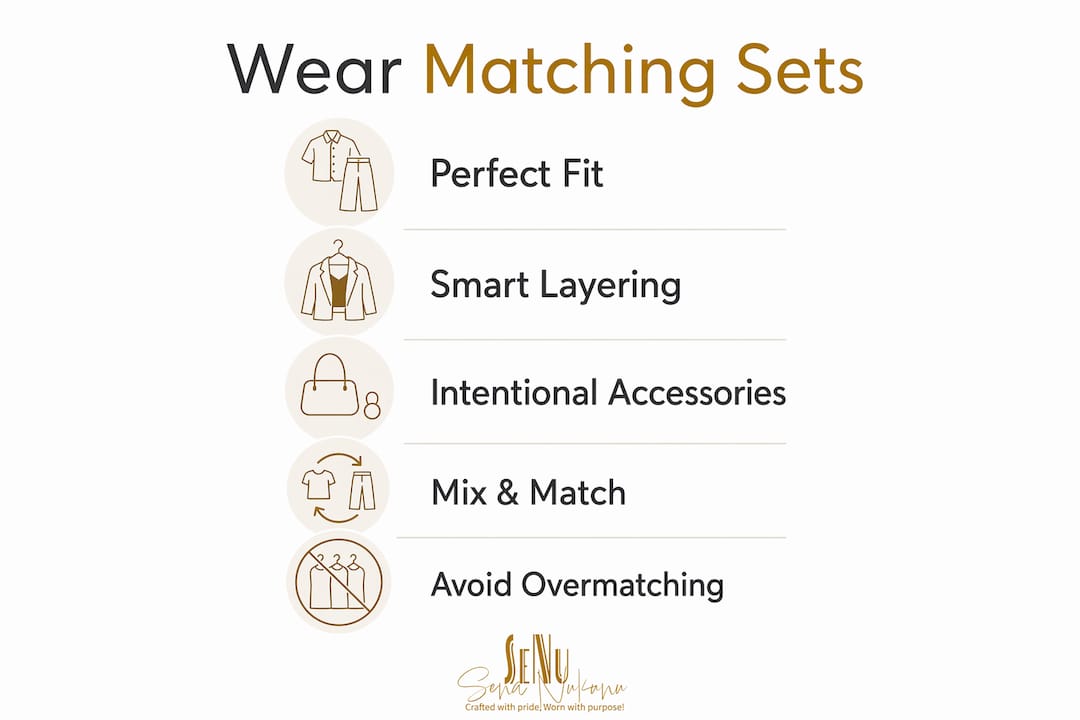
- Matching sets are coordinated two-piece outfits designed for quick, cohesive styling suitable for various occasions. Proper fit, quality fabric, and intentional accessories transform a basic set into a polished look, while versatility is achieved by treating pieces separately and mixing accessories. Avoid common mistakes by focusing on tailored fit, contrasting accessories, and appropriate footwear to enhance confidence and style.
Matching sets are coordinated two-piece outfits designed to be worn together, offering instant cohesion without the effort of building a look from scratch. The industry term for this category is "co-ord," short for coordinated set, and the styling principles behind co-ords apply whether you're working with a casual knit duo or a structured blazer-and-trouser pair. Knowing how to wear matching sets well means understanding fit, fabric, and the accessories that shift a look from basic to intentional. This guide covers every occasion, from weekend errands to evening events, with specific techniques that actually work.
How to wear matching sets: fit and fabric come first
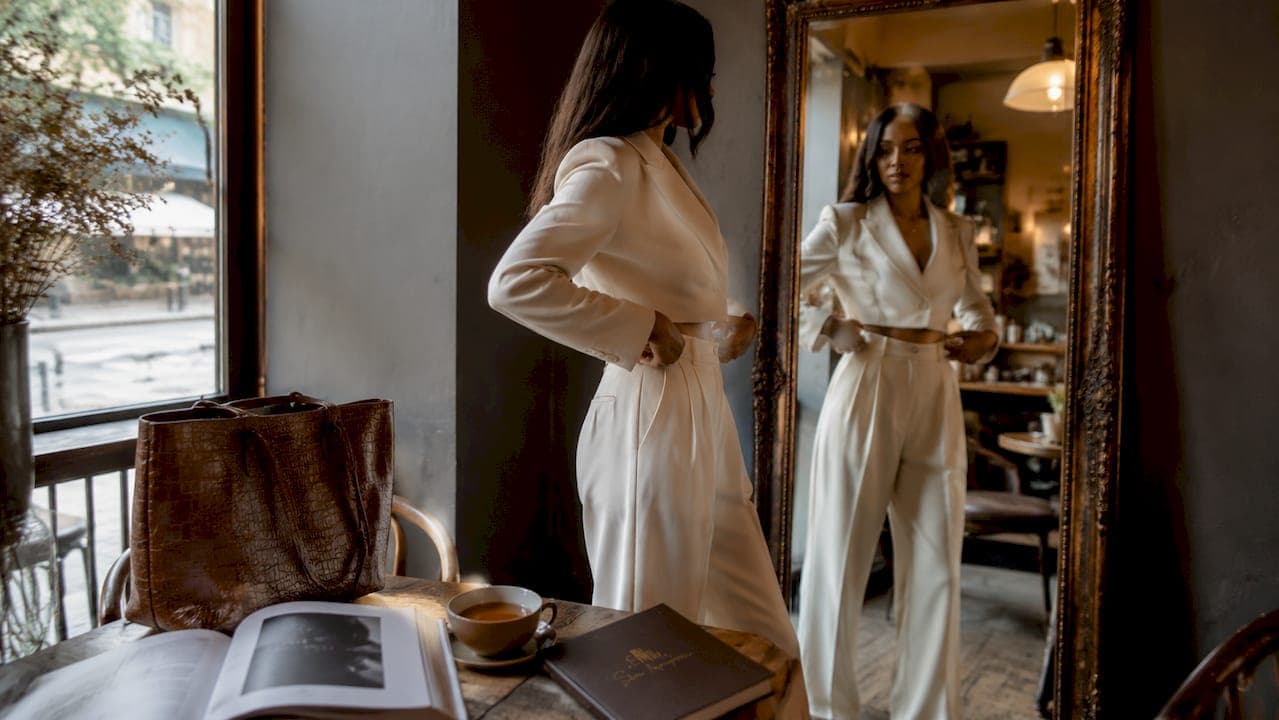
The single biggest factor separating a polished co-ord from a pajama situation is fit. Ill-fitting matching sets highlight proportion issues more than separates do, because both pieces carry the same problem at once. A top that pulls across the shoulders and trousers that bunch at the ankle tell the same unflattering story twice.
Fabric choice determines where a set can go. Structured materials like ponte knit and wool crepe hold their shape through a full workday and read as office-appropriate styling in a way that jersey or modal simply cannot. Softer fabrics are beautiful for weekends and travel, but they require sharper accessories to compensate for their relaxed drape.
Tailoring is not optional for structured sets. A tailor can take in a waistband, shorten a hem, or adjust a jacket sleeve for under $30 at most local shops. That investment transforms a good set into a great one.
- Check the shoulder seam. On a blazer or structured top, the seam should sit exactly at the edge of your shoulder, not drooping toward your arm.
- Assess the waistband. Trousers or skirts should sit at your natural waist without gaping or pulling.
- Test the fabric. Hold it up to light. If it's overly sheer or clingy, it will lose its shape by midday.
- Sit down in the store. Fabric that rides up or bunches when seated will do the same all day.
Pro Tip: When shopping for co-ords online, order both pieces in your usual size and one size up. Try the larger size on top and the standard size on the bottom, or vice versa, since many sets are cut to fit one body type uniformly.
How can accessories and layering transform matching sets?
Accessories are the difference between wearing a set and styling one. Adding at least one intentional accessory, like a structured bag or a leather belt, signals that you made deliberate choices rather than just putting on the first thing you grabbed. That distinction is visible to everyone in the room.
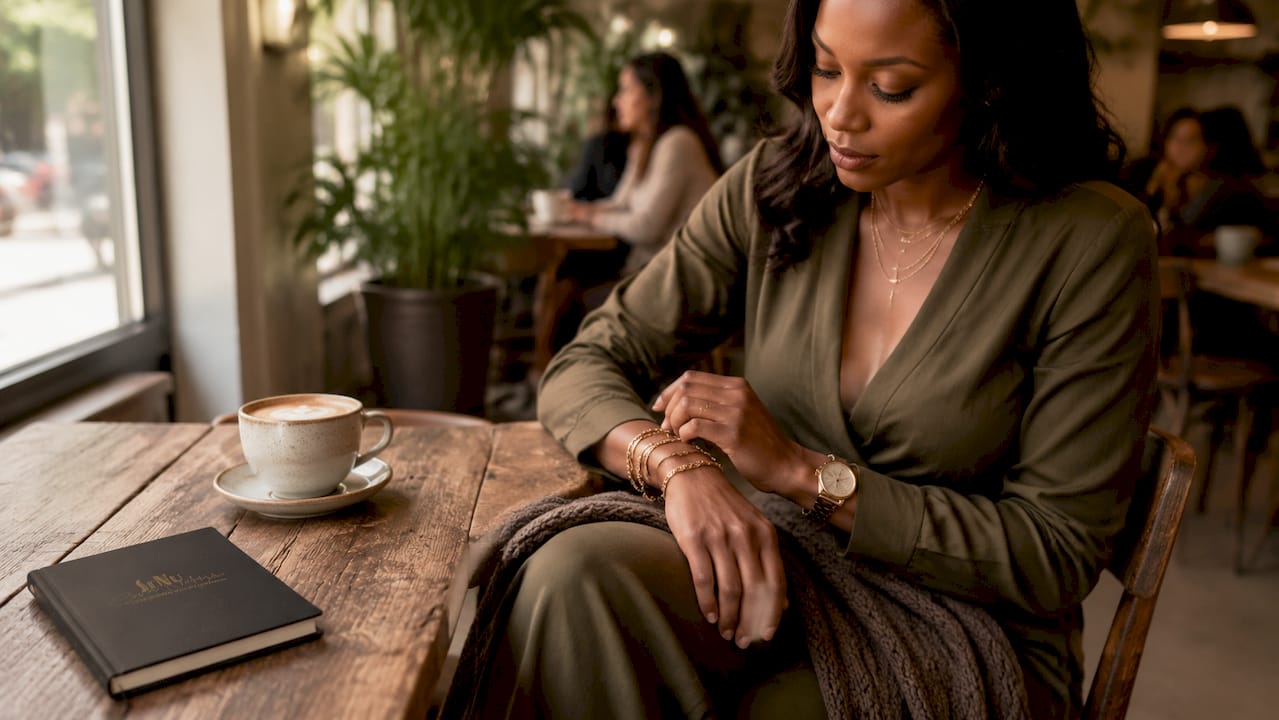
Layering adds dimension and solves the "too much of one thing" problem. A linen blazer thrown over a matching shorts set reads as smart-casual. A chunky knit cardigan over a silk co-ord adds texture contrast that makes the silk look more luxurious, not less. The goal is to break the visual monotony of a single fabric covering your entire body.
Contrasting textures in accessories are the most underused tool in co-ord styling. Leather footwear against a soft knit set creates a tension that feels intentional and fashion-forward. A beaded bag against a structured linen set does the same. The contrast is what makes the outfit feel styled rather than assembled.
Key layering and accessory choices that work:
- A fitted turtleneck under a blazer co-ord for fall and winter
- A silk scarf tied at the neck or wrist to add color without adding bulk
- Structured tote bags or top-handle bags in a complementary neutral, not an exact color match
- Statement earrings when the set has a simple neckline, to draw the eye upward
- A leather or woven belt to define the waist on looser, boxy sets
Pro Tip: Avoid accessories that exactly match your set's color. Choose one neutral complement or a deliberate contrast instead. Exact color matching flattens the look and makes the outfit feel costumey rather than curated. For guidance on accessorizing cultural outfits with intention, the principles translate directly to any co-ord.
What are the best ways to style matching sets for different occasions?
Occasion-based styling is where most people get stuck. The good news is that footwear choice alone can shift a matching set from a Saturday brunch to a Friday night dinner. Accessories and outerwear do the rest of the work.
Here are four occasion frameworks that cover the full range of co-ord styling:
-
Casual outings. Pair a cotton or linen co-ord with white sneakers or flat leather sandals. Add a denim jacket or an oversized shirt worn open as a layer. Keep bags relaxed: a canvas tote or a small crossbody works well. This is the easiest version of the look and the most forgiving for fit imperfections.
-
Business and office settings. Reach for structured blazer-and-trouser sets in neutral tones like camel, charcoal, or ivory. Pair with loafers or block-heeled mules. Add a simple leather tote and minimal gold jewelry. Avoid sets with bold prints for conservative offices, but a rich jewel tone reads as confident and professional in most creative workplaces.
-
Evening events. Elevate with strappy sandals or leather pumps, a small clutch, and a statement watch or layered gold necklaces. Seasonal footwear choices refine the formality of any set. A silk or satin co-ord in a deep color like emerald, burgundy, or midnight blue needs almost no other styling to read as evening-ready.
-
Special occasions and celebrations. Choose luxe fabrics and refined details. Silk, jacquard, and embroidered sets in jewel tones carry the weight of a special event without requiring a dress. Pair with pointed-toe heels, delicate jewelry, and a small structured bag. This is where West African-inspired sets in Ankara or embroidered fabrics shine, because the fabric itself tells a story that no accessory needs to repeat.
How to break up matching sets to maximize outfit variety
Treating a co-ord as two separate pieces is the smartest way to multiply your wardrobe without spending more. Mixing set tops with jeans or bottoms with simple tanks turns one purchase into three or four distinct outfits. That math matters when you're building a wardrobe with intention.
The top from a blazer co-ord works as a standalone jacket over a white tee and straight-leg jeans. The matching trouser becomes a polished bottom paired with a fitted ribbed tank or a silk blouse. Neither piece looks like half of something. Both look complete.
Here is a quick comparison of how the same set pieces perform when worn together versus separately:
| Styling Approach | Occasion Fit | Versatility |
|---|---|---|
| Full co-ord as designed | Evening, business, special events | Single-occasion use |
| Top worn as a jacket over basics | Casual, smart-casual | Pairs with jeans, skirts, dresses |
| Bottom worn with a simple top | Casual, weekend, brunch | Pairs with tanks, tees, blouses |
| Both pieces in separate outfits | Multiple occasions across a week | Doubles or triples outfit count |
Changing outerwear, shoes, and bags shifts the mood of any set from sporty to sharp without touching the set itself. That principle applies equally when you break the set apart. The trouser from your co-ord worn with a leather jacket and ankle boots reads completely differently than the same trouser with a linen blazer and loafers.
- Wear the set top with a slip skirt in a complementary color for a more feminine, unexpected look
- Pair the set bottom with a cropped denim jacket and a simple white tee for weekend errands
- Layer the full set under a long coat in winter so only the trousers and shoes are visible, creating a new silhouette entirely
What common mistakes should you avoid when wearing matching sets?
The most common co-ord mistake is treating the set as a complete outfit that needs no further thought. Matching sets reduce decision fatigue, but they require quality staples and intentional styling to avoid a basic look. Putting on a co-ord and walking out the door without accessories or layering is the fastest route to looking underdressed.
Specific mistakes to avoid:
- Exact-match accessories. Wearing a green set with green shoes and a green bag creates a monochromatic block that reads as a costume. Choose one neutral or one contrast instead.
- Ignoring fit issues. A set that fits perfectly on the mannequin may not fit your proportions. Invest in tailoring rather than wearing something that pulls or sags.
- Choosing the wrong fabric for the occasion. A sheer or clingy fabric in a professional setting undermines the polished effect you're going for. Quality fabrics hold shape for repeated wear and look more expensive at every price point.
- Repeating the same shoe and bag combination. The same set worn with white sneakers one day and strappy sandals the next looks like two different outfits. Use that to your advantage.
Pro Tip: Before leaving the house in a co-ord, add one thing and remove one thing. Add an accessory that creates contrast. Remove anything that exactly matches the set color. That edit takes 30 seconds and consistently improves the result.
Key takeaways
Styling matching sets well comes down to fit, intentional accessories, and treating each piece as a versatile wardrobe item rather than a single outfit.
| Point | Details |
|---|---|
| Fit and fabric are non-negotiable | Tailoring structured sets prevents proportion issues that are more visible in co-ords than in separates. |
| Accessories create the look | Add at least one contrasting accessory, such as a leather bag or statement earrings, to move beyond a basic appearance. |
| Occasion drives footwear choice | Sneakers and loafers work for casual settings; strappy sandals and pumps shift the same set to evening-ready. |
| Break the set apart regularly | Wearing top and bottom pieces separately with other wardrobe staples multiplies outfit options from one purchase. |
| Avoid exact color matching | Accessories in the same color as the set flatten the look; choose a complementary neutral or deliberate contrast instead. |
What wearing a co-ord taught me about confidence
I have styled co-ords on many different body types and occasions, and the one truth that holds across all of them is this: the set is a starting point, not a finished statement. The women who wear matching sets with the most presence are not the ones with the most expensive pieces. They are the ones who treat the co-ord as a canvas and add something of themselves to it.
The instinct to wear a set exactly as styled on the model is understandable, but it is also limiting. A blazer co-ord styled with a bold printed scarf and gold hoops tells a completely different story than the same set with a white tee underneath and white sneakers. Both are correct. Both are intentional. The difference is that one reflects a personal point of view, and that is what people actually remember.
What I have found is that confidence in a co-ord comes from knowing you made choices. When you pick the shoes, the bag, and the layer deliberately, you carry the outfit differently. You are not just wearing clothes. You are expressing something. That shift in posture and presence is visible, and it is the real reason some people make a $60 set look like it cost ten times more.
If you are new to styling statement pieces, start with one bold choice per outfit and build from there. The goal is not perfection. The goal is intention.
— Sena
Discover vibrant matching sets at Senanukunu
Senanukunu was built on the belief that every piece of clothing should carry meaning, craftsmanship, and cultural pride. The two-piece sets at Senanukunu are designed with that philosophy in every stitch, drawing on West African heritage to create co-ords that stand apart from anything you will find in a fast-fashion catalog. Each set is crafted in limited quantities, which means the piece you choose is genuinely rare.
Whether you are building a wardrobe for professional settings, special occasions, or everyday wear that makes a statement, Senanukunu offers curated styles that bring cultural storytelling and artisan craftsmanship together. Pair any set with pieces from the accessories collection to complete the look with intention. Visit Senanukunu to find your next standout outfit, one that honors tradition and fits the life you are living right now.
FAQ
What is a matching set in fashion?
A matching set, also called a co-ord, is a coordinated two-piece outfit where the top and bottom are designed from the same fabric, print, or color palette to be worn together. The term co-ord is the standard industry label for this category.
How do i style a matching set for work?
Choose structured fabrics like ponte knit or wool crepe in neutral or jewel tones, and pair with loafers or block heels and a leather tote. Structured blazer-and-trouser sets are the most office-appropriate option in 2026.
Can i wear matching set pieces separately?
Yes, and you should. Treating set pieces as separate items multiplies your outfit options significantly, with the top pairing well with jeans and the bottom working with simple tanks or blouses.
What shoes work best with matching sets?
Footwear choice sets the occasion tone. Sneakers and loafers work for casual and smart-casual looks, while strappy sandals and leather pumps shift the same set into evening or formal territory.
How do i avoid looking like i'm wearing pajamas in a co-ord?
The difference comes down to fit, fabric quality, and at least one intentional accessory. Fit and styling confidence are the primary factors separating a polished co-ord from a loungewear look.