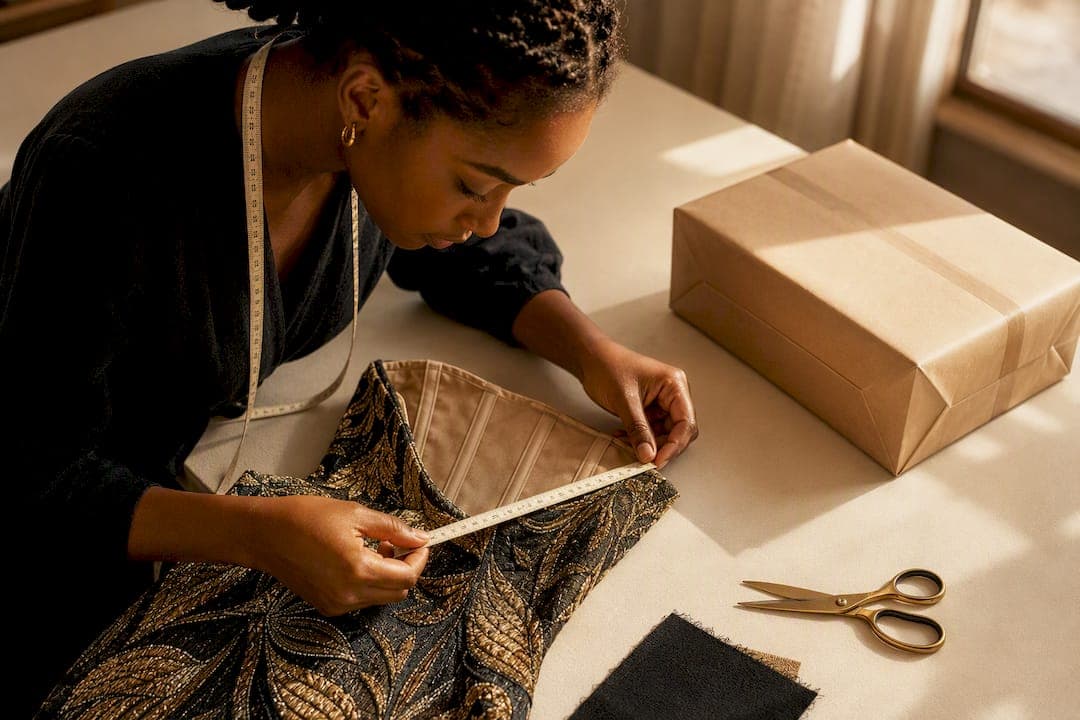
African-inspired prom dresses combine heritage textiles like Ankara, kente, and Aso Oke with modern prom silhouettes such as mermaid, ball gown, or corseted styles. U.S. shoppers have three real paths to get one: buy ready-to-ship from American boutiques and West-African-inspired brands, order custom from a designer overseas, or shop domestic marketplaces with careful vetting. Start looking early, and confirm return policies and lead times before you commit.
TL;DR:
- Ready-to-ship dresses from U.S.-based brands offer faster delivery, clear sizing, and return policies, but may have limited customization options.
- Authentic African fabrics like Aso Oke and Kente can be rigid or heavy, so assessing fabric movement before purchase ensures comfort during the event.
- Custom orders from overseas designers typically cost $600 to $1,000 and require early planning, detailed measurements, and longer shipping times.
- Fabric choice influences dress silhouette: Ankara suits fitted or mermaid styles, while heavier Aso Oke and Kente provide structure for A-line and ball gown shapes.
- Starting prom dress shopping at least three to four months in advance helps avoid rush fees, shipping delays, and allows adequate time for fittings and alterations.
Table of Contents
- Key African Prom Dress Styles, Fabrics, and Motifs to Know
- Where to Buy African Print Prom Dresses in the US
- How to Choose Your Prom Dress: Timeline, Budget, and Fit
- Styling and Accessories That Honor the Dress
- Sena Nukunu: A US-Based Option for West African-Inspired Prom Style
- What Wearing an African-Inspired Prom Dress Really Means
- Shop Sena Nukunu's Prom-Ready Collections
- Sources
- FAQ
Key African Prom Dress Styles, Fabrics, and Motifs to Know
Before you fall in love with a dress online, it helps to know what you're actually looking at. Three fabrics dominate African-inspired prom dress ideas, and each one behaves differently under lights, on a dance floor, and in photos.
Ankara (sometimes called African wax print) is cotton fabric printed with bold, often geometric patterns in saturated colors. It's the most accessible and budget-friendly of the three, and designers love it because it tailors beautifully into structured shapes. If you want a dress with sharp lines, a fitted bodice, or a dramatic peplum, Ankara holds its shape well.
Aso Oke (pronounced "ah-SHAW oh-KAY") is a prestige Yoruba cloth traditionally woven in narrow strips and sewn together, historically reserved for major life milestones. The Metropolitan Museum's collection notes on Aṣọ òkè describe distinct types like sanyan, alaari, and etu, each with its own texture and metallic-thread shine from a technique called carryover-thread weaving. If a dress catches light in a way that looks almost woven with tiny flashes of gold or silver thread, you're likely looking at genuine Aso Oke or a close interpretation of it.
Kente carries similar weight. The Metropolitan Museum's notes on royal kente cloth explain that it's also woven in narrow bands and historically served as a status marker in Asante-Akan culture. Authentic kente shows visible seams where those narrow strips join, and the coloring tends to be richer and more varied than a printed imitation.

Embellished lace rounds out the group, often layered over Ankara or used as an overlay for a more traditional formal look, especially in corseted or ball-gown silhouettes.
Which Fabric Fits Which Silhouette
- Mermaid or fitted gowns: Ankara and lighter Aso Oke drape close to the body without adding bulk.
- A-line dresses: Kente and heavier Aso Oke give enough structure to hold a clean line from waist to hem.
- Ball gowns: Embellished lace and layered Ankara handle volume without feeling stiff.
- Corseted bodices: Structured Ankara or lace-overlay combinations hold boning well and won't shift during a night of dancing.
Weight and drape matter more than most shoppers realize. A heavier Aso Oke can look regal standing still but may feel rigid during a slow dance. Thinner Ankara moves easily but can wrinkle if you're sitting for photos beforehand.
Pro Tip: Ask any seller how the fabric moves before you buy, not just how it looks in a still photo. A dress that photographs well standing still but restricts your stride is one you'll be adjusting all night.
For more on how specific patterns translate into modern silhouettes, see this breakdown of Ankara dress styles and how designers are pairing traditional cloth with black-tie-appropriate evening silhouettes.
Where to Buy African Print Prom Dresses in the US
Three channels cover almost every shopper's needs, and each one trades speed for something else, whether that's price, customization, or authenticity.
- Domestic ready-to-ship boutiques and U.S.-based West-African-inspired brands. This is the fastest, lowest-risk route. You get real sizing charts, U.S.-based customer service, and standard return windows. Brands rooted in West African heritage but operating from the U.S. also mean your money supports domestic small business alongside the artisans behind the garments.
- Marketplaces and independent sellers (Etsy, Instagram shops, and similar platforms). This route offers huge variety and often lower prices, but vetting matters enormously here. Check for multiple genuine customer photos, not just professional shots. Read the shipping policy closely, since many independent sellers ship from overseas even when their storefront looks domestic. Confirm the return policy in writing before paying.
- Custom orders directly from West African designers. This is where the biggest prom trend of the last few seasons is happening. BBC reporting found that Nigerian and Ghanaian designers shipped thousands of custom prom orders to U.S. teens in a single season, with typical prices landing between $600 and $1,000 for a fully custom piece. Social platforms accelerated this trend heavily, and the #AfricanPromDress trend on TikTok is part of why demand jumped so fast.
Custom international orders require more patience and more communication. Designers typically ask for detailed measurements, reference photos, and sometimes a video call to confirm fit before cutting fabric. Build in extra time for international shipping and be aware of potential customs fees on top of the dress price. This route rewards shoppers who start early and stay in close contact with their designer throughout the process.
Price expectations vary by channel:
- Domestic ready-to-ship dresses often run in a comparable range to standard formalwear, with predictable costs and no customs surprises.
- Custom African-made pieces average $600 to $1,000, according to BBC's reporting, though heavy beading, hand embroidery, or rush production can push that number higher.
- Marketplace and independent-seller prices swing widely, and the lowest listings often signal printed imitations rather than authentic hand-woven cloth.
Beading, hand-finished embellishment, and genuine Aso Oke or kente (versus a printed cotton imitation) are the biggest cost drivers across every channel.
How to Choose Your Prom Dress: Timeline, Budget, and Fit
Choosing the right African-inspired prom dress comes down to four decisions made in the right order: silhouette, fabric, timeline, and fit. Get the order backward, and you'll be paying rush fees in April for a dress that needed alterations in February.
Run through this checklist before you buy:
- Does the silhouette let you move comfortably for a full night of dancing?
- Does the fabric weight match the season and venue (heavier Aso Oke for a cooler evening, lighter Ankara for a warm gym or ballroom)?
- Does the dress meet your school's dress code, especially around length, neckline, and back coverage?
- If ordering custom, have you confirmed the designer's measurement process in writing?
Timeline matters more than most shoppers expect. Prom shopping guides recommend starting your search 3 to 4 months before the event. That window gives you room to compare options, place a custom order, and still have buffer time if a shipment runs late. Alterations should be scheduled 4 to 6 weeks before prom night, never the week of.
Custom international orders need the earliest start of all. Between design confirmation, production, and international shipping, a fully custom piece from an overseas designer can easily take 6 to 10 weeks from deposit to delivery. Order in December or January for a spring prom, not March.
Budget for more than the sticker price. A realistic total includes the dress itself, alterations (often $50 to $150 depending on complexity), shipping, and any customs fees on international orders. Rush fees for last-minute alterations can add another $100 or more, so the earlier you finish shopping, the more of that money stays in your pocket.
Pro Tip: If you're ordering from overseas, ask your designer for a printable measurement guide and have a parent or friend help take measurements twice. A five-minute video call to confirm fit before production starts can save weeks of back-and-forth later.
Remote fitting works best with three tools: a detailed measurement chart, well-lit photos in fitted clothing, and a short video call if the designer offers one. Skipping any of the three is the most common reason custom prom dresses arrive needing major alterations.

Styling and Accessories That Honor the Dress
The right accessories should support the fabric, not compete with it. Bold Ankara prints already carry visual weight, so pull jewelry scale down when the dress pattern is busy, and go bolder with accessories when the fabric is a solid or subtle weave like Aso Oke.
- Metal tone: Gold complements the metallic threads common in Aso Oke and kente, while silver often reads cleaner against solid Ankara.
- Jewelry scale: Smaller, delicate pieces let a heavily patterned Ankara dress stay the focal point; statement earrings work better with simpler, solid-color gowns.
- Headwraps and hair: A traditional headwrap can be a stunning, intentional choice, but treat it as a styling decision tied to your own heritage and comfort rather than a costume accessory. Loose curls or a sleek updo both pair naturally with structured necklines.
- Footwear: Choose shoes you've already broken in, and get your hem measured with those exact shoes on. Heel height changes hem length more than most people expect.
- Emergency kit: Pack fashion tape, a small sewing kit, bobby pins, blotting papers, and a stain wipe. Beaded and embellished pieces occasionally need a quick fix mid-event, and you'll be glad you planned ahead.
For more ideas on building a complete look around West African textiles, this guide to complementary African-inspired pieces and these styling tips for Ankara outfits cover fit and confidence details worth reading before your final fitting.
Sena Nukunu: A US-Based Option for West African-Inspired Prom Style
Senanukunu is a U.S.-based brand offering West African-inspired formalwear with a domestic shipping option, avoiding longer international wait times and customs concerns. Its collections emphasize ethical manufacturing and artisan craftsmanship, with pieces produced in limited quantities rather than mass runs.
What that means practically for a prom shopper:
- Ready-to-ship dresses and statement sets from curated collections are designed with regal silhouettes suitable for formal events.
- Pieces like the Gloden Peacock Wrap Gown and Dzifa Glow Smocked Dress show the kind of structured, photo-ready shapes that translate well to a prom setting.
- A production model focusing on limited quantities helps reduce the likelihood of repeating styles at an event.
- The craftsmanship reflects cultural storytelling, with prints and construction designed to convey intentional meaning rather than generic patterns.
Limited quantities mean popular styles sell out, so checking availability early in your shopping window matters more here than with a mass-produced retailer.
What Wearing an African-Inspired Prom Dress Really Means
Prom is one of the few nights where a young person gets to decide, publicly and confidently, who they are. For a lot of students with West African roots, that decision now includes wearing a dress that reflects where their family comes from, not just what's trending in a mall window.
That shift deserves respect on both ends. Shoppers should seek out pieces that come from real cultural knowledge rather than a printed knockoff of a sacred cloth pattern, and sellers owe buyers honesty about what they're actually getting, whether that's genuine Aso Oke or a modern print inspired by it. Fit matters just as much as fabric. A gorgeous kente-inspired gown that doesn't fit right won't feel like a celebration.
Choose the dress that makes you feel like yourself, sourced from people who can tell you exactly where it came from.
— Sena
Shop Sena Nukunu's Prom-Ready Collections
Senanukunu gives you a direct path to a West African-inspired prom dress without the overseas wait time or customs guesswork that comes with ordering from an international designer. As a Florida-based brand built on ethical manufacturing and limited-quantity craftsmanship, every piece ships from within the U.S., so you're not gambling your prom date on a package stuck at customs.
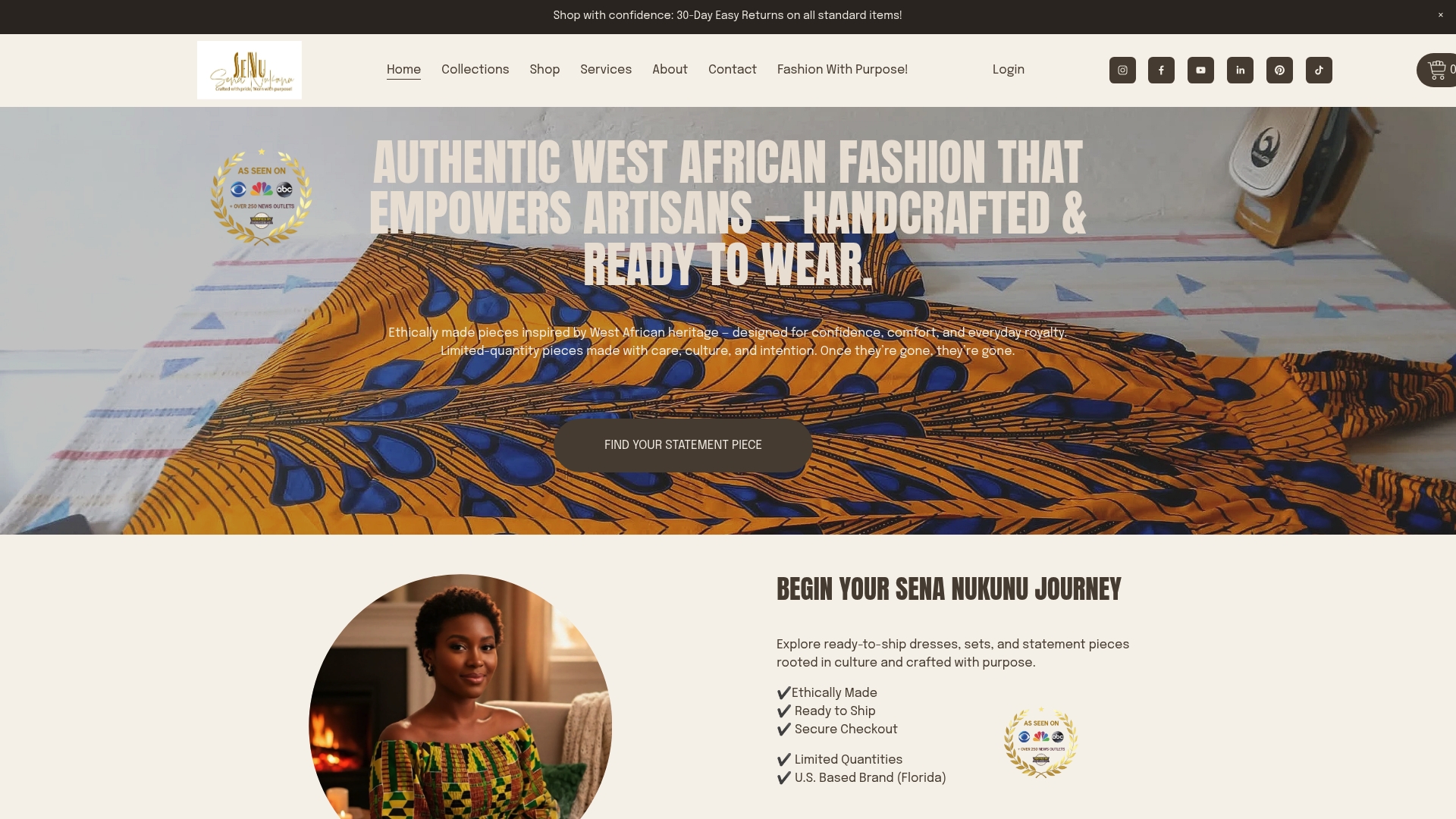
Browse the full Women's Collections lineup to see current ready-to-ship dresses and statement sets, or head to the Senanukunu homepage to explore new arrivals and reach out about sizing questions before you buy. If you want first access to upcoming pieces before they sell out, check the sneak peek page for what's landing next.
Sources
- The Nigerian prom dresses that have the wow factor for US teenagers
- Aṣọ òkè
- When to Shop for Prom, Wedding & Mother of the Bride Dresses | Timeline Guide – Lara New York
FAQ
Where Can I Buy Authentic African Prom Dresses?
You have three solid routes: U.S.-based ready-to-ship brands like Senanukunu, custom orders directly from designers in Nigeria or Ghana, or vetted marketplace sellers on platforms like Etsy. Custom African-made pieces typically run $600 to $1,000, while domestic ready-to-ship options often cost less and arrive faster.
Where Can I Find African Print Dresses for Prom?
Ankara print dresses are widely available through U.S.-based West African-inspired brands, independent Etsy sellers, and custom designers overseas. Look closely at fabric photos and reviews before buying from a marketplace, since printed imitations of hand-woven cloth are common at lower price points.
Where Can I Buy Authentic African Wear Beyond Prom Season?
Sena Nukunu carries year-round collections including agbada sets, kaftans, and statement dresses built from the same heritage-inspired fabrics used in prom pieces. Browsing outside prom season also means better availability, since limited-quantity pieces from small ethical brands tend to sell out fast closer to spring.
Where Can I Find Wholesale African Clothes?
Wholesale sourcing usually means going directly through import distributors or bulk marketplace sellers rather than boutique retailers, and quality control becomes harder to verify at that scale. For a single prom dress, a ready-to-ship boutique or a custom order gives far better quality assurance than a wholesale lot.
How Far in Advance Should I Order My Prom Dress?
Start browsing 3 to 4 months before prom, and place custom international orders even earlier, since production and shipping can take 6 to 10 weeks. Schedule alterations for 4 to 6 weeks before the event to avoid rush fees.