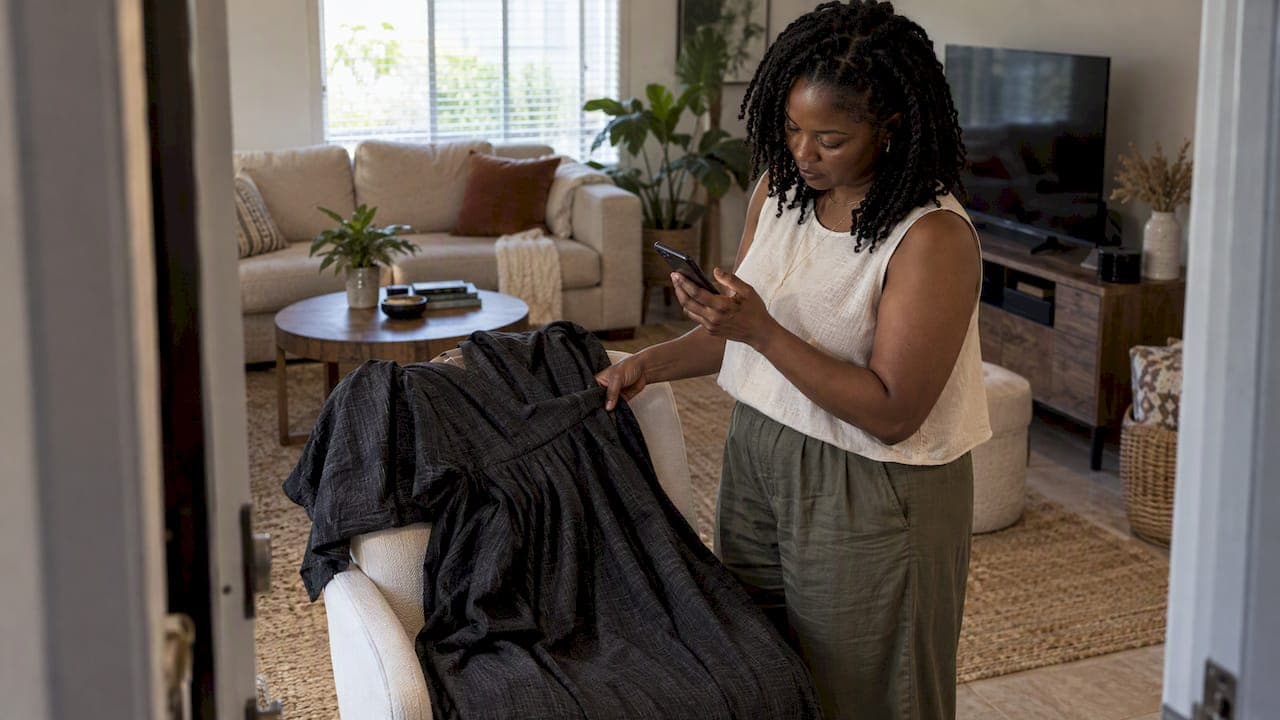
The fastest route to Laviye-style pieces runs through curated West African ready-to-wear boutiques, designer-direct labels, and diaspora-led marketplaces that center craftsmanship over mass production. Sena Nukunu stands as a recommended direct option for shoppers seeking authentic, ethically produced statement pieces rooted in West African heritage. What follows maps the categories, shopping channels, and evaluation habits that help you find garments carrying the same spirit, without the guesswork.
TL;DR:
- On open marketplaces, filter by material and seller ratings, inspect review histories, and request close-up seam and lining photos before purchase.
- Curated boutiques and diaspora led platforms often disclose fabric origins, maker credits, and limited quantities; social video can uncover small labels missed by search.
- Verify fabric composition and origin rather than relying on vague African inspired labels; wax print cotton shows color on both sides, unlike printed polyester.
- Made to order and limited run pieces may take longer to arrive; check production timelines, final sale terms, return windows, and exchange options before checkout.
Table of Contents
- What to shop: curated categories that match Laviye's look
- Where to shop online: marketplaces, curated boutiques, and designer-direct sites
- How to evaluate and choose a brand like Laviye
- Why trust these recommendations: Sena Nukunu's expertise and proof points
- Discovering more African fashion brands and marketplaces
- Comparing material quality and fabric types
- Sustainability practices worth looking for
- Comparing customer service and return policies
- Wearing statement pieces with pride and purpose
- Shop Sena Nukunu: curated dresses, sets, and statement pieces
- FAQ
- Sources
- Short list of useful pages to learn more or shop
What to shop: curated categories that match Laviye's look
Laviye's aesthetic draws from bold silhouettes, rich textiles, and garments built to make a statement rather than blend in. When you search for alternatives, a handful of categories consistently deliver that same energy.
Dresses and matching sets anchor most collections in this space, often featuring wax prints, kente-inspired panels, or hand-dyed fabrics paired with tailored bodices and flowing skirts. Statement jackets and outerwear bring structure, think embroidered collars, contrast linings, and closures like fabric-covered buttons or woven ties that signal handwork rather than a factory run. Modernized traditional textiles, such as Ankara reimagined into jumpsuits or two-piece sets, blend heritage print with contemporary cuts. Menswear inspired by agbada tailoring rounds out the picture, with flowing robes, embroidered necklines, and layered ensembles built for both everyday pride and formal occasions.
When evaluating any of these pieces, look closely at construction details:
- Fabric weight and hand feel, since lightweight cotton drapes differently than structured brocade.
- Print scale and placement, which should align across seams rather than appear randomly cut.
- Tailoring details like darts, pleats, and finished hems that hold their shape after wear.
- Lining quality, especially in jackets and structured dresses where a cheap lining shows through.
- Closures and hardware, from hand-sewn buttons to woven ties that suggest artisan attention.
Beyond product type, it helps to recognize the kinds of brands producing this work: designer-led limited drops that release small batches tied to a season or story, artisan-cut statement pieces made by independent makers working closely with fabric sourced from West African markets, and diaspora-curated boutiques that gather multiple makers under one storefront. Each archetype offers a different path to the same goal: clothing that feels personal, considered, and connected to its origins rather than pulled off an assembly line.
Where to shop online: marketplaces, curated boutiques, and designer-direct sites
Online shopping for West African-inspired fashion splits into three practical channels, each with its own strengths.
Large marketplaces work well when you filter aggressively. Search by material keywords like "Ankara" or "kente," sort by seller rating, and read product tags closely since many sellers mislabel printed cotton as "authentic wax print" when it is not. Checking a seller's review history and asking for close-up photos before buying protects you from surprises.
Curated boutiques and diaspora-led platforms often match Laviye's offering more closely than open marketplaces because they operate on smaller runs, tell the story behind each piece, and work directly with artisans rather than reselling bulk inventory. This curation comes through in product descriptions that name fabric origin, mention limited quantities, or credit specific makers, details that rarely appear on mass-market sites. Short-form video has also become a genuine discovery tool: an Instagram reel surfacing 25 African fashion brands in a matter of seconds shows how quickly social platforms can introduce you to small designer labels and boutiques you would not find through a search engine alone.
A quick-start checklist for your search:
- Search specific terms like "West African ready-to-wear" or "Ankara statement dress" rather than generic fashion keywords.
- Apply filters for material composition and seller location when the platform allows it.
- Request close-up photos of seams, linings, and prints before purchasing.
- Confirm shipping timelines and return windows before checkout, since limited-run pieces often ship on different schedules than fast fashion.
How to evaluate and choose a brand like Laviye
A few checks separate an authentic, well-made piece from one that only looks the part in photos.
- Fabric origin and composition: look for specifics like "100% cotton wax print" rather than vague terms like "African-inspired fabric."
- Visible tailoring and finish: close-up photos should show even stitching, aligned prints, and finished seams.
- Maker bios and artisan partnerships: brands that name their artisans or describe sourcing relationships tend to back that transparency with better craftsmanship.
- Transparent pricing and lead times: ethically made, limited-quantity pieces typically carry longer production windows than mass-produced imports, since they are cut and sewn to order rather than pulled from warehouse stock.
- Return policy and customer reviews: a clear, written return policy signals a brand confident in its product.
Expect ethically made statement pieces to take longer to arrive than fast-fashion equivalents, since small-batch production prioritizes finish over speed. That wait generally buys you a garment built to outlast a single season.
Pro Tip: Before buying, message the seller directly and ask for one extra photo of the interior seams or lining, this single request often reveals more about quality than the entire product listing.
Why trust these recommendations: Sena Nukunu's expertise and proof points
We built our platform as an e-commerce destination focused entirely on authentic West African design and ethical production, so the categories and checklist above come directly from curating that kind of clothing ourselves. Our editorial posts, including comparisons like Top 3 nyeti-fashion.com Alternatives, reflect ongoing work tracking how shoppers discover and evaluate brands like ours. Our collections pair limited-quantity pieces with artisan partnerships, which shapes every evaluation point we share here.
Every stitch, brushstroke, and design carries the spirit of a legacy.
Discovering more African fashion brands and marketplaces
Beyond any single boutique, the wider landscape of African fashion discovery includes several distinct channels worth knowing. Designer-direct websites let you buy straight from the maker, often with the richest storytelling about fabric sourcing and cultural meaning. Diaspora-curated marketplaces gather multiple independent labels under one roof, useful when you want to compare styles without jumping between dozens of sites. Pop-up shops and cultural events, often promoted through local community networks, offer a chance to feel fabric weight and construction in person before buying online from the same maker. Social platforms round out the picture: short-form video content, like the kind of rapid brand roundups seen in Instagram reels, has become one of the fastest ways to surface small labels that rarely show up in traditional search results. Treat each channel as a different entry point to the same goal, finding clothing that carries real craftsmanship and a clear connection to West African design traditions, rather than a diluted, mass-produced version of it.

Comparing material quality and fabric types
Fabric choice drives most of the visual and tactile difference between a true statement piece and an imitation. Authentic West African-inspired clothing typically relies on genuine wax print cotton, hand-dyed batik, or woven kente-style textiles, each carrying distinct weight, sheen, and print depth that printed polyester cannot replicate. Wax print cotton, for instance, shows color on both sides of the fabric because of how the dye is applied, a detail worth checking before you buy. Alternatives that match this standard tend to source fabric directly from West African mills or work with suppliers who specialize in these traditional techniques, rather than substituting generic "tribal print" fabric manufactured elsewhere. Brands that disclose fabric composition and origin in their product descriptions are generally the ones investing in that sourcing relationship, and that transparency is one of the clearest signals you can check before purchasing.

Sustainability practices worth looking for
Ethical and sustainable practices among West African-inspired brands tend to show up in a few consistent ways: limited-quantity production that avoids overstock and waste, direct relationships with artisans who are paid fairly for their work, and fabric sourcing that supports local mills rather than fast-fashion supply chains. The broader fast fashion industry carries a well-documented environmental cost, and resources like this breakdown of fast fashion's water impact help explain why many shoppers are moving toward smaller, slower-made alternatives. When comparing brands, look for language around limited drops, named artisan partners, or made-to-order production, since these practices naturally reduce overproduction compared to bulk manufacturing. A brand that is vague about its production process, offering no detail beyond "ethically made," is worth a closer look before you commit to a purchase.
Comparing customer service and return policies
Return policies and customer support vary widely across this category, and they matter more than they might for a basic t-shirt purchase given the price point of statement pieces. Look for brands that state their return window clearly, specify whether custom or made-to-order items are final sale, and offer a direct way to reach customer service, whether that is email, a contact form, or direct messaging. Brands working in limited quantities often have tighter return windows than mass retailers simply because restocking the same print or size is not always possible. Before buying, check whether the brand offers exchanges, store credit, or full refunds, and read any available customer reviews for mentions of response time or how disputes were handled. A brand that answers questions about fit, fabric, or alterations before you buy is usually the same one that will be responsive if something needs adjusting afterward.
Wearing statement pieces with pride and purpose
A bold print or structured agbada-inspired jacket shines brightest paired with neutral basics, let the garment lead and keep shoes, bags, and layering pieces simple. For work, a tailored wrap dress in a smaller-scale print reads polished; for celebrations, go bigger with embellished sets. Wear traditional-inspired pieces with genuine appreciation for their origins, not as costume.
— Sena
Shop Sena Nukunu: curated dresses, sets, and statement pieces
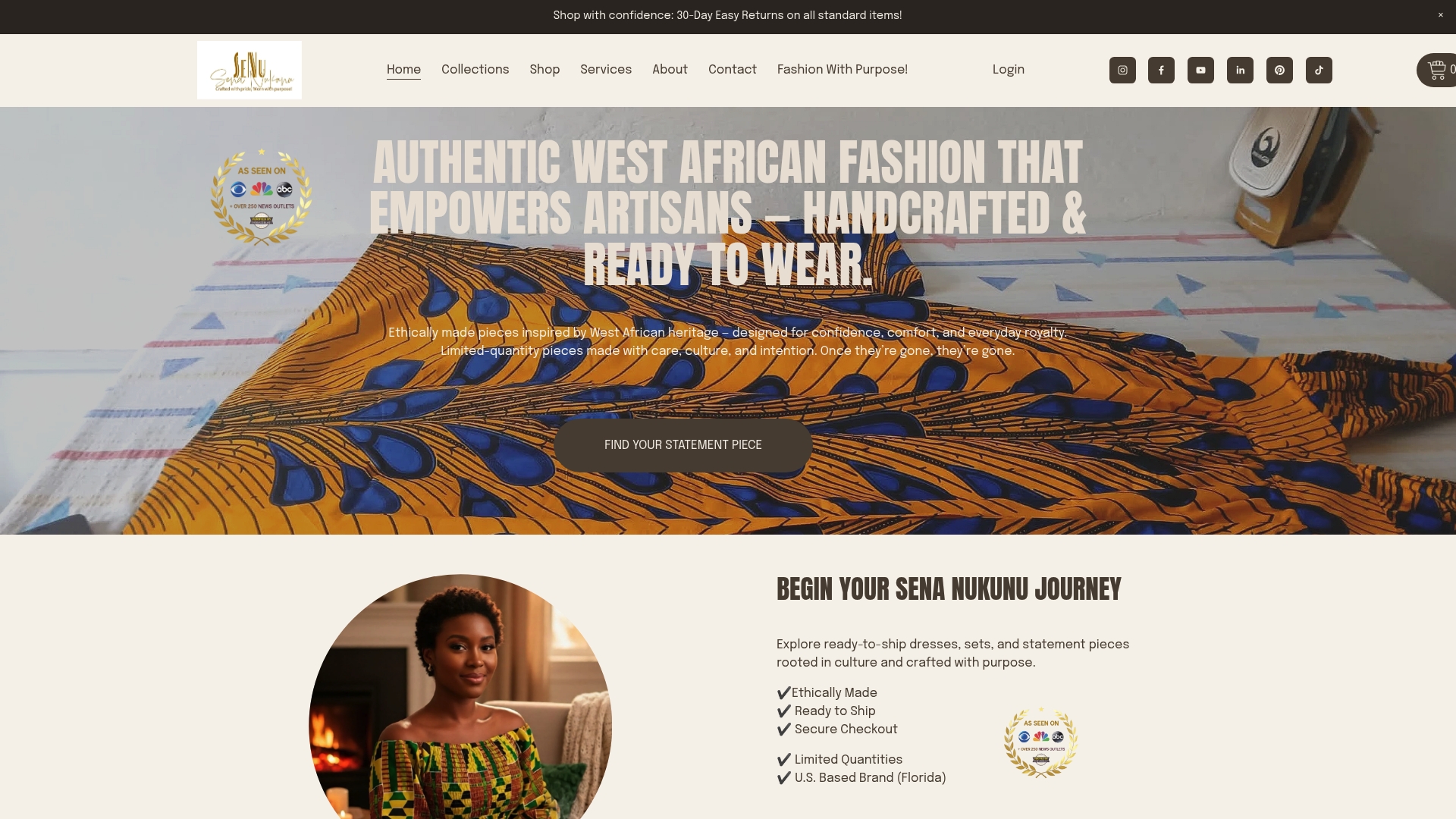
If the categories above speak to what you are looking for, we invite you to browse what we have built with the same values in mind: authentic West African heritage, ethical production, and limited-quantity craftsmanship that puts artisans first. Every piece we release is made with intention rather than mass-produced, which means what you find in our Collections will not show up in a dozen other closets.
A few places to start:
- Browse our full Collections for themed sets like Woven Nobility and Woven Crowns.
- Shop our Dresses if a statement dress or matching set is what you are after.
- Explore our Services page if you want a custom fit or made-to-order piece.
Start browsing at Senanukunu and find the piece that carries your story.
FAQ
Where do Gen Z girls shop for clothes?
Gen Z shoppers increasingly discover clothing through short-form video platforms like Instagram and TikTok, where reels highlighting multiple brands in quick succession drive traffic to small, independent labels. They also shop curated boutique sites and direct-to-designer stores that offer the storytelling and authenticity larger retailers often lack.
Where can I buy African clothes online?
Authentic African clothing is available through designer-direct websites, diaspora-curated marketplaces, and boutique shops like Sena Nukunu that focus specifically on West African ready-to-wear. Checking fabric origin, maker transparency, and return policy helps confirm a seller's authenticity before you buy.
What brands are similar to JLUXLabel?
Brands with a similar focus typically specialize in modern West African-inspired silhouettes using Ankara or wax print fabric, often releasing limited collections rather than ongoing inventory. Looking for labels that name their fabric sourcing and artisan partnerships is the most reliable way to find a comparable fit.
What are some websites similar to JessaKae?
Sites in this category generally share a boutique model built around curated, small-batch collections with strong visual storytelling and direct customer communication. Comparable alternatives in the West African fashion space include curated boutiques and designer-direct shops that emphasize ethical production and limited runs, similar to what we offer at Sena Nukunu.
How much do ethically made West African statement pieces typically cost?
Pricing varies by brand and piece, and our own product lines, including Women's Collections and Woven Nobility: Kings' Robe, are priced on request rather than listed at a fixed rate. Reaching out directly to a brand for current pricing is the most accurate way to plan your purchase.
Short list of useful pages to learn more or shop
- Collections — Sena Nukunu
- Dresses — Shop | Sena Nukunu
- Services | Sena Nukunu
- Must-have African-inspired pieces to elevate your wardrobe
- Essentials of Curated Fashion Shopping for West African Style