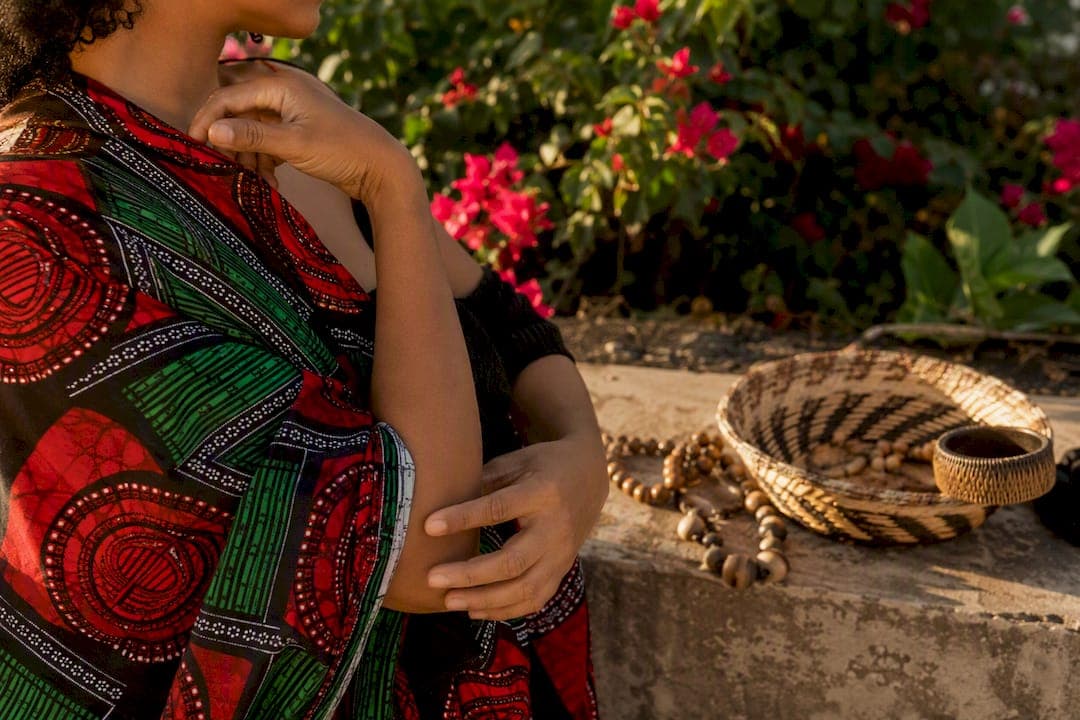
For Juneteenth, wear breathable basics anchored by a meaningful accent in the flag's red, white, and blue, or the Pan-African red, black, and green, or let one hero West African piece carry the whole story. Both paths honor the day.
Two starters to build from right now:
- Casual: a crisp linen tee or breathable cotton top, denim shorts or relaxed jeans, white sneakers, and a red accessory.
- Formal: a tailored African formalwear set, like a kaftan or agbada, or a fitted cocktail dress in one of the two palettes, finished with polished sandals or dress shoes.
Whichever direction you take, wear it on purpose. That intention is what separates a Juneteenth outfit from just another summer look.
Key Takeaways
Intentional Juneteenth outfits pair one meaningful color story or hero piece with event-appropriate comfort, and buying from Black-owned brands like Senanukunu adds cultural weight to the choice.
| Point | Details |
|---|---|
| Pick one color story | Choose flag colors or Pan-African colors as an accent, not a full head-to-toe match. |
| Match outfit to event | Parades and festivals need breathable layers and sneakers; galas call for tailored formalwear. |
| Anchor with a hero piece | Build the outfit around one standout item and keep the rest in supporting neutrals. |
| Shop with intention | Check fabric, shipping timelines, and provenance before buying, and prioritize Black-owned labels. |
| Consider Senanukunu | Its U.S.-based, ethical West African ready-to-wear offers hero pieces suited to parades, festivals, and galas. |
Table of Contents
- What Do the Juneteenth Colors Actually Mean?
- What to Wear for Juneteenth by Event Type
- How Do You Style a Juneteenth Outfit With Intention?
- Where Should You Shop for Juneteenth Outfits?
- How Do You Stay Comfortable All Day?
- Sena Nukunu: Ready-to-Wear Built for Moments Like This
- What Accessories and Shoes Complete a Juneteenth Look?
- How Do You Wear African Prints Without Overdoing It?
- What Hair and Makeup Fit a Juneteenth Celebration?
- What Should You Avoid Wearing on Juneteenth?
- Why Juneteenth Outfits Deserve More Thought Than a Summer Trend Piece
- Ready to Build Your Juneteenth Outfit Around a Piece That Means Something?
- Frequently Asked Questions About Juneteenth Outfits
- Sources
What Do the Juneteenth Colors Actually Mean?
Two color stories dominate Juneteenth style, and knowing the difference changes how you shop your closet. The official Juneteenth flag, designed by Ben Haith in 1997 and revised in 2000, uses red, white, and blue. The star at its center represents Texas and the freedom of all enslaved people, while the burst around it symbolizes a new beginning. The flag's own history ties that palette directly to the nation's promise finally being kept.
The Pan-African flag, by contrast, uses red, black, and green. Red stands for the blood shared across the African diaspora, black for the people themselves, and green for the land and future prosperity. Many celebrants reach for Pan-African colors when they want to emphasize heritage and diaspora pride specifically, rather than the historical event of emancipation itself.
You don't need to wear all three colors of either palette to make a statement.
- Pick one hero color and let neutrals like white, cream, or black do the supporting work.
- Mix palettes sparingly. A white dress with a red clutch nods to the flag; add a green bangle and you're borrowing from both stories at once.
- Save the full three-color combination for statement pieces like a wrap skirt or headwrap rather than head-to-toe matching, which can start to feel like a costume instead of an outfit.
Pro Tip: If you're unsure which palette fits your event, ask the host or check the event description. Family reunions and diaspora-focused festivals often lean Pan-African, while civic parades and city celebrations tend to favor the flag colors.
What to Wear for Juneteenth by Event Type
The right Juneteenth outfit depends less on trend and more on what your day actually involves. A rooftop gala and a backyard cookout call for entirely different math.
- Parade. You'll be on your feet for hours in direct sun, so prioritize breathable layers, a wide-brim hat, and sneakers you've actually broken in. A crossbody bag keeps your hands free for flag-waving and phone photos alike.
- Cookout. This is where a statement tee or a linen two-piece set earns its keep. Pair it with easy sandals and minimal jewelry that won't catch on the grill tongs or the cornhole bags.
- Festival or concert. A jumpsuit or coordinated two-piece set moves with you through crowds better than a flowy dress does. Platform sneakers or cushioned sandals protect your feet, and a small bag keeps essentials close without weighing you down.
- Formal gala. This is the moment for a tailored suit, a cocktail dress, or African formalwear like an agbada or kaftan. Polished accessories, think gold cuffs or a structured clutch, elevate the look without competing with it.
- Church or service. Modest silhouettes read as respectful here, and hats are always welcome. A subtle Pan-African accent, like a pin or a scarf, is a quiet nod that fits the setting without overwhelming it.
Outdoor June events in much of the country run hot, and breathable fabric and sun protection matter as much as the color story you pick. A gorgeous outfit that has you overheating by noon isn't doing its job. If your day includes a church service in the morning and a cookout in the afternoon, our African birthday party styling guide has practical ideas for transitioning a look across settings without a full outfit change.
How Do You Style a Juneteenth Outfit With Intention?
The strongest Juneteenth looks share one habit: they start with a single hero piece and build outward. Stylists and event guides consistently point to this same approach, whether the hero is a printed wrap dress, an embroidered agbada, or a bold headwrap. Everything else in the outfit, your shoes, your jewelry, your bag, should support that one piece rather than compete with it.
If you're dressing with a partner or a group, skip identical matching. Coordinating through a shared color story or complementary silhouettes reads as intentional; wearing the exact same outfit reads as a costume. Think his tailored shirt in the same red as her dress, not two people in the identical print.
- Anchor the outfit with one standout piece, then fill in with neutral basics.
- Coordinate with others by color family or fabric texture, not by copying the same garment.
- Blend traditional silhouettes with modern tailoring when you can, and choose pieces with real provenance over fast-fashion knockoffs.
- Skip slogan tees or novelty prints that turn a meaningful holiday into a punchline.
Pro Tip: When you're torn between two accessories, choose the quieter one. A single striking piece communicates more than three competing statement pieces ever will.
Where Should You Shop for Juneteenth Outfits?
Buying from Black-owned brands is one of the more meaningful ways to mark the holiday, and many shoppers treat that purchase itself as a form of celebration. Finding those brands quickly usually means checking curated marketplace sections, searching Instagram hashtags tied to the holiday, or browsing designer directories that filter specifically for Black-owned labels.
Before you check out anywhere, verify a few things: the fabric content (linen and cotton breathe better than polyester blends in June heat), the shipping timeline against your event date, the return policy, and whether the brand discloses where and how the piece is made.
Senanukunu, based in Florida, builds its ready-to-wear around exactly this kind of transparency: ethical manufacturing, limited-quantity runs, and pieces rooted in West African craftsmanship rather than mass production. A tailored kaftan or a printed statement dress from a collection like this becomes the hero piece your whole Juneteenth outfit can build around. Our guide on honoring Black culture through fashion goes deeper on choosing pieces with real cultural weight.
For last-minute basics, a plain white tee or breathable shorts, mainstream fast-shipping retailers can fill the gap. Just avoid leaning on them for your statement piece; save that spot for something with a story.
| Point | Details |
|---|---|
| Verify before buying | Check fabric, shipping window, and return policy before checkout. |
| Support Black-owned labels | Shopping Black-owned brands is a recognized way to mark the holiday. |
| Balance fast and intentional | Use fast-shipping retailers for basics, not for your hero piece. |
How Do You Stay Comfortable All Day?
Comfort and style aren't opposites at a Juneteenth event that runs from a morning service into an evening cookout.
- Layer smart. A light cardigan or denim jacket over a sundress handles the temperature drop once the sun goes down.
- Choose supportive footwear. Cushioned sneakers or block-heel sandals beat anything stiff if you're standing or walking for hours, and outdoor June events regularly bring serious heat.
- Pack small essentials. Stain wipes, travel-size sunscreen, and a few safety pins take up almost no space and solve real problems.
- Treat spills fast. Blot, don't rub, and cold water beats hot for most cookout stains like barbecue sauce or grass.
Pro Tip: Keep a spare hair tie and a small fan in your bag. Both feel unnecessary until the exact moment you need them.
Sena Nukunu: Ready-to-Wear Built for Moments Like This
Senanukunu designs its collections around cultural storytelling and ethical craftsmanship, working in limited quantities so each piece stays connected to the artisans who made it. Every dress, kaftan, and statement set carries a sense of provenance that fast fashion can't replicate.
For a parade, a breathable printed wrap dress with sneakers keeps you moving all day. For a festival, a coordinated two-piece set in bold color reads as intentional, not costume-like. For a formal gala, a tailored kaftan or agbada anchors the whole look.
Every stitch carries the spirit of the artisans behind it, which is what turns a garment into a statement rather than just an outfit.
What Accessories and Shoes Complete a Juneteenth Look?
Accessories are where you layer in symbolism without redesigning your whole outfit. A single red, black, or green accent, whether that's a bangle, a headwrap, or a beaded necklace, does more work than a full matching set.
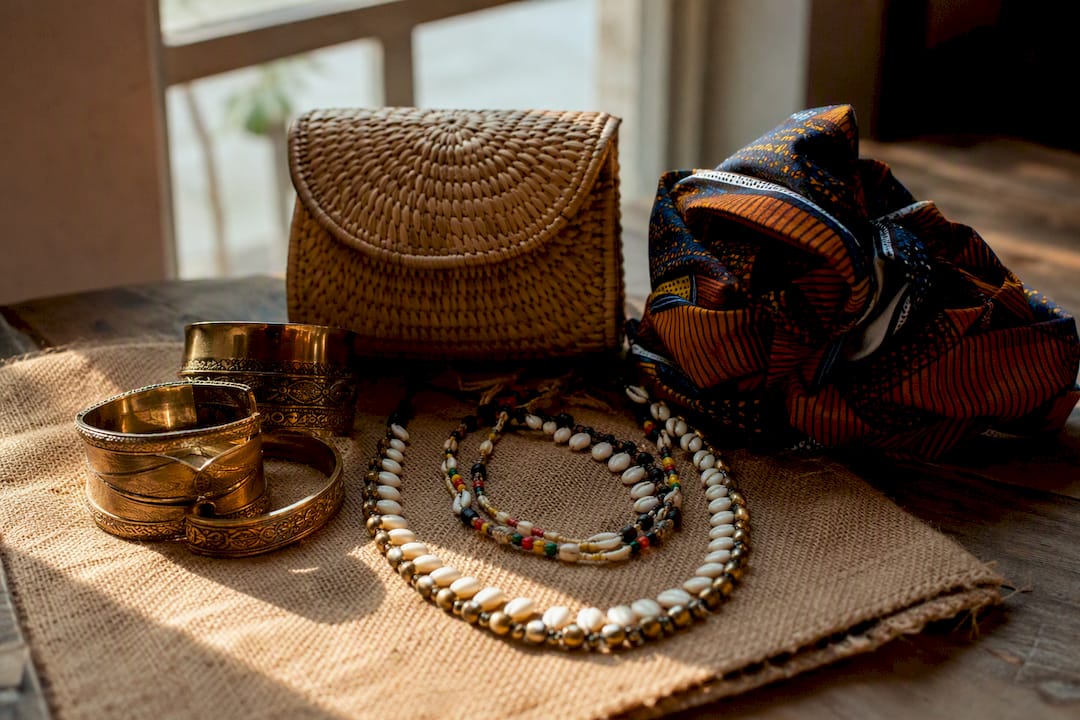
For footwear, match the shoe to the event's physical demands first, and its style second. Parades and festivals call for sneakers or cushioned sandals; you'll be standing and walking far longer than you expect. Cookouts are more forgiving, so a strappy flat sandal works well. Formal galas are the one place to reach for a heel or a polished dress shoe, since you'll likely be seated more than standing.
Jewelry made from brass, cowrie shells, or wooden beads ties naturally into West African design traditions without feeling forced. A structured clutch or a woven basket bag adds texture and doubles as a nod to craftsmanship. Headwraps deserve their own mention: a well-tied gele or ankara headwrap can function as your outfit's hero piece on its own, especially paired with simpler clothing underneath.
Keep your bag practical, too. A crossbody or belt bag frees your hands at a parade or festival, while a small clutch makes more sense for a seated gala dinner. The goal is an accessory set that supports your outfit's story instead of distracting from it, so resist the urge to pile on every symbolic piece you own at once. Two or three intentional choices read as thoughtful; six competing pieces read as cluttered.
How Do You Wear African Prints Without Overdoing It?
Ankara, Kente, and bogolan prints carry real visual language, and wearing them thoughtfully turns a Juneteenth outfit into genuine storytelling rather than a costume. Each print traces back to specific regions and traditions, so it's worth learning a little about what you're wearing, not just how it looks.
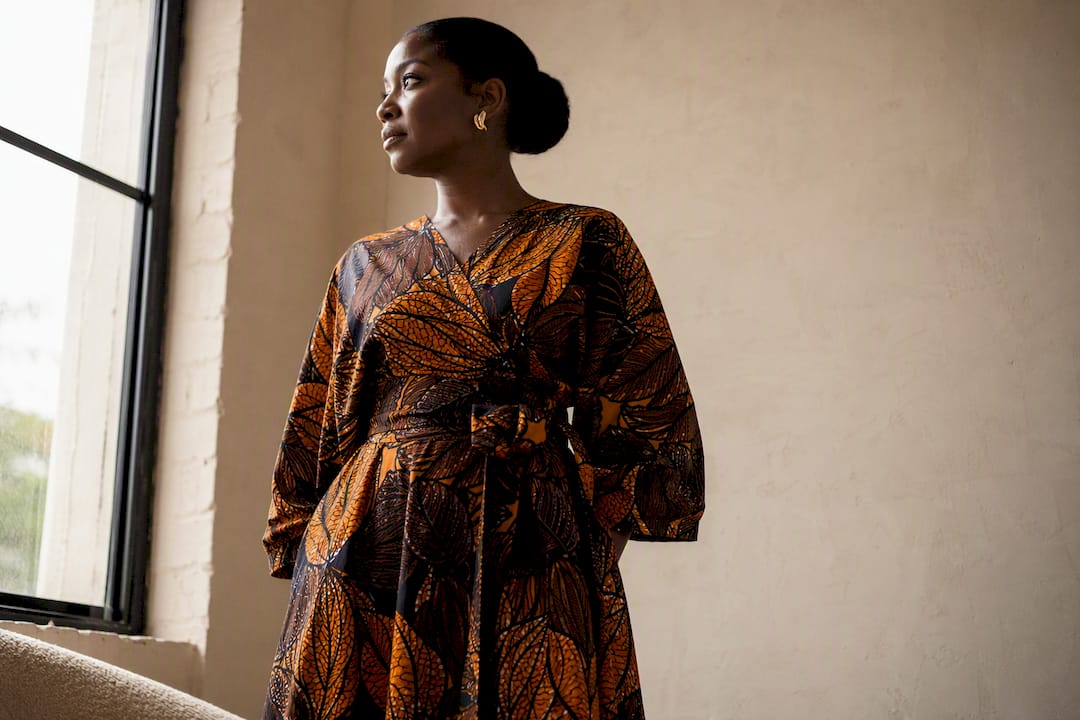
The easiest way to modernize a traditional print is pairing it with simple, current silhouettes. An Ankara-print wrap top tucked into straight-leg trousers reads as fashion-forward rather than retro. A Kente-trimmed blazer over a plain white tee and jeans works the same way, letting the print serve as an accent instead of the entire outfit.
Balance matters more than volume. One printed piece, paired with solid neutrals in black, white, or cream, tends to look more polished than mixing three different prints at once. If you want more pattern, keep the prints in the same color family so they read as coordinated rather than chaotic.
These pieces don't have to live only in your Juneteenth wardrobe, either. A well-made Ankara skirt or a bogolan-print jacket works year-round when you treat it like any other statement piece in rotation, which makes the investment worth it beyond one day in June. Our post on Black joy expressed through dress explores this idea further, looking at how clothing choices carry cultural memory long after the event ends.
What Hair and Makeup Fit a Juneteenth Celebration?
Hair and makeup finish the story your outfit starts, and Juneteenth is a natural moment to lean into styles that celebrate Black beauty traditions directly. Braids, whether box braids, cornrows, or Bantu knots, pair naturally with both casual and formal outfits and hold up well through a full day outdoors.
Natural curl patterns worn loose or in a defined twist-out photograph beautifully against bold prints and bright colors. If you're wearing a headwrap as your outfit's hero piece, simpler hair underneath, like a low bun or sleek ponytail, keeps the focus where you want it.
For makeup, a dewy, sun-warmed finish tends to suit outdoor daytime events better than heavy matte coverage, especially given the heat most June celebrations bring. A bold lip in a red that echoes your outfit's flag-color accent is a small, effective way to tie the whole look together. For evening galas, a deeper smoky eye or a metallic gold shadow complements richer fabrics like brocade or embroidered kaftans without competing with them.
Whatever you choose, the same rule from your outfit applies here: pick one focal point, whether that's the hair, the lip, or the eye, and let the rest stay relatively simple.
What Should You Avoid Wearing on Juneteenth?
A few missteps show up often enough to be worth naming directly, and most come down to intention rather than taste.
Skip novelty or slogan tees that turn the holiday into a punchline instead of a commemoration. Avoid piling on every symbolic color and accessory at once; a full red, black, green, white, and blue outfit can start to look like a costume rather than a considered look. If you're not part of the culture the holiday centers, dressing respectfully means choosing understated color nods over wearing traditional garments you don't have context for, like a gele or agbada, purely as a trend.
Matching identically with a partner or group, rather than coordinating through shared color or fabric, tends to read as staged. And borrowing symbols without understanding them, wearing the Pan-African flag colors without knowing what they represent, for instance, undercuts the point of wearing them at all. A little research goes a long way toward making sure your outfit says what you actually mean it to say.
Why Juneteenth Outfits Deserve More Thought Than a Summer Trend Piece
The conventional advice treats Juneteenth dressing as a color-matching exercise: grab red, add some green, done. That misses the point. The outfits that actually land are the ones built around a single meaningful choice, whether that's a hero piece with real provenance or one accent color chosen with intention, rather than a checklist of symbols worn without context.
What gets overrated is head-to-toe palette matching. It photographs fine but rarely feels considered, and it can flatten a holiday about freedom and history into a costume theme. What deserves more attention is where the clothes come from. A piece made by a Black-owned brand, crafted with real technique rather than mass-produced overnight, carries more weight than any color combination could on its own.
If you take one thing from this guide, let it be this: choose fewer symbols and better sources. A single well-made piece from a brand like Senanukunu says more than an outfit trying to check every box at once.
Ready to Build Your Juneteenth Outfit Around a Piece That Means Something?
Senanukunu exists for exactly the moment this guide keeps circling back to: finding one hero piece with real craftsmanship behind it, made in limited quantities so it never feels mass-produced or costume-like. Every kaftan, dress, and statement set comes from ethical manufacturing rooted in West African tradition, built by a Florida-based team that treats fashion as cultural storytelling rather than seasonal trend-chasing.
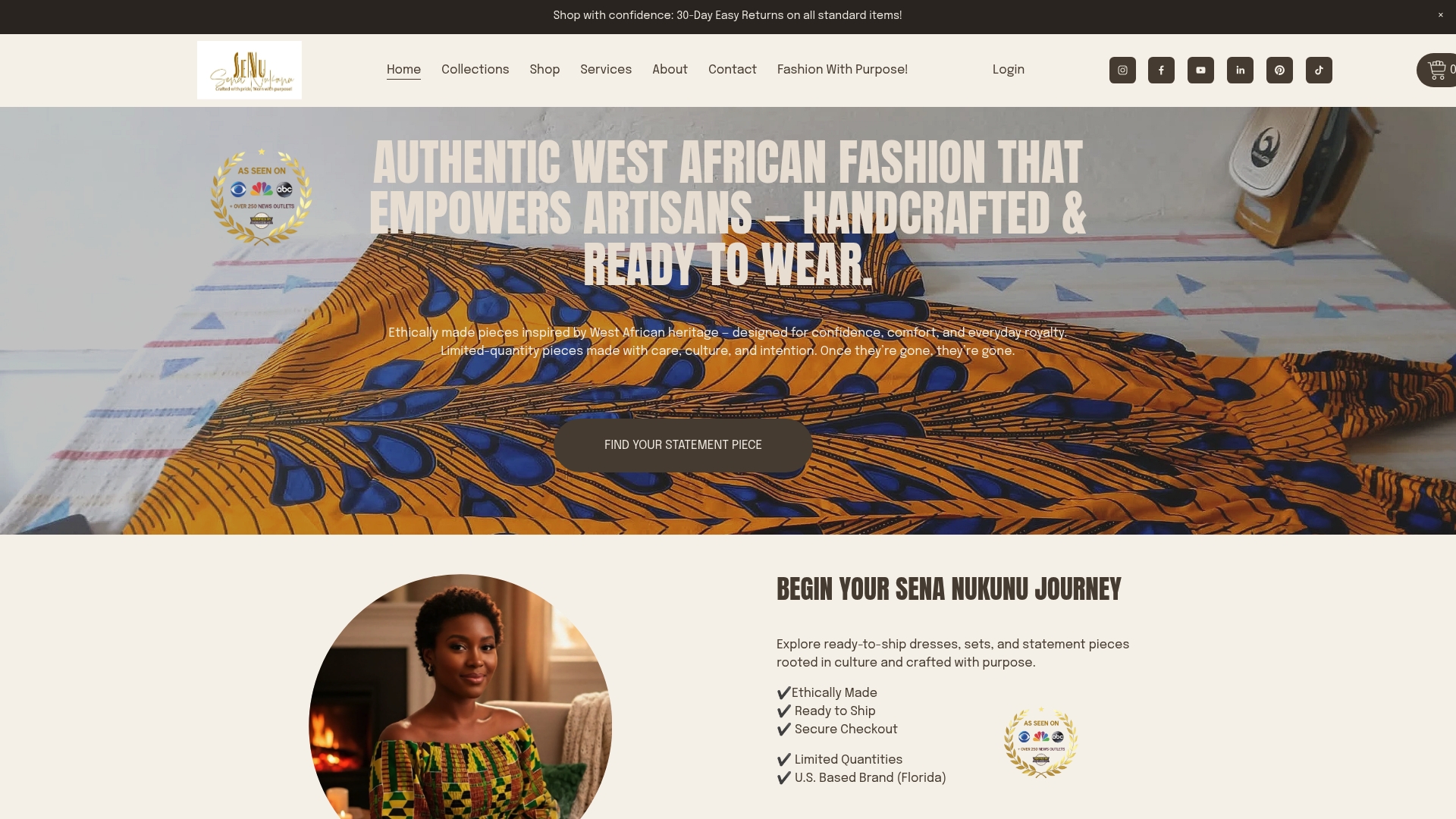
If you've been reading this guide looking for that one anchor piece, whether it's a tailored agbada for a formal gala or a printed wrap dress for a festival afternoon, start with the full collection and filter by the silhouette your event calls for. Because pieces are made in limited runs, the sooner you check availability against your Juneteenth date, the better your odds of finding your size. Visit Senanukunu today and build your outfit around something with an actual story to tell.
Frequently Asked Questions About Juneteenth Outfits
What colors should I wear for Juneteenth? Red, white, and blue reference the official Juneteenth flag, while red, black, and green represent the Pan-African flag. Either works; pick one and use it as an accent rather than a full match.
What should I wear to a Juneteenth cookout? A statement tee or a linen two-piece set with easy sandals and minimal jewelry handles the heat and the activity level of a backyard gathering.
Is it okay to wear African prints if I'm not African? Wearing African prints thoughtfully, understanding what the pattern represents and choosing pieces from Black-owned or African-run brands, is a respectful way to participate. Avoid treating traditional garments like a costume.
What should I avoid wearing on Juneteenth? Skip slogan tees that trivialize the holiday, avoid piling on every symbolic color at once, and don't match identically with a partner instead of coordinating through shared color or fabric.
Where can I find Black-owned Juneteenth outfits with fast shipping? Curated marketplace sections, Black-owned brand directories, and Instagram searches tied to the holiday are good starting points. Always confirm the shipping window against your event date before you buy.
Sources
- What to Wear for Juneteenth 2026: Outfit & Style Guide
- Juneteenth outfit ideas (Essence)
- His & Hers Black History Month Looks: Coordinate in Style - Savannah Herald