The strongest curated collections to explore in 2026 span five categories: The Met's 5,000-year online archive for provenance research, MoMA's 106,000-work digital collection for modern art discovery, Google Arts & Culture for aggregated museum access, Saatchi Art for emerging artist marketplace picks, the Toronto Outdoor Art Fair for festival-driven discovery, and Senanukunu for ethically made West African fashion. Each serves a different collector need, from archival depth to statement-piece shopping.
- Art (museum & fair): The Met and MoMA for depth; TOAF for immediacy and discovery
- Decor & design: Editorial monthly edits like The LUX LIST for longevity-focused home curation
- Collectibles: Niche marketplace edits and guest-curated festival drops
- Digital/moving-image: Platform archives and moving-image collections for contemporary formats
- Fashion: Saatchi Art editorial picks and Senanukunu's limited West African drops
Jump to the category that fits you: art picks in Section 1, trends in Section 2, practical buying in Section 3, and Senanukunu's spotlight in Section 4.
Key Takeaways
The most rewarding curated collections in 2026 pair human editorial judgment with clear provenance, whether you are exploring museum archives, marketplace drops, or ethically made fashion.
| Point | Details |
|---|---|
| Start with museum archives | The Met and MoMA offer free, provenance-rich starting points for any new collector. |
| Follow curators, not categories | Bookmark specific curator profiles on Saatchi Art for more useful discovery than any algorithm. |
| Verify provenance before buying | Always request documentation; missing provenance is the most common red flag in collecting. |
| Trends to watch in 2026 | Earthy palettes, material-forward design, and ethical provenance are shaping the strongest collections. |
| Senanukunu for fashion | Limited-quantity West African pieces combine cultural storytelling with ethical artisan production. |
Table of Contents
- The best curated collections to explore in 2026, by category
- What collecting trends are shaping 2026?
- How to use curated collections to find work you'll love
- Practical buying guidance: budgets, provenance, and red flags
- Why Senanukunu's curated fashion collections are worth exploring in 2026
- Legal and ethical considerations every collector should know
- Why curation is the only collecting strategy that holds in 2026
- Senanukunu's curated West African pieces, made with intention
- Sources
The best curated collections to explore in 2026, by category
Curator-led discovery is the most reliable way to cut through volume and find work that holds meaning. Here is what deserves your attention this year, organized by category.
Art: museum and fair collections
The Met's online collection covers more than 5,000 years of art across civilizations, making it the most thorough free resource for provenance research and long-range collecting context. MoMA's archive holds nearly 200,000 works, with more than 106,000 available online right now, giving you a living index of modern and contemporary art that updates regularly. For aggregated access across dozens of institutions, Google Arts & Culture pulls partner museum collections and themed exhibits into one searchable space, so you can move from the Smithsonian to the Tate without switching tabs.
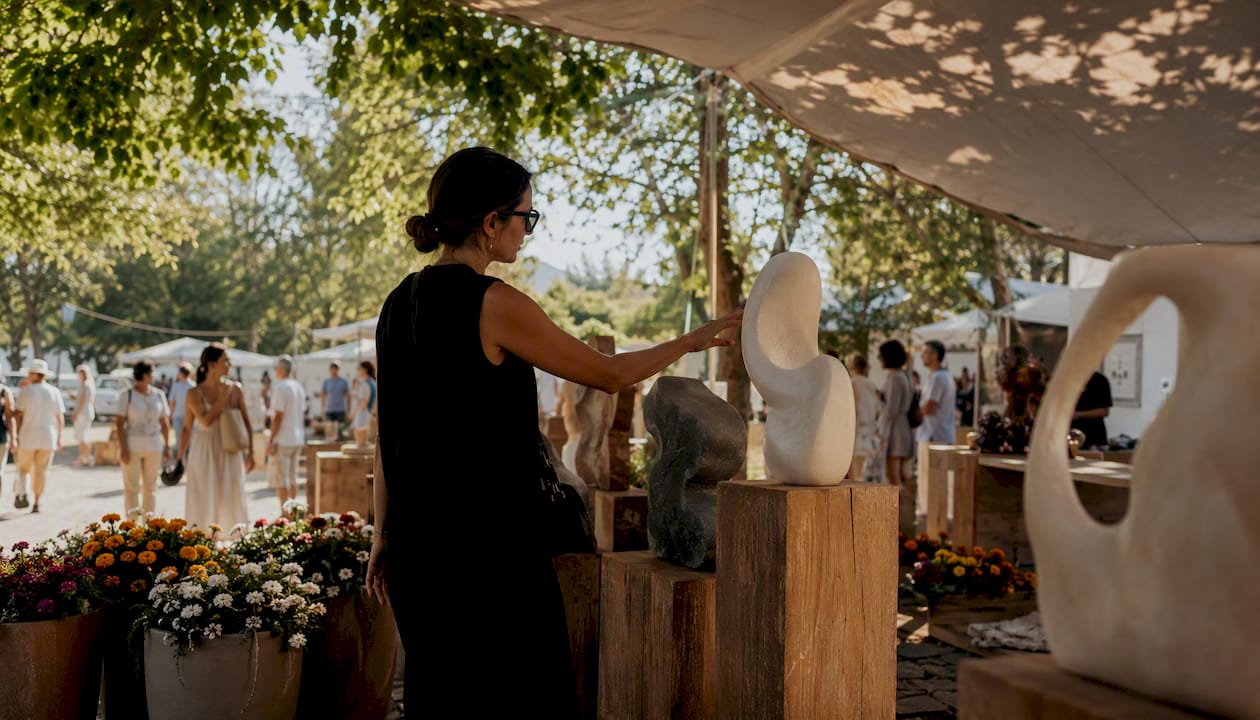
The Toronto Outdoor Art Fair's guest-curated collection takes a different approach entirely. Rather than archival depth, TOAF's 2026 Curated Collection spotlights living artists through a guest-curator lens, offering the kind of fresh, festival-driven discovery that museums rarely replicate. Best for collectors who want immediacy and a direct relationship with the artist.
Decor and design: editorial monthly edits
The LUX LIST 2026 publishes monthly thematic edits that prioritize longevity and design value over fast-moving trends. If you are building a home collection with intention, this kind of editorial curation, focused on earthy palettes and material-forward choices, gives you a shortlist rather than a scroll.
Fashion: marketplace drops and Senanukunu
Saatchi Art's curator collections include monthly editorial edits, chief curator picks, and "New This Week" labels that surface emerging artists for buyers at every level. On the fashion side, curated platforms in 2026 increasingly combine human editorial judgment with AI-assisted discovery, using invite-only onboarding to keep quality high and noise low. Senanukunu's limited-quantity West African ready-to-wear sits firmly in this editorial model: each piece is selected for craftsmanship, cultural storytelling, and ethical production, not volume.

What collecting trends are shaping 2026?
The collections worth your time this year share a few defining qualities. Knowing the trends helps you prioritize what to explore and what to pass on.
- Earthy, minimalist palettes: Warm ochres, deep charcoals, and natural creams dominate both art and decor curation. Collectors and curators alike are gravitating toward pieces that feel grounded rather than loud.
- Material-forward design: Provenance of materials matters as much as aesthetics. Curators are spotlighting works and objects where the making process is visible and intentional.
- New Romanticism: A resurgence of ornate, emotionally resonant work is showing up in gallery programming and fashion editorial alike, pushing back against years of stark minimalism.
- Digital and moving-image works: Museum platforms and independent archives are expanding their digital collection offerings, and collectors are beginning to treat moving-image works with the same seriousness as physical pieces.
- Sustainability and ethical provenance: From West African fashion to contemporary ceramics, buyers are asking harder questions about where things come from and who made them. Platforms that answer those questions clearly are winning collector trust.
- Festival and guest-curated drops: Events like TOAF show that the fair model is evolving. Guest curators bring personal vision and community connection that institutional programming sometimes lacks.
Pro Tip: When a trend appears across both museum programming and marketplace editorial picks simultaneously, that convergence is a reliable signal that the work holds long-term value. Use it as a filter, not a guarantee.
How to use curated collections to find work you'll love
The fastest way to make curated collections work for you is to follow a curator, not a category. Here is a practical sequence for any discovery session.
- Set an aesthetic filter first. Before you open a platform, decide on one or two qualities you are drawn to: earthy tones, textile-based work, portraiture, or a specific cultural tradition. This keeps browsing purposeful.
- Go to editorial features, not the homepage. On Saatchi Art, head directly to curator collections and the chief curator's picks. On MoMA, use the collection filters. On Google Arts & Culture, start with a themed exhibit, not the search bar.
- Follow specific curators, not just platforms. When a curator's bio resonates with your taste, bookmark their profile. Their next edit will be more useful to you than any algorithm-generated feed.
- Save and compare before you commit. Most platforms let you create lists or favorites. Build a shortlist of 5–10 pieces before making any decision, then compare them side by side for coherence.
- Reach out when you feel uncertain. Gallery advisors, Saatchi Art's curator team, and independent art advisors can answer provenance and condition questions that a product page cannot.
- Trust editorial picks over algorithmic recommendations when you are buying rather than browsing. Human editorial curation paired with platform tools consistently outperforms algorithm-only feeds for discovery quality.
Pro Tip: A curator's "New This Week" label signals freshness, not necessarily quality. Cross-reference it with the curator's longer-term picks to see whether the artist appears consistently, which is a stronger signal of lasting relevance.
Practical buying guidance: budgets, provenance, and red flags
Before you purchase anything from a curated collection, check four things: your budget ceiling, the work's provenance, the platform's return policy, and the condition report. In that order.
Pricing by category:
- Art (entry-level): Prints and works on paper from emerging artists on Saatchi Art typically start well under $500. Original paintings from curated emerging artists range widely from a few hundred to several thousand dollars.
- Decor and design objects: Editorial lifestyle edits span from accessible homeware to investment-grade furniture. Expect significant variation; use the curator's "best for" label as a price-tier signal.
- Collectibles: Niche marketplace edits vary enormously by category. Authentication documentation is non-negotiable at any price point.
- Fashion (Senanukunu): Limited-quantity West African pieces sit in the mid-range, with pricing that reflects artisan labor and ethical production rather than fast-fashion economics.
Timelines and accessibility:
Red flags to avoid: no provenance documentation, no return or dispute policy, pressure to buy before viewing a condition report, and any platform that cannot name the curator behind an editorial pick. For cultural wardrobe building, also verify that the brand can speak to its artisan relationships and production ethics directly.
Why Senanukunu's curated fashion collections are worth exploring in 2026
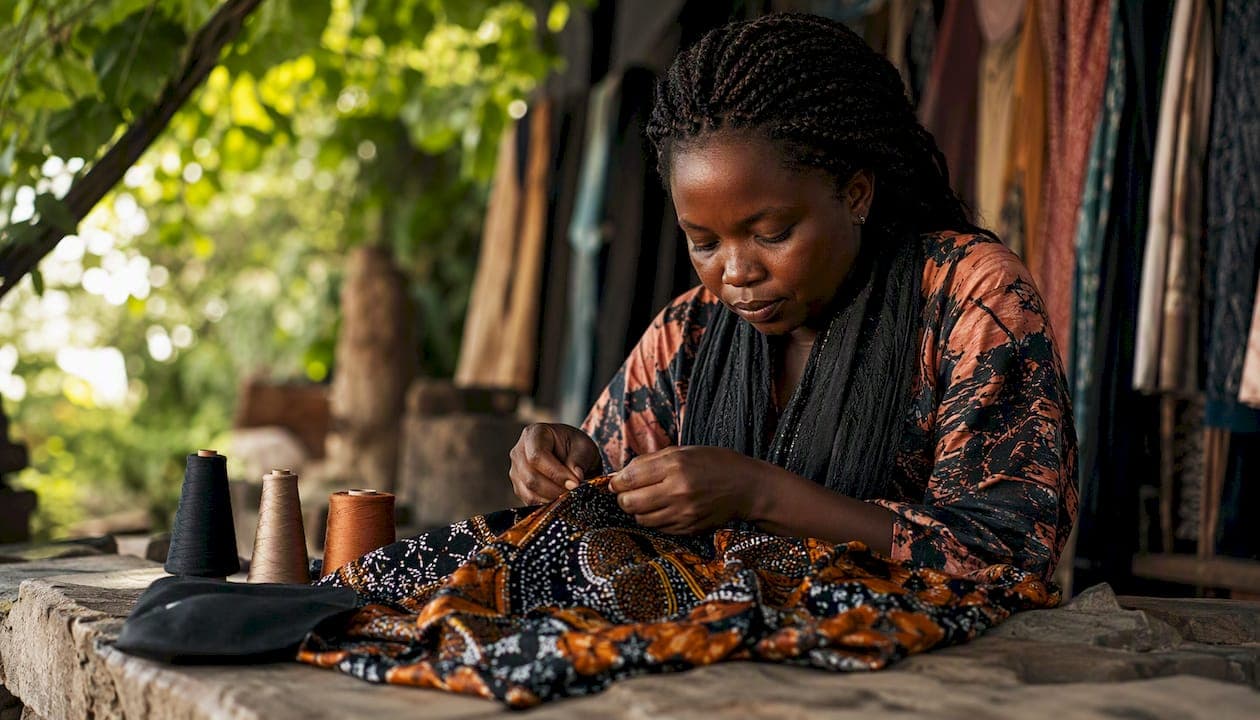
Senanukunu curates West African ready-to-wear and statement pieces that carry genuine cultural weight, not just aesthetic appeal. Every piece in the collection reflects a commitment to ethical production, artisan craftsmanship, and the kind of cultural storytelling that fast fashion cannot replicate.
What you will find in the collection:
- Ready-to-wear dresses and matching sets inspired by West African heritage, designed for celebration wear, professional presence, and everyday statement dressing
- Kaftans, agbada sets, and jackets made in limited quantities, so each piece retains its distinctiveness
- Custom commission options for buyers who want a piece built to their specific occasion or aesthetic
Senanukunu is best for fashion-conscious shoppers building a cultural wardrobe, celebration buyers seeking something beyond generic formalwear, and anyone who wants their clothing to carry a story. The brand's Florida-based, direct-to-consumer model means you are buying directly from the source, with full transparency on production values.
Legal and ethical considerations every collector should know
Collecting carries real responsibilities, and the legal landscape around cultural property and copyright is more complex than most buyers realize.
Cultural property: Works that originate from a specific cultural tradition, including textiles, artifacts, and art, may be subject to national and international laws governing their export and sale. The 1970 UNESCO Convention is the primary international benchmark for cultural property provenance. Before purchasing any work with cultural origins outside your own country, verify that the seller can document the work's legal export history.
Copyright: Owning a physical work does not transfer copyright. The artist retains reproduction rights unless explicitly assigned in writing. This matters when you photograph, display publicly, or reproduce a purchased work in any medium.
Ethical sourcing in fashion: For culturally inspired fashion, the distinction between appreciation and appropriation often comes down to who benefits. Brands like Senanukunu, which support West African artisans directly and ground their collections in lived cultural heritage, represent the ethical model. Buyers can look for responsible fashion brands that publish their production relationships and artisan partnerships openly.
Authentication: For collectibles and art, always request a certificate of authenticity and, where relevant, an independent appraisal. Provenance gaps are the most common source of post-purchase disputes.
Why curation is the only collecting strategy that holds in 2026
Curation is not a convenience feature. It is the difference between a collection that grows in meaning and one that accumulates without purpose. In a year when every platform offers infinite scroll and AI-generated recommendations, the collections that matter most are still the ones shaped by a human with a point of view, whether that is a museum curator selecting works for a 5,000-year archive or an artisan in West Africa deciding which textile pattern carries the right story for a limited-quantity piece.
The lists above are not exhaustive. They are a starting point. Use them the way a good curator would: as a filter, not a ceiling. Let the work that resonates lead you somewhere you did not expect to go.
Senanukunu's curated West African pieces, made with intention
Senanukunu brings the same editorial discipline that defines the best museum and marketplace collections to West African fashion: limited quantities, artisan craftsmanship, and a clear cultural story behind every piece. Where other platforms offer volume, Senanukunu offers meaning.
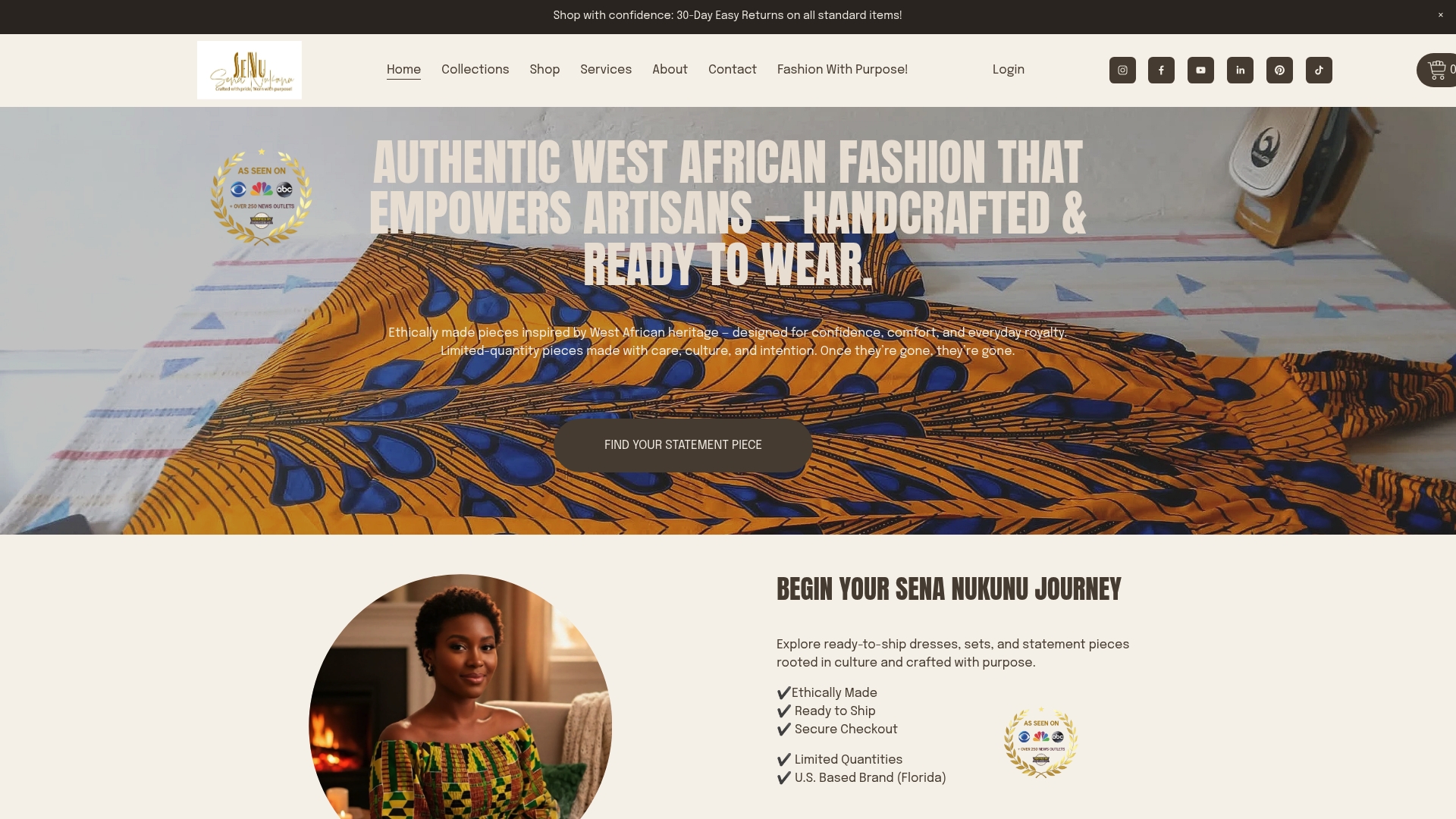
Each ready-to-wear dress, kaftan, and statement set is made ethically and ships directly to you. For buyers who want something truly one-of-a-kind, custom commission services are available through the services page. Pieces sell in limited runs, so availability changes quickly. Browse the current curated collection at Senanukunu and find the piece that carries your story.
Sources
- Saatchi Art Collections
- The Collection | MoMA
- The Met Collection - The Metropolitan Museum of Art
- Best Curated Fashion Platforms in 2026: A Buyer's Guide