Finding west African fashion that honors authentic craftsmanship, ethical sourcing, and direct artisan partnership is more complex than it should be. Many retailers mass produce looks, limit custom fits, or skip artisan attribution, so cultural identity and craft provenance are blurred. This comparison highlights price, process, and craft details for five brands, helping fashion conscious shoppers select clothing that fits their values and style.
Table of Contents
Sena Nukunu
At a Glance
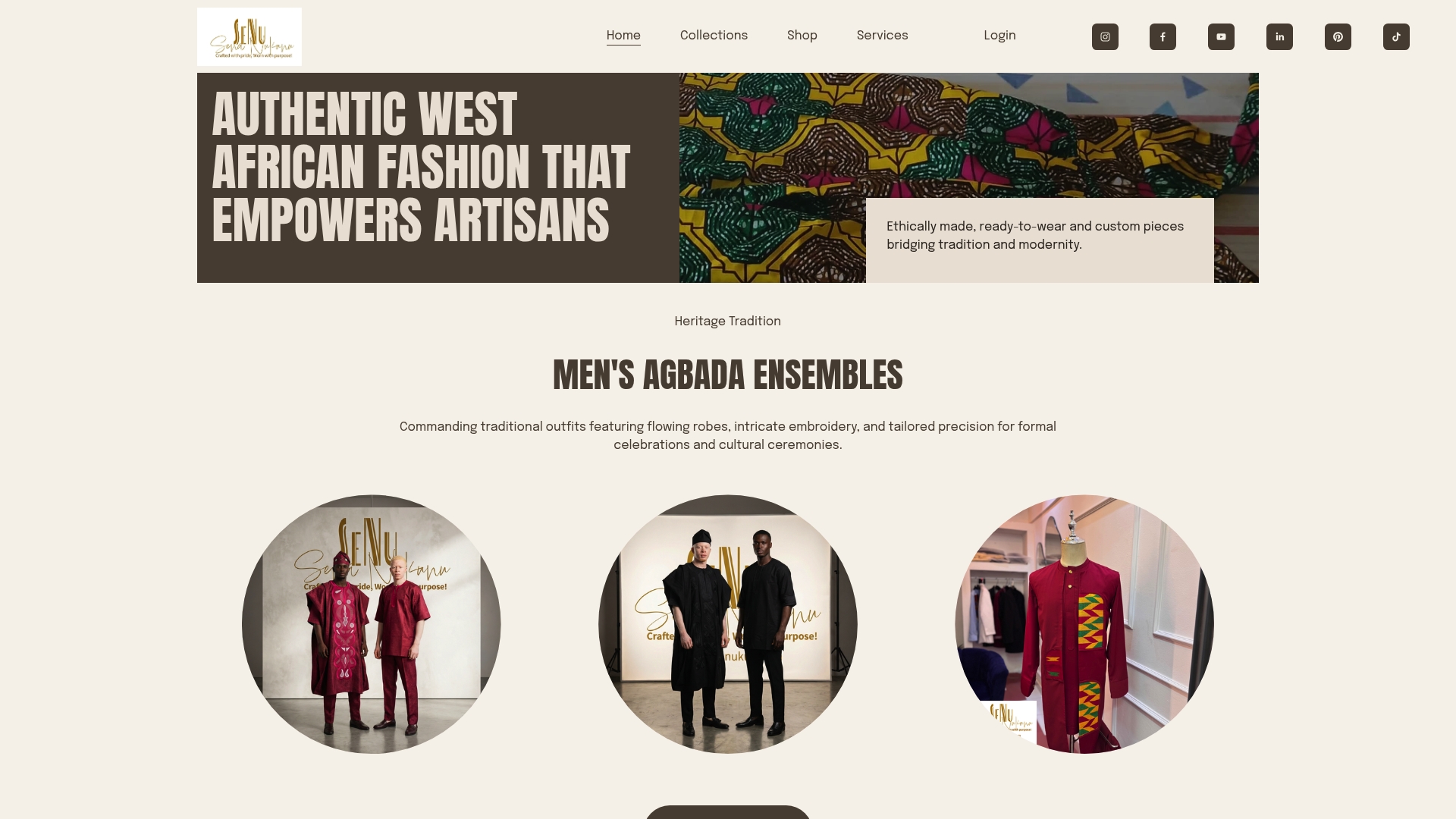
Partners directly with artisans in Ghana and Togo to produce handcrafted apparel, accessories, and home art that reflect West African heritage. The business operates from Florida and ships worldwide from an online storefront. Pieces include ready-to-wear dresses, matching sets, and bespoke items that emphasize craft and cultural storytelling.
Core Features
Sena Nukunu works with West African makers to curate and create culturally authentic garments and artwork, and it accepts bespoke custom orders on request. The catalog covers menswear, womenswear, and home art, and the site offers global shipping and secure online checkout. The brand promotes sustainable employment by supporting artisan livelihoods through direct partnerships.
Key Differentiator
The strongest single feature is the direct artisan partnerships in Ghana and Togo that inform every collection. That relationship shapes materials, patterns, and limited quantity runs so each piece carries a clear cultural origin. The model prioritizes artisan income and cultural storytelling over mass production.
Pros
Sena Nukunu delivers authentic West African craftsmanship with clear provenance because designs are made and curated with partner artisans. The collection balances traditional forms and updated silhouettes so you can wear heritage on ordinary days and for special events. Inclusive sizing and custom options allow personal fit and fabric choice for ceremonies and weddings. Worldwide shipping and a U.S. base in Florida simplify cross border purchases and returns.
Cons
- Sena Nukunu reports custom orders often take 4–12 weeks.
Who It's For
This brand fits fashion conscious shoppers who want clothing that reflects cultural identity and supports artisan communities. It suits people buying wedding attire, culturally meaningful gifts, or statement pieces for daily wear. It also appeals to buyers who accept longer lead times for made to order craftsmanship.
Unique Value Proposition
Direct sourcing from Ghanaian and Togolese artisans produces limited quantity garments with clear maker attribution. That model lets you choose a custom fabric and measurement and receive a handcrafted piece tied to a specific workshop. Because production focuses on small batches, the clothing reads as personal and culturally specific rather than mass produced.
Real World Use Case
A customer orders a custom Agbada ensemble for a wedding, specifies measurements and fabric, and coordinates design details with Sena Nukunu. Artisans in West Africa craft the piece, and the brand ships it internationally so the wearer represents heritage and supports artisan income. The process turns a ceremony outfit into a livelihood link for the maker.
Pricing
Prices range from approximately $150 for clothing sets to $800 or more for premium Agbada ensembles. The company advertises free shipping on orders above a certain threshold, and custom or special collection pieces sit at higher price points.
Website: https://senanukunu.com
OBIDA CULTURE
At a Glance
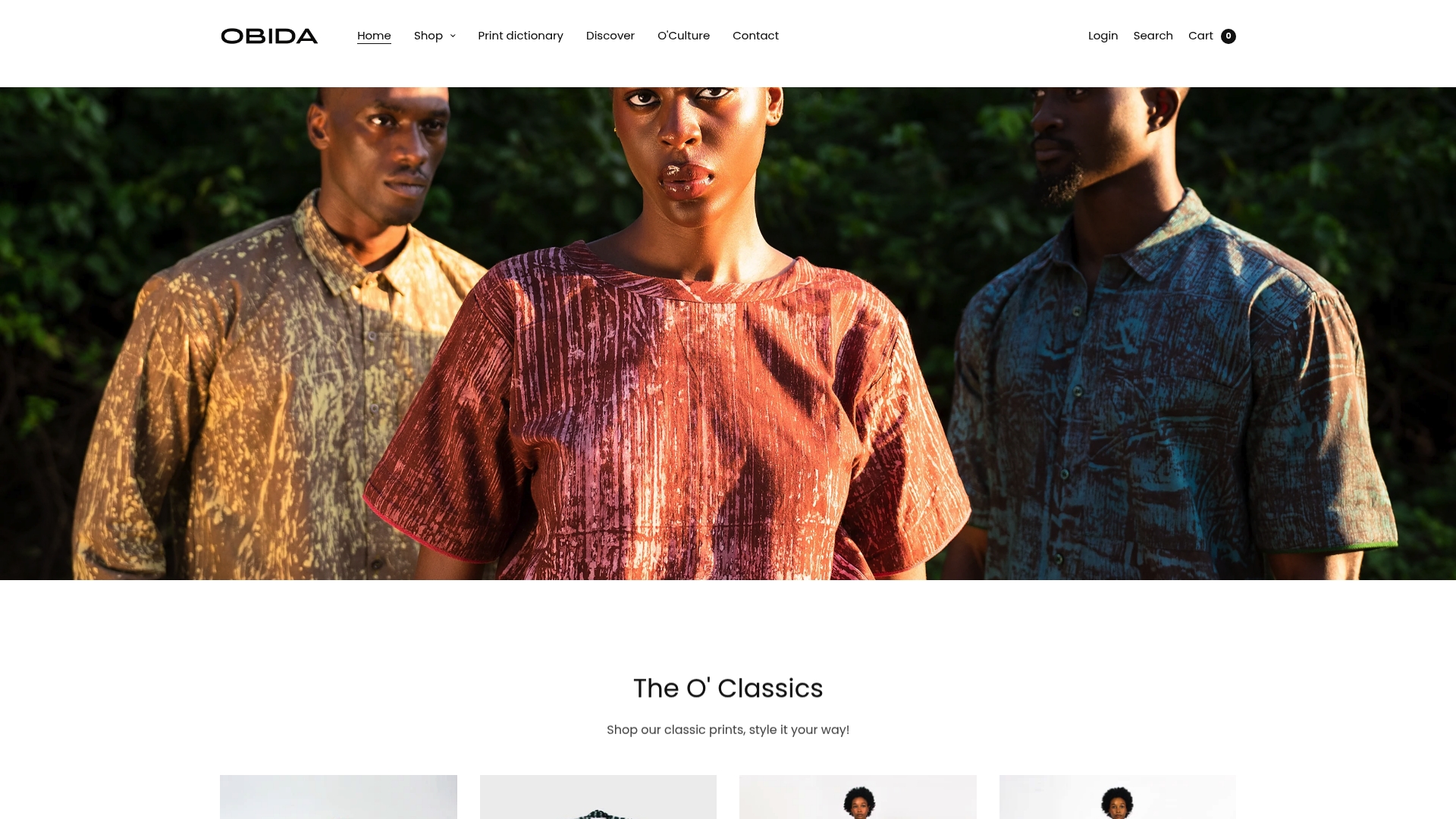
Most apparel on OBIDA CULTURE starts at $175 to $180 USD. The brand uses hand dyed prints and local artisan collaboration to produce limited quantity pieces. OBIDA runs a Shopify store and supports community dialogue through blogs and social channels.
Core Features
OBIDA CULTURE produces handcrafted African prints with direct collaboration from local artisans, focusing on hand dyeing and traditional motifs. A Custom print dictionary explains motifs and their meanings and adds cultural context to each garment. The O'Social Club and brand collaborations extend storytelling and release occasional capsule collections.
Key Differentiator
Artisanal craftsmanship and culturally meaningful prints anchor OBIDA CULTURE's design approach. That focus connects West African heritage with contemporary silhouettes and statement garments. The result is signature prints tied to named motifs and limited production runs.
Pros
Designs draw directly from West African visual language, producing vibrant garments that read as cultural statements. The brand pairs ethical sourcing with small batch production, supporting artisans and reducing overproduction. Global shipping and multi currency support make purchasing from abroad feasible for collectors and gift buyers. Periodic collaborations and blog content extend the cultural conversation beyond product.
Cons
- Limited physical retail presence outside the online store reduces the chance to try on pieces in person.
- Product categories remain narrower than larger fashion retailers, so accessories and season specific outerwear are often absent.
- Higher price points reflect artisanal processes and ethical sourcing, which may put pieces out of reach for budget shoppers.
When It May Not Fit
This label may not fit buyers who need broad category selection or frequent seasonal drops. If you require many brick and mortar locations for fittings, OBIDA's online focus will frustrate you. Customers outside supported regions should confirm shipping options before purchase due to limited international reach.
Who It's For
You care about cultural heritage, craft techniques, and ethical production. You likely choose unique, statement clothing that tells a story and supports artisans. You appreciate limited runs that feel personal and you accept paying for craft and provenance.
Real World Use Case
A customer finds a vibrant print dress and reads the print dictionary to learn the motif's origin. They select a unique piece as a meaningful gift, subscribe to the O'Culture newsletter, and follow collaborations. Sharing styling photos on social media helps build community and spread cultural context.
Pricing
Most apparel ranges from $175 to $180 USD, with regular collections and unique pieces. The website lists free shipping above a specified cart value. The free shipping threshold is not publicly listed.
Website: https://obidaculture.com
lemlem
At a Glance
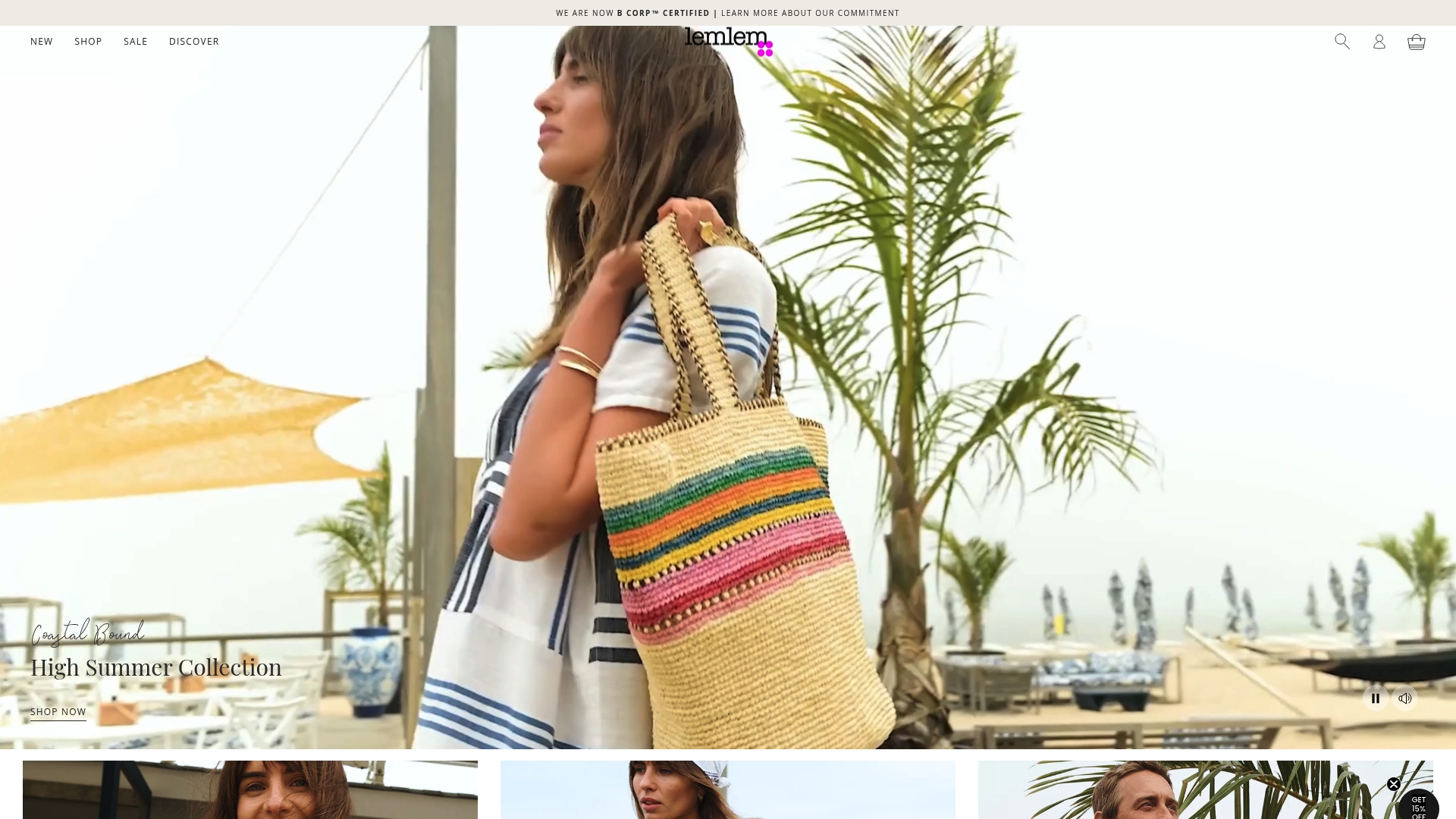
lemlem centers its collections on handwoven textiles crafted in Africa, with many pieces produced by small artisan studios. The brand emphasizes sustainability and fair trade practices across apparel, swimwear, and accessories. Vibrant color and meticulous weaving give each item a distinct, wearable story.
Core Features
lemlem sells seasonal collections that include clothing, swimwear, and accessories made from handwoven fabrics sourced from African artisans. The line features size inclusive options and uses eco conscious packaging to reduce waste. Worldwide shipping is available, and the brand frequently releases new arrivals and collaborations that spotlight traditional techniques.
Key Differentiator
lemlem’s single most notable trait is its reliance on handcrafted textiles produced by African artisans. That supply model supports local craft communities while keeping production intentionally small and artisanal. The result is garments with visible weave detail and color combinations rarely found in mass produced lines.
Pros
lemlem maintains a clear ethical focus by sourcing handwoven materials and paying artisans fairly. The collections read as colorful and wearable while respecting traditional methods, which appeals to shoppers who want statements with substance. Inclusive sizing and careful construction produce pieces that fit a range of bodies and last season after season. Eco conscious packaging and visible artisan credits add transparency to the purchase.
Cons
- Premium price points reflect handcrafted production and may be out of reach for budget shoppers.
- Some items sell out quickly because production runs follow artisanal cycles rather than mass manufacturing.
- Customers in distant regions can face longer transit times and higher customs fees.
- Occasional website access problems have been reported when browser extensions block parts of the checkout flow.
When It May Not Fit
Buyers who need rapid restocks or predictable, high volume inventory will find lemlem’s artisanal cadence limiting. Shoppers seeking fast fashion at the lowest price will likely find the cost structure incompatible with their goals. Customers outside core shipping regions should expect variable delivery times and possible import charges.
Who It's For
This brand suits fashion conscious people who value craftsmanship and ethical sourcing. It fits buyers who want colorful resort wear, artisanal dresses, and accessories that carry cultural context. Ideal customers accept paying more for pieces that support maker communities and reduce environmental impact.
Real World Use Case
A traveler building a resort wardrobe can pick lemlem caftans, a swimsuit, and lightweight accessories that coordinate by color and texture. The customer chooses pieces that layer easily from beach to dinner and that show visible weave details. The purchase supports artisans and arrives in eco conscious packaging that reflects the brand values.
Pricing
Most categories range from $135 to $425, reflecting handcrafted materials and small batch production. The brand offers free shipping on orders over a set threshold and runs seasonal promotions and gift sets. Prices match the product positioning as luxury artisanal apparel.
Website: https://lemlem.com
kahindo.com
At a Glance
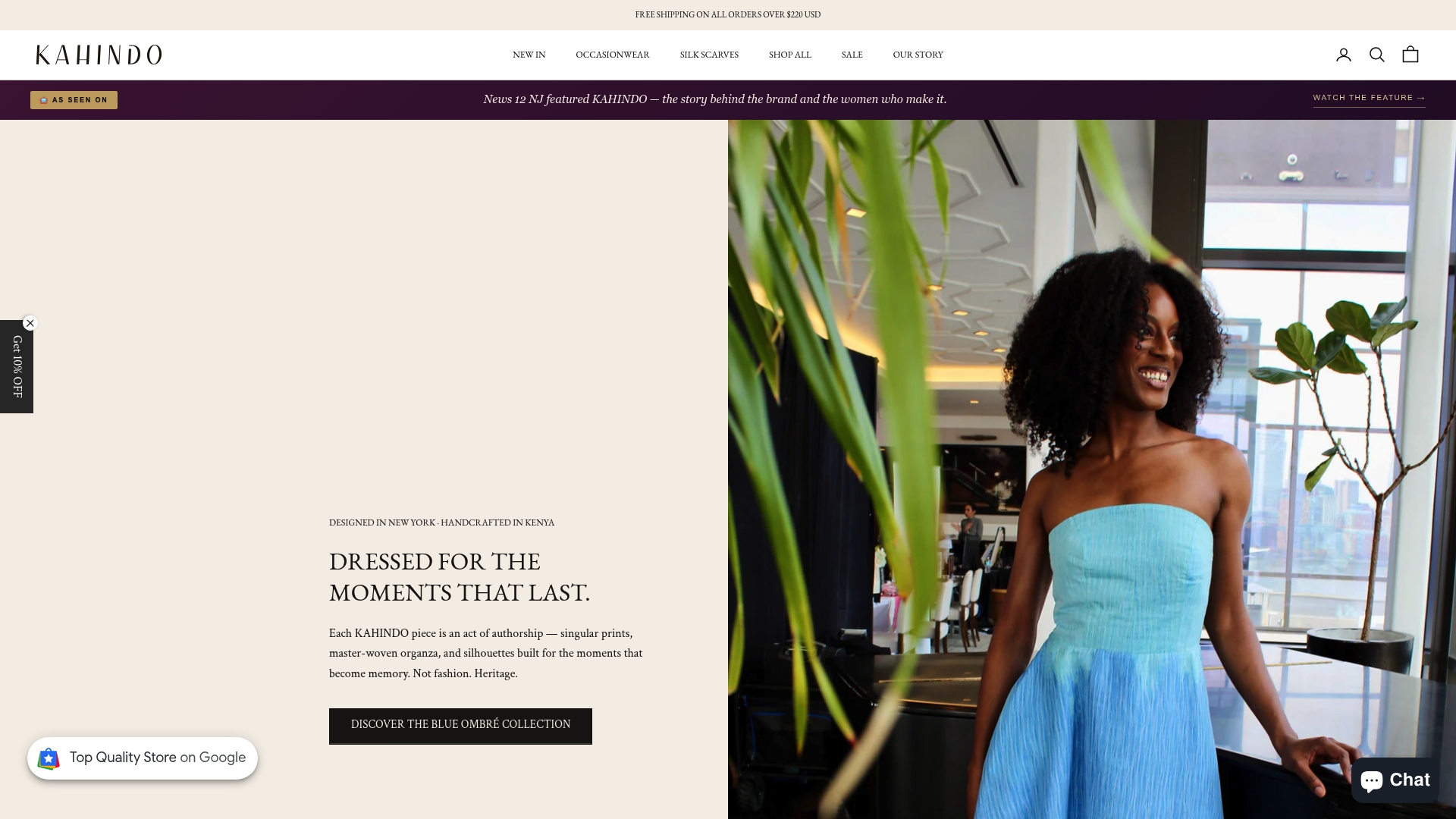
Handcrafted in Kenya by women artisans, Kahindo makes occasionwear that ties traditional techniques to contemporary tailoring. The brand emphasizes fair trade manufacturing, and uses sustainable, high-quality fabrics. Pieces arrive in small batches and often sell out because quantities reflect artisanal production.
Core Features
Kahindo focuses on dresses, jumpsuits, coats, and accessories meant for events and everyday elegance. Designs draw on African heritage while the construction uses skilled handwork and durable textiles. Orders ship from an ethical luxury supply chain that highlights artisan livelihoods and limited runs.
Key Differentiator
Kahindo stands out by merging traditional African craftsmanship with a New York design sensibility, creating pieces that read as modern and culturally rooted. The label foregrounds women artisans and fair trade practices as part of every collection. That emphasis gives each garment a clear provenance and a narrative the wearer can share.
Pros
Kahindo supports women artisans and fair trade manufacturing, which directly links purchases to artisan livelihoods. The collection offers culturally inspired, recognizable silhouettes that still feel contemporary and wearable. Craftsmanship and fabric choices skew toward high quality, so pieces hold up beyond a single season. Media recognition has given the brand visibility for customers who value story and provenance.
Cons
- Limited size options for some styles because the production runs are small and artisanal. Some customers will need to check availability before planning an outfit.
- Higher price point reflecting handcrafted materials and ethical production makes the line less accessible for budget shoppers.
- Availability varies across seasons and pieces because small batches sell quickly and restocks are irregular.
- International shipping options can be limited in certain markets, which affects buyers outside core shipping regions.
When It May Not Fit
If you need wide size ranges or rapid mass restocks, this brand will feel constrained. If your budget prioritizes low price over ethical sourcing, the higher cost might not work for you. If you require global next day delivery, Kahindo’s small-batch logistics may not match that need.
Who It's For
The ideal customer is fashion conscious and socially minded, someone who values artisanal craft and cultural storytelling. You likely seek unique pieces for weddings, parties, or elevated everyday looks. You prefer buying fewer garments with clear ethical credentials rather than many fast fashion items.
Real World Use Case
A shopper sees Kahindo in a magazine and explores the collection online. They choose a handcrafted dress for a wedding because the design feels personal and the materials promise better wear. The purchase becomes a conversation piece at the event and a reliable item in a curated wardrobe.
Pricing
Most categories range from $65 to $370, with some pieces offered on sale. The brand advertises free shipping on orders over $220, and occasional promotions reduce select items.
Website: https://kahindo.com
Cultureville
At a Glance
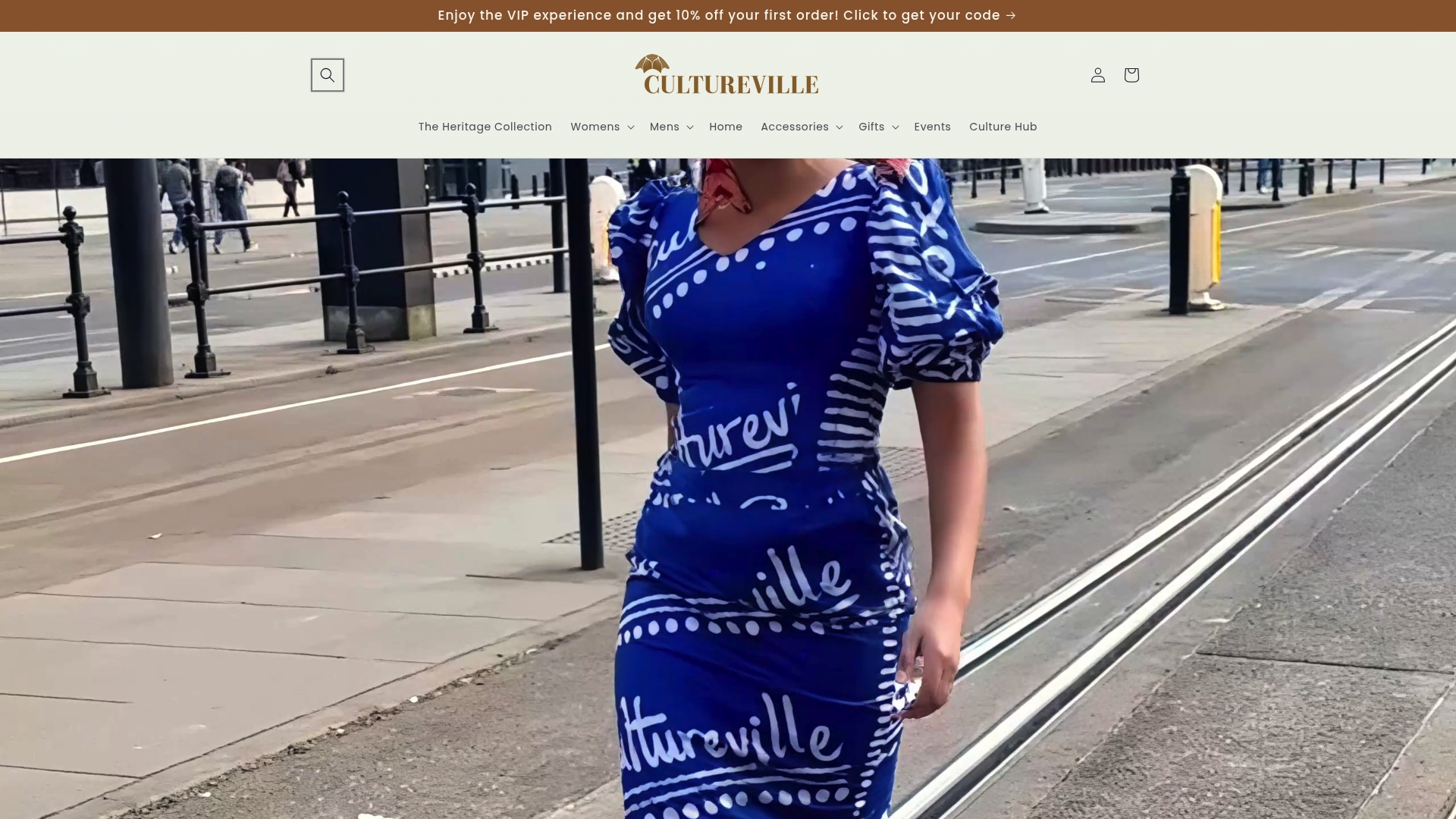
Sourcing and production take place in Nigeria and Ghana while the shop operates from the UK. Cultureville pairs handcrafted clothing, accessories, and homeware with a bespoke fashion consultation service. The brand focuses on ethical sourcing and community engagement to support artisan livelihoods.
Core Features
The catalog covers bold ready to wear pieces, handcrafted accessories, and home décor made by African artisans, and the shop offers a bespoke fashion consultation service for customers wanting custom fits. The platform emphasizes ethical sourcing from West Africa and the use of traditional techniques adapted to contemporary styles. Community storytelling and curated cultural experiences round out the selection.
Key Differentiator
Cultureville stands out because production and artisan partnerships are rooted in Nigeria and Ghana while retail operations run from the UK. That direct link lets the brand present garments that carry clear regional techniques and materials with modern silhouettes. The emphasis on both craft and a tailored consultation service gives shoppers access to authentic pieces and a guided design process.
Pros
Authentic craftsmanship shows in the textiles and finishing work, which often reflects regional techniques that add visible character to each piece. The brand supports local makers in Nigeria and Ghana and highlights that community connection in its product descriptions and events. The product assortment spans clothing, accessories, and homeware, giving you multiple ways to introduce African-inspired design into your wardrobe and living space.
Cons
- Limited physical retail presence outside the UK makes in-person fitting or inspection difficult for international shoppers.
- Higher price points reflect handcrafted quality and ethical sourcing and may not suit budget shoppers.
- Some items go out of stock frequently because artisan production runs on slower cycles.
- Size inclusivity is limited in some clothing lines, reducing options for customers who need extended sizing.
When It May Not Fit
If you need immediate, mass produced inventory, Cultureville will feel slow because artisanal production takes time. If you live outside the UK and prefer trying pieces in a store, the limited international footprint will be a constraint. If strict budget limits guide your purchases, the higher prices for handcrafted work may place this brand outside your preferred range.
Who It's For
You value cultural authenticity, handcrafted detail, and buying patterns that support artisans in West Africa. You enjoy statement garments and home items that tell a story and that pair traditional techniques with modern styling. You are willing to pay a premium for ethical sourcing and a tailored shopping experience.
Real World Use Case
A customer in the UK books a bespoke consultation to adapt a traditional silhouette into a modern dress for cultural events. The final outfit uses handwoven fabric sourced from Ghana and finishing techniques from Nigeria. The customer wears the piece to community gatherings and gives accessories from Cultureville as meaningful gifts.
Pricing
Most items fall in the $18–$150 USD range, with some premium bespoke pieces priced above that span. The store offers free shipping on orders above £100 and gift cards starting at £10. Occasional discounts apply to new arrivals and curated gift sets.
Website: https://cultureville.co.uk
Comparison of Alternatives
Sena Nukunu uniquely positions itself as a champion for authentic West African artisan collaboration, crafting garments rich in tradition and cultural significance. Competitors present alternatives for culturally inspired fashion with distinctive attributes worth noting.
Directly Supporting Artisan Craftsmanship
Both Sena Nukunu and lemlem emphasize ethical practices and artisan livelihoods: Sena Nukunu focuses specifically on partnerships in Ghana and Togo for garments and home art, while lemlem incorporates handwoven textiles into colorful seasonal collections. These approaches lead to product uniqueness, though lemlem’s focus on resort wear appeals to vacation-ready styles, contrasting Sena Nukunu’s more grounded cultural narratives.
Exploring Cultural Context
OBIDA CULTURE excels in educating customers about the meaning behind graphic and print designs by incorporating a custom print dictionary, enriching consumer experience. This is a differential element compared to Sena Nukunu’s direct artisan focus without an accompanying educational tool. Style enthusiasts intrigued by cultural symbolism and storytelling through clothing might find OBIDA CULTURE’s offerings particularly compelling.
Best Fit
- Fashion-conscious shoppers seeking bespoke wedding attire that reflects authentic cultural heritage will appreciate Sena Nukunu’s custom order service.
- Those valuing educational storytelling integrated into vibrant and meaningful garments may prefer OBIDA CULTURE for its emphasis on West African visual symbolism.
- Customers preparing for tropical trips or looking for colorful handwoven apparel produced ethically might choose lemlem as their top consideration.
- Buyers in the United Kingdom seeking a hybrid experience of tailored clothing and artisan-made gifts could turn to Cultureville.
Our Pick
Sena Nukunu stands as the preferred choice for customers prioritizing authentic cultural storytelling through direct artisan partnerships. Its emphasis on bespoke craftsmanship, coupled with its dedication to supporting Ghanaian and Togolese craftsmanship, sets it apart uniquely within this comparison. Customers less focused on custom-made apparel and more interested in cultural motifs or seasonal collections may explore competitors for their distinct strengths.
To choose the most suitable option for supporting artisan communities and acquiring culturally inspired fashion, consider the following table comparison:
| Brand | Core Feature | Key Differentiator | Pricing | Limitations |
|---|---|---|---|---|
| Senanukunu | Handcrafted West African apparel and décor | Direct collaborations with Ghanaian and Togolese artisans | $150–$800 | Extended lead times for bespoke orders (4–12 weeks) |
| OBIDA CULTURE | Hand dyed prints and culturally significant motifs | Custom print dictionary for cultural context | $175–$180 | Limited physical retail presence |
| lemlem | Handwoven clothing, swimwear, and accessories | Seasonal collections of artisan-made textiles | $135–$425 | Higher price reflects handcrafted quality |
| Kahindo | Occasionwear merging traditional crafts and tailoring | Women artisan partnership and fair trade fabrics | $65–$370 | Limited size options for some styles |
| Cultureville | Clothing and homeware with ethical sourcing | Bespoke fashion consultation service | $18–$150 | Limited international fitting and accessory availability |
What Challenges Do Shoppers Face When Choosing DiyanU.com Alternatives?
When seeking alternatives to diyanU.com, fashion-conscious shoppers often look for authentic, culturally rich apparel that tells a story and supports artisans. Key challenges include finding brands that prioritize ethical production, offer limited-quantity handcrafted pieces, and deliver distinctive West African styles with a contemporary feel. Long wait times for custom orders and limited sourcing transparency can also create frustration for customers who want meaningful and timely purchases.
Senanukunu responds to these concerns by partnering directly with artisans in Ghana and Togo to offer ready-to-ship dresses, jackets, and matching sets infused with West African heritage. This Florida-based platform emphasizes ethical craftsmanship and cultural pride through each intricate design. If you value high-quality, culturally inspired fashion made with purpose, visit Senanukunu to access a curated collection that supports artisan livelihoods and evokes confidence and regal style.
FAQ
How does Senanukunu support artisan livelihoods?
Senanukunu directly partners with artisans in Ghana and Togo to produce handcrafted apparel. This relationship shapes materials and patterns, allowing each piece to carry clear cultural origins and providing sustainable income for the artisans. Expect to find authentic pieces that not only look good but also support the makers behind them.
What is the difference between Senanukunu and OBIDA CULTURE?
OBIDA CULTURE excels in offering vibrant hand-dyed prints and local artisan collaborations, focusing on cultural storytelling through unique motifs. Senanukunu, while also embracing cultural authenticity, emphasizes custom orders and direct artisan relationships, creating pieces that reflect the specific craftsmanship of Ghana and Togo artisans. Choose Senanukunu for a bespoke experience steeped in West African heritage.
Which platform provides custom ordering options?
Senanukunu allows customers to request bespoke custom orders, providing a unique garment tailored to individual preferences. This feature caters to those looking for personalized and culturally rich attire. Customers who desire high levels of customization for special occasions will find this particularly advantageous.
Can I find inclusive sizing with Senanukunu?
Senanukunu offers inclusive sizing across its collections, allowing a broader range of customers to enjoy its garments. This commitment to inclusivity ensures that everyone can find a piece that fits their personal style and cultural expression. Expect to see options for various body types from the collections.
How does Senanukunu's pricing compare to other alternatives?
Senanukunu's pricing reflects the craftsmanship involved, with custom orders typically taking 4–12 weeks to produce. This pricing aligns with its high-quality materials and personalized service. While it may be higher than fast fashion options, it represents a valuable investment in authentic, handcrafted apparel.