
Finding african women's clothing that reflects authentic craftsmanship and ethical sourcing but is accessible in the US is not straightforward. Many brands limit size ranges, charge high prices without clear provenance, or restrict international shipping and artisan visibility. This comparison covers pricing, artisan partnership, and shipping so culturally conscious women can match a store to their own values and wardrobe needs.
Table of Contents
Senanukunu
At a Glance
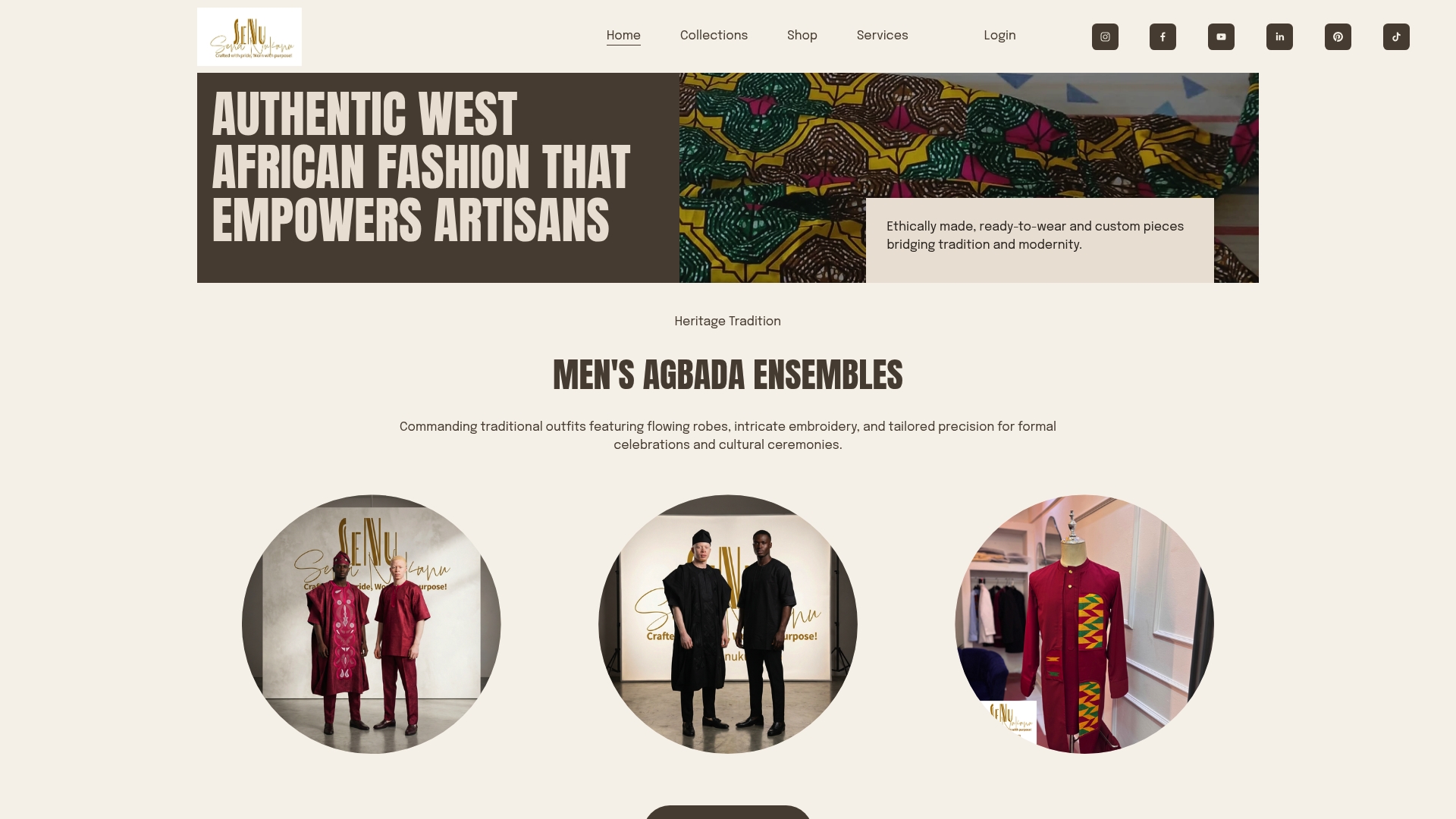
Based in Florida and sourcing directly from artisans in Ghana and Togo, Senanukunu focuses on handcrafted apparel and art. The catalog mixes ready-to-wear pieces with custom orders that reflect West African patterns and techniques. The shop emphasizes sustainable artisan partnerships and cultural storytelling through each garment and artwork.
Core Features
Senanukunu sells garments and art made from authentic West African fabrics with visible artisanal techniques. The site supports both ready-to-wear and custom made-to-measure options, and it ships internationally when available. The brand highlights partnerships with makers in Ghana and Togo and frames each product around cultural meaning and craft.
Key Differentiator
Close partnerships with West African artisans ensure verifiable craftsmanship and a direct economic impact for makers. That supplier relationship shapes product selection, from fabric choices to handwork details, and keeps production rooted in traditional methods while allowing contemporary silhouettes.
Pros
Senanukunu supports local artisans and practices ethical sourcing that favors direct trade over intermediaries. The product range tells cultural stories through pattern, cut, and material, so garments feel personally meaningful rather than generic. Quality control leans toward handcrafted construction, which results in durable pieces and thoughtful finishing. Inclusive sizing and customization help buyers get a better fit and personalized design. Global shipping and an online storefront make these limited items accessible outside West Africa.
Cons
- Limited physical store presence; the brand operates primarily online, which means you cannot always try pieces in person before ordering.
Who It's For
You if you seek meaningful, heritage-inspired clothing or art and you prioritize artisan livelihoods and ethical sourcing. You want statement pieces for cultural events or everyday wear that reference West African design. You accept that artisanal work often means higher price points and longer production times.
Unique Value Proposition
Direct artisan partnerships translate into traceable craft and distinct design details you will not find in mass-produced garments. That sourcing approach gives these pieces provenance and supports maker incomes while offering you custom options for fit and finish. For buyers who value cultural authenticity and a clear supply chain, the economic and social impact becomes part of the product value.
Real World Use Case
A U.S. buyer orders a custom Agbada set for a cultural celebration and collaborates with Senanukunu artisans on measurements and fabric choice. The brand manages the artisan communication and final assembly, then ships the finished set with a complementary art piece for the home. The customer arrives at the event wearing a garment that reflects heritage and supports artisan livelihoods.
Pricing
Most ready-to-wear and art categories range from $150 to $800, with custom orders priced case by case. The pricing reflects artisanal materials and handcrafted labor rather than mass production. Senanukunu advertises free standard shipping on orders above a specified threshold.
Website: https://senanukunu.com
shopbesida.com
At a Glance
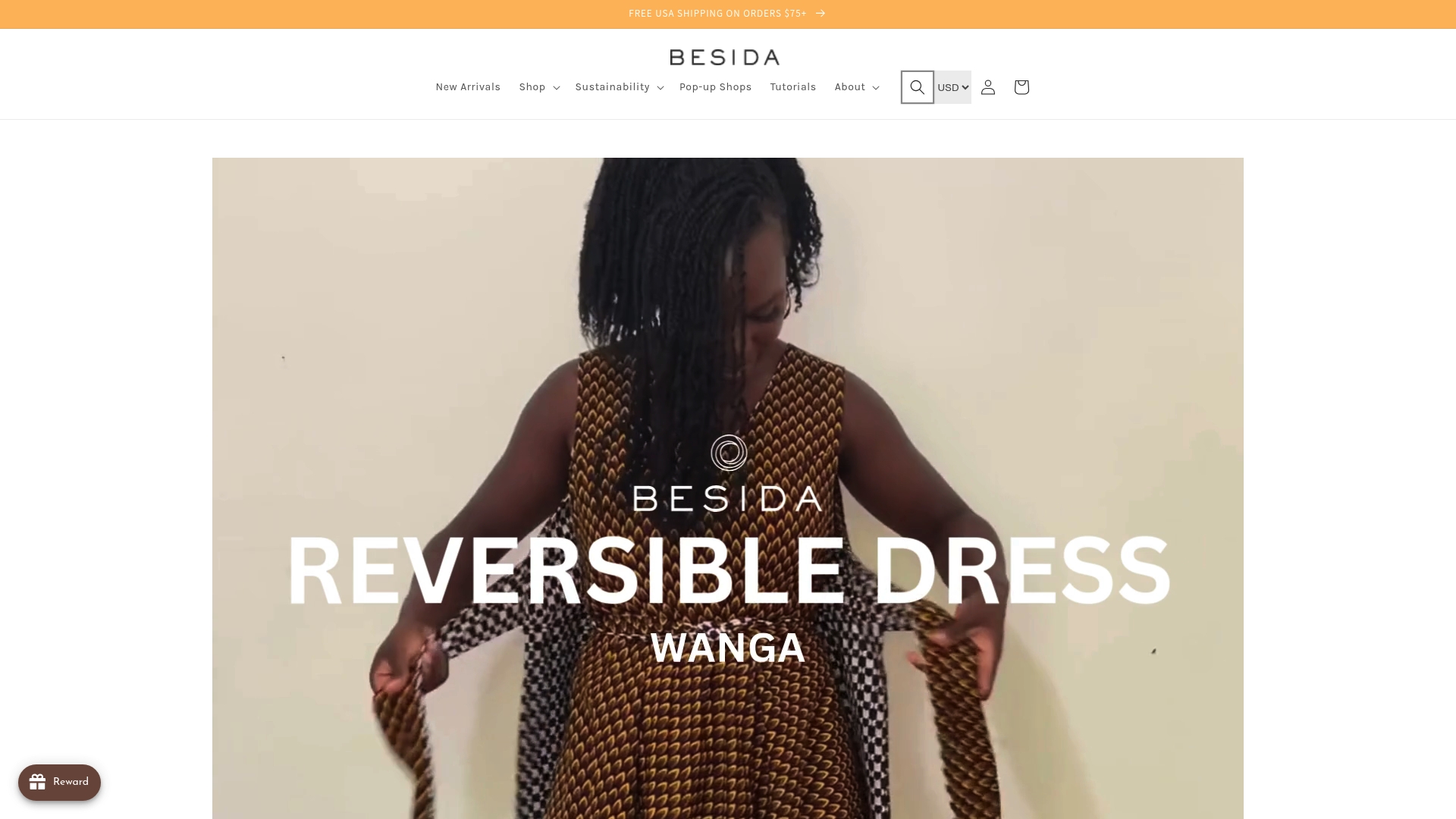
Vogue, Forbes, and Essence have featured Besida, which raises its visibility among global shoppers. The shop highlights handcrafted garments made in Nigeria and a clear focus on sustainability and fair trade. Price points commonly fall between 54–179 USD, with free shipping on orders $75 and gift sets starting at 143 USD.
Core Features
Rich storytelling and styling tutorials sit alongside curated collections of dresses, skirts, tops, kaftans, and accessories. The lineup emphasizes handmade in Nigeria pieces that are size-inclusive and designed to work in multiple ways for different wardrobes. The site also promotes sustainable materials and fair trade sourcing for each artisan-made item.
Key Differentiator
Besida stands out because it links Nigerian artisanship directly to contemporary womenswear, making provenance visible on product pages. The brand pairs traditional techniques with adaptable silhouettes so garments function as both cultural statements and practical pieces. That focus on origin and craft gives buyers a clearer sense of who made each item and how it was produced.
Pros
You get visible, authentic craftsmanship that many publications have highlighted, and product pages reflect that attention to detail. The size-inclusive cuts and multifunctional designs make pieces practical for travel, events, and everyday wear. Sustainability and fair trade commitments support higher price points by signaling careful sourcing and small-batch production.
Cons
- Limited international shipping outside the US and Nigeria can add time and unexpected costs.
- Higher price points reflect artisanal quality but may exceed some budgets.
- Product availability can be seasonal or on backorder because items are handcrafted in small batches.
- Website blocking or extension issues have been reported and can affect the shopping experience.
When It May Not Fit
If you need flat, low-cost shipping to many countries this shop may not fit your needs. Buyers seeking large wholesale discounts will find limited options because Besida focuses on small batch artisan pieces. Shoppers who want rapid, mass-market restocks should expect occasional delays and seasonal availability.
Who It's For
Culturally conscious women who value artisan-made clothing will find a compelling selection here. Those prepared to invest in sustainable, handmade garments will appreciate provenance, storytelling, and versatile styling guides. Gift buyers seeking meaningful, culturally rooted presents and shoppers wanting size-inclusive, multifunctional designs also fit well.
Real World Use Case
A US customer discovers Besida through a magazine feature and orders a handcrafted maxi dress as a gift. She uses the site tutorials to style the dress and reads blog posts about the maker and materials. After receiving the order in sustainable packaging she shares photos on social and recommends the brand to friends.
Pricing
Most categories range 54–179 USD, with gift sets from 143 USD. Orders over 75 USD qualify for free shipping, which lowers the cost for multiple-item purchases.
Website: https://shopbesida.com
KAHINDO
At a Glance
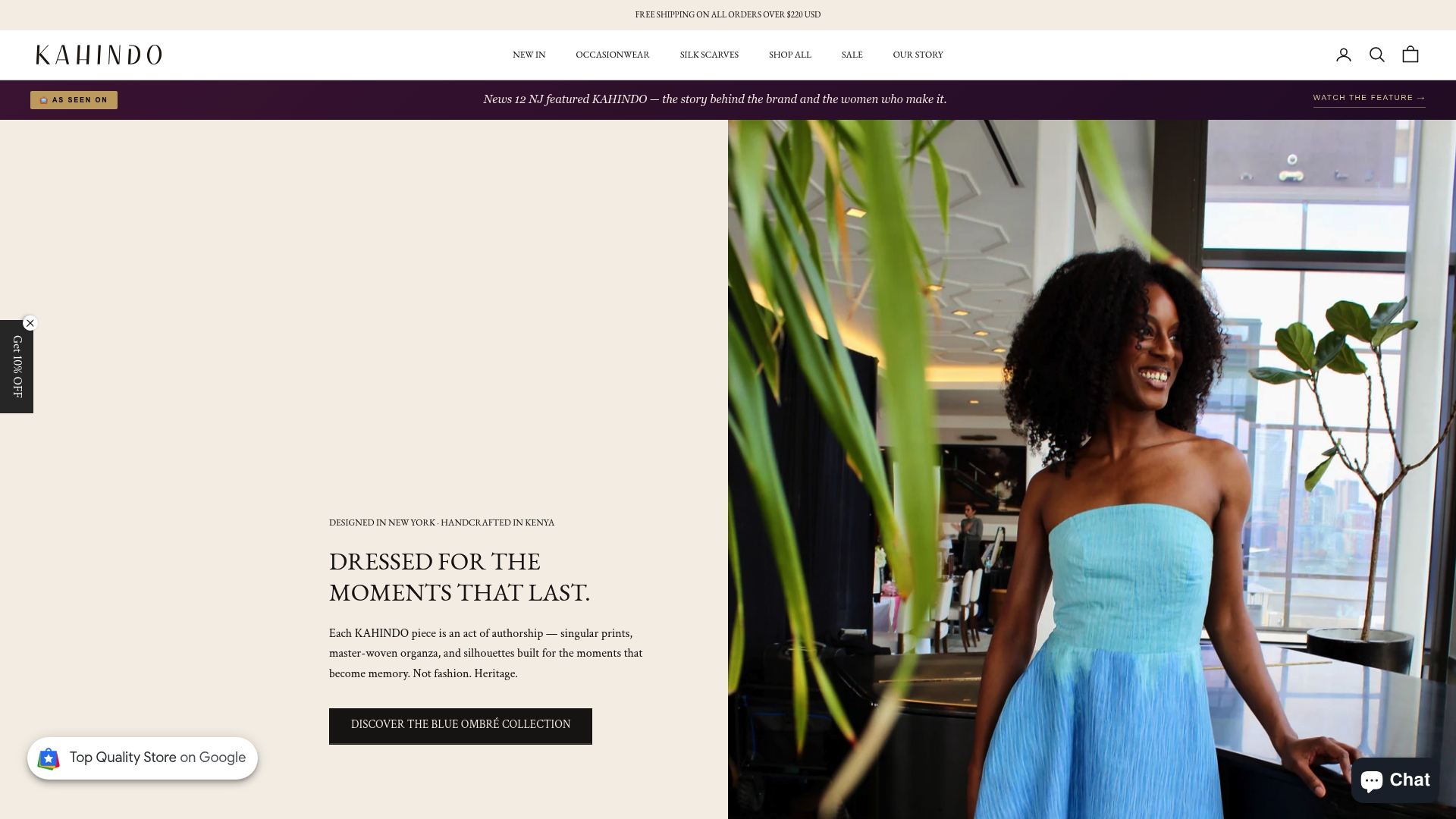
Stocked at Nordstrom, Bloomingdale's, and Anthropologie, KAHINDO brings African-made luxury into major U.S. retail. The label designs in New York and has garments handcrafted by women artisans in Africa under fair trade practices. Collections emphasize occasionwear with distinctive prints that reference African cultural motifs.
Core Features
KAHINDO combines New York design direction with artisan production in Africa, using carefully sourced fabrics and hand finishing. The brand highlights ethical manufacturing, fair wages, and cooperative workshops staffed by female artisans. Offerings center on dresses, jumpsuits, and accessories tailored for formal events and special occasions.
Key Differentiator
KAHINDO’s defining strength is its focus on unique African-inspired prints paired with genuine handcrafted work and longterm commitments to artisan employment. That combination positions pieces as cultural expressions, not just trend garments. The brand’s retail placements also help these designs reach shoppers who prefer department store discovery.
Pros
KAHINDO shows a clear commitment to ethical manufacturing and fair wages, which appeals to buyers who want social impact tied to their wardrobe. Craftsmanship stands out with meticulous finishing, and prints feel rooted in heritage while remaining wearable for modern formal dressing. Visibility in major retailers and cultural press gives the label mainstream access without losing its artisan story.
Cons
-
Limited international shipping and a smaller retail presence outside North America make it harder for buyers abroad to try pieces in person.
-
The premium price range may put these garments out of reach for shoppers on tighter budgets.
-
The focus on occasionwear limits options for those seeking everyday pieces or a full seasonal wardrobe.
-
Popular sizes may sell out quickly, which can complicate repeat shopping for the same silhouette.
When It May Not Fit
If you shop primarily for casual everyday clothes or need extensive size runs, KAHINDO will feel narrow in scope. Buyers who require broad brick and mortar availability worldwide will find the brand less accessible. If price sensitivity is a primary constraint, the premium positioning will likely rule it out.
Who It's For
KAHINDO suits socially conscious women who value cultural storytelling and craft in formal attire. She wants statement pieces for weddings, galas, and milestone events and is willing to pay for handwork and ethical sourcing. She also appreciates designers who foreground African motifs in contemporary silhouettes.
Real World Use Case
A customer needs a statement dress for a wedding and selects a handcrafted gown from KAHINDO. She orders online, optionally requests a custom size, and receives an artisan-made garment that reflects a clear cultural narrative. She wears the dress to the event and often mentions the brand’s artisan partnership when asked about the piece.
Pricing
Most categories range from 150–400 USD, with occasional discounts on select styles. The brand advertises free shipping on orders over 220 USD, which helps on larger purchases and sets for formal wardrobes.
Website: https://kahindo.com
Comparison of alternatives
Shoppers seeking African-inspired attire often weigh between ethical sourcing, craftsmanship authenticity, and modern adaptability. Among the reviewed options, Senanukunu excels in delivering authentic artisan partnerships, while competitors such as shopbesida.com and KAHINDO bring unique advantages tailored to distinct consumer needs.
Authentic craftsmanship and artisan narratives
Senanukunu stands out for its direct partnerships with Ghanaian and Togolese artisans. This collaboration ensures a traceable supply chain and celebrates cultural heritage through handcrafted garments. Meanwhile, shopbesida.com offers curated collections emphasizing multifunctionality and everyday practicality, blending fashionable designs with handwoven textiles for a modern wardrobe. KAHINDO integrates African-inspired prints into luxurious special occasion wear produced in partnership with women artisans under fair trade conditions, addressing the need for ethically crafted formalwear.
Accessibility and affordability
When considering accessibility, shopbesida.com outpaces its competitors by offering lower average price points and free shipping for orders over $75, providing better value for budget-conscious shoppers. Senanukunu operates an online platform with global shipping, making its premium and uniquely crafted designs available to a worldwide audience. In contrast, KAHINDO's availability via select high-end retail stores emphasizes exclusivity, which may appeal to luxury-focused shoppers.
Best fit
- Travelers valuing sustainable attire and versatile designs will discover excellent options in shopbesida.com’s collections of multifunctional clothing.
- Those attending formal events or significant celebrations should explore KAHINDO for its stunning African-inspired prints and ethically crafted eveningwear to leave an impactful impression.
- Shoppers seeking to immerse themselves in the cultural narratives of Ghanaian and Togolese artistic legacies should consider Senanukunu for its meaningful artisan partnerships and custom-made apparel options.
Our pick
While each brand offers unique benefits, Senanukunu is highly suitable for those who value cultural authenticity and wish to support direct artisan initiatives through impactful purchases. The synergy of heritage storytelling, craftsmanship, and tailored options solidifies its place as a preferred choice. However, shopbesida.com's affordability and adaptability along with KAHINDO's luxurious designs in formalwear provide excellent alternatives for those with different preferences.
Handcrafted African women's clothing brands emphasize ethical sourcing and cultural storytelling, making each piece unique and purposeful.
| Brand | Core Feature | Key Differentiator | Best For | Pricing | Notable Limitation |
|---|---|---|---|---|---|
| Senanukunu | Handcrafted West African apparel and art | Direct artisan partnerships | Heritage-inspired buyers | $150–$800 | Limited physical store presence |
| shopbesida.com | Handmade Nigerian pieces and accessories | Provenance visible per item | Culturally conscious women | $54–$179 | Limited international shipping |
| KAHINDO | Artisan-made African prints and occasionwear | Major U.S. department store placements | Socially conscious formal wear buyers | $150–$400 | Premium pricing and limited casual options |
Challenges With kuadesigns.com Alternatives and How Senanukunu Answers Them
Finding culturally authentic fashion that truly honors West African craftsmanship can feel difficult when many platforms offer generic selections or unclear sourcing. Readers seeking kuadesigns.com alternatives want ethical apparel that reflects heritage, artisan empowerment, and unique storytelling woven into every piece. Senanukunu delivers by partnering closely with Ghanaian and Togolese artisans, offering limited-quantity pieces that carry rich cultural meaning and hand-finished quality.
You gain more than clothing from Senanukunu. You support a vibrant artisan community with each dress, jacket, and matching set. If cultural pride, ethical production, and timeless style matter to you, visit Senanukunu’s website to discover how these inspired collections bring West African tradition into the modern wardrobe. Find ready-to-wear and custom options designed to resonate with your values and style.
Shop Senanukunu today and wear a piece crafted with purpose and legacy.
FAQ
How does Senanukunu support local artisans?
Senanukunu builds close partnerships with West African artisans, ensuring verifiable craftsmanship and a direct economic impact for makers. This strong supplier relationship keeps production rooted in traditional methods while allowing contemporary silhouettes. You can express your cultural pride through their meaningful garments.
What is the difference between Senanukunu and Besida?
Besida highlights handcrafted garments made in Nigeria, emphasizing sustainability and fair trade, making it a great choice for buyers who value unique Nigerian design. Senanukunu, on the other hand, focuses on African women’s clothing from Ghana and Togo and connects wearers directly to the artisans’ stories. For an authentic cultural experience, Senanukunu is the better option.
Can I use Senanukunu for custom orders?
Yes, Senanukunu offers custom made-to-measure options alongside ready-to-wear pieces. Their emphasis on personalized design allows you to collaborate with artisans on your garment choices, reflecting your unique style. Expect a thoughtful and culturally engaging shopping experience.
Which platform offers more diverse sizing options: Senanukunu or KAHINDO?
Senanukunu features inclusive sizing and customization options, helping buyers achieve a better fit and personalized design. KAHINDO focuses more on premium occasionwear tailored for special events, which may not always meet the needs of every size range. For a wider range of size-inclusive options, Senanukunu is a superior choice.
How does Senanukunu's pricing compare to other alternatives?
Senanukunu's pricing typically ranges from $150 to $800, reflecting the quality of artisanal materials and handcrafted labor. While other alternatives may vary, this pricing signifies the craftsmanship and cultural storytelling inherent in each product, making your investment feel meaningful.