Finding African-inspired clothing that honors cultural artisanship and ships reliably with transparent pricing can be unpredictable. Many brands limit shipping to select regions, hide pricing until checkout, or mass produce garments without artisan recognition. This comparison lists three alternatives so you can choose a retailer whose designs, social impact, and value align with your expectations.
Table of contents
Sena nukunu
At a glance
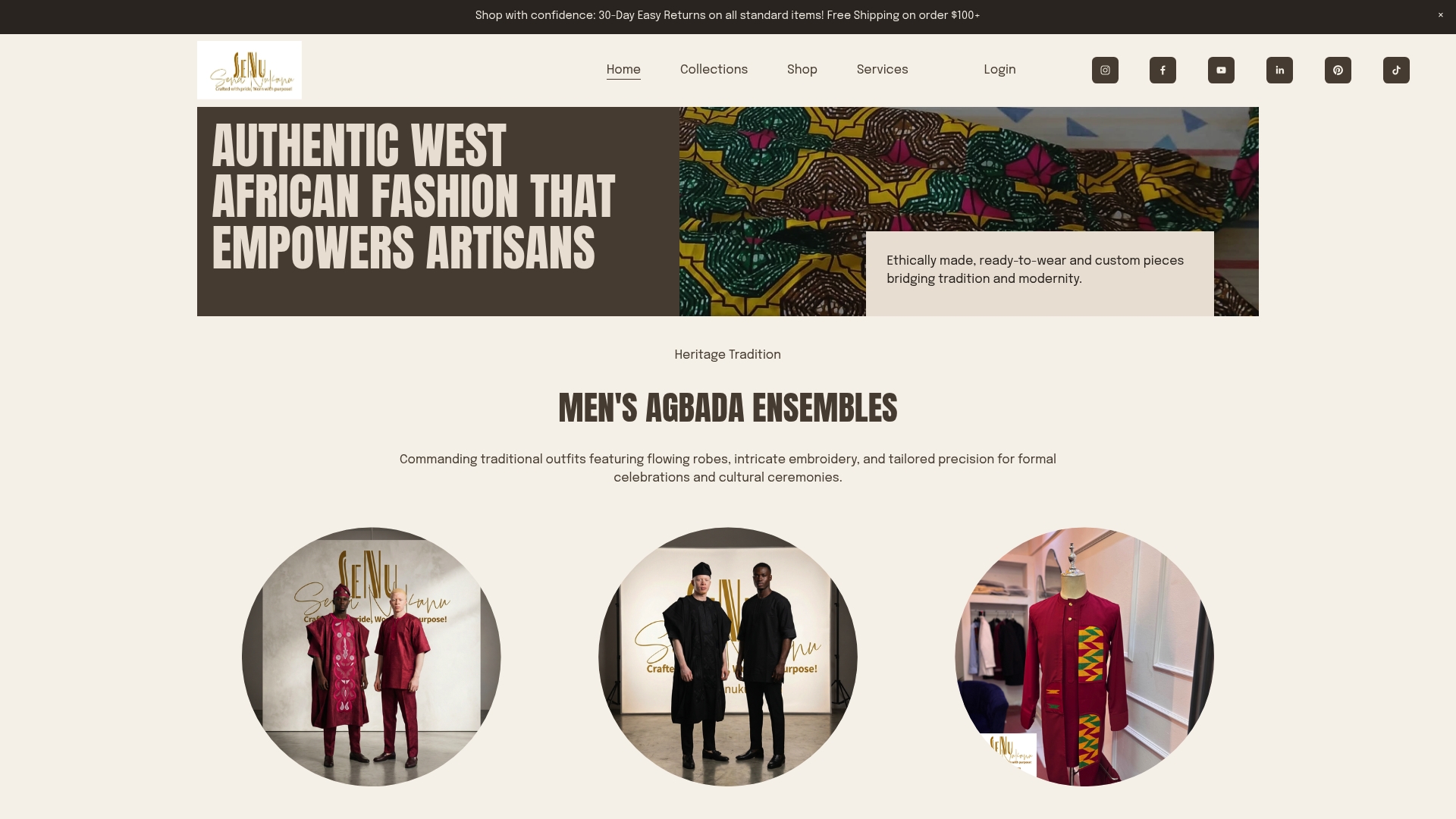
Sena Nukunu sources its handcrafted garments directly from artisans in Ghana and Togo. The brand pairs those traditional techniques with modern ready to wear designs. It operates from the United States with a Florida base and emphasizes ethical manufacturing and artisan empowerment.
Core features
- Authentic West African handcrafted apparel: Ready to wear dresses, men's Agbada ensembles, matching sets, and statement pieces rooted in regional craft.
- Sustainable and ethically sourced production: Materials and workshops are chosen to support fair trade and community upliftment.
- Wide range of traditional and modern designs: Pieces work for ceremonial events and contemporary wear, with visible cultural motifs.
- Sizes designed for inclusive fit and comfort: The catalog includes tailored sizing and options intended for diverse body types.
- Supports artisan empowerment and community development: Purchases channel income back to makers and their local networks.
Key differentiator
Sena Nukunu stands out because it pairs direct artisan sourcing from West Africa with contemporary, wearable design. That model keeps cultural techniques central to each garment. The approach creates pieces that carry cultural meaning while fitting modern wardrobes.
Pros
- Strong cultural storytelling through vibrant textiles and motifs. Each product page highlights symbols and the craft behind the item.
- Ethical production supporting West African artisans. The site emphasizes community development tied to every sale.
- Diverse collection that bridges tradition and modernity. You can find ceremonial Agbada and everyday statement dresses in one place.
- Focus on social empowerment and community upliftment. Buying supports artisan livelihoods rather than mass production supply chains.
- High quality craftsmanship and attention to detail. Stitching, textiles, and finishes reflect time honored techniques and careful assembly.
Cons
- Limited international shipping in some regions restricts availability for customers outside supported corridors.
Who it's for
This brand fits culturally proud shoppers who want authentic, artisan made African fashion. It suits diaspora Africans seeking meaningful clothing for ceremonies and events. It also fits socially conscious buyers willing to invest in heirloom quality pieces that support fair trade.
Unique value proposition
Handcrafted garments sourced from Ghana and Togo make each piece both a wearable statement and a direct way to support artisan communities. That supply method often means limited runs and unique textiles. For you, a purchase becomes a cultural statement and a practical investment in craftsmanship and social impact.
Real world use case
A customer selects a custom Agbada ensemble for a wedding, chooses tailored sizing, and reads the artisan story linked to the design. The finished piece arrives with careful finishes and clear cultural references. The wearer uses the outfit to honor family tradition while supporting artisan livelihoods.
Pricing
Most categories range from approximately $132 to $800, reflecting handcrafted materials and limited quantities. Some accessories are priced lower. The higher price points align with bespoke sizing, artisan labor, and quality textiles.
Website: https://senanukunu.com
Diyanu

At a glance
Most clothing items fall in the $55 to $99 USD range, making bold African print fashion accessible without luxury labeling. The site refreshes collections regularly and restocks popular pieces. That pace keeps the catalog lively for shoppers who follow trends and cultural releases.
Core features
- Seasonal collections and restocks that refresh designs several times a year and bring back customer favorites.
- Culturally inspired African print designs focused on dresses, shirts, jumpsuits, and accessories with vibrant patterns.
- Worldwide shipping and online shopping that reaches many international buyers, though some regions are limited.
- Loyalty and rewards program for repeat customers who want discounts or early access to drops.
- Community engagement and giving back initiatives that connect purchases to social causes.
Key differentiator
Diyanu marries contemporary silhouettes with identifiable African textile motifs so garments read as modern wardrobe pieces and cultural statements. That combination favors shoppers who want bold, ready to wear looks rather than one of a kind artisan garments. Compared with Senanukunu, Diyanu skews toward trend-driven collections with broader accessibility.
Pros
-
Unique prints that stand out in everyday wear. The patterns make a clear cultural reference without feeling costume like.
-
Strong cultural authenticity and vibrant aesthetics. Designers maintain recognizable motifs across multiple seasons.
-
Regular updates and restocks keep popular items available. That cadence helps you buy favorites when they return.
-
Active community initiatives that link purchases to charitable work. Customers get a sense their buy supports broader causes.
-
Loyalty program rewards repeat shoppers. The program reduces the effective price over time for frequent buyers.
Cons
-
Shipping reaches many countries but still has limited regions. International shoppers outside supported zones will face barriers.
-
Some pieces sit at premium price points because of their distinctive prints. Budget shoppers may find fewer low cost options.
-
Product range centers on apparel and accessories with few expansions beyond those categories. Home goods and footwear are not a focus.
-
Global delivery can take longer for certain destinations. Expect slower transit times for remote shipping addresses.
When it may not fit
If you need guaranteed fast international delivery or live outside supported shipping areas, Diyanu may not meet your timeline. If you prefer small batch artisan production with extensive customization, this brand leans more toward ready to wear collections. Shoppers seeking broad product categories beyond clothing and accessories will find the catalog narrow.
Who it's for
Diyanu suits fashion forward shoppers who value cultural expression through color and print. It fits young adults and middle aged buyers who want statement dresses and coordinated sets. Customers who enjoy seasonal drops and rewards programs will get the most value.
Real world use case
A buyer sees a bold jumpsuit on social media and visits the site to check the latest drop. They buy a dress and a matching accessory, join the loyalty program, and wait for a promotional restock on a sold out print. The purchase reflects personal style and community interest.
Pricing
Most clothing items range from $55 to $99 USD. Accessories and smaller items fall between $19 and $69 USD. Free shipping thresholds or promotions sometimes apply to reduce overall cost.
Website: https://diyanu.com
Sokolata clothing
At a glance
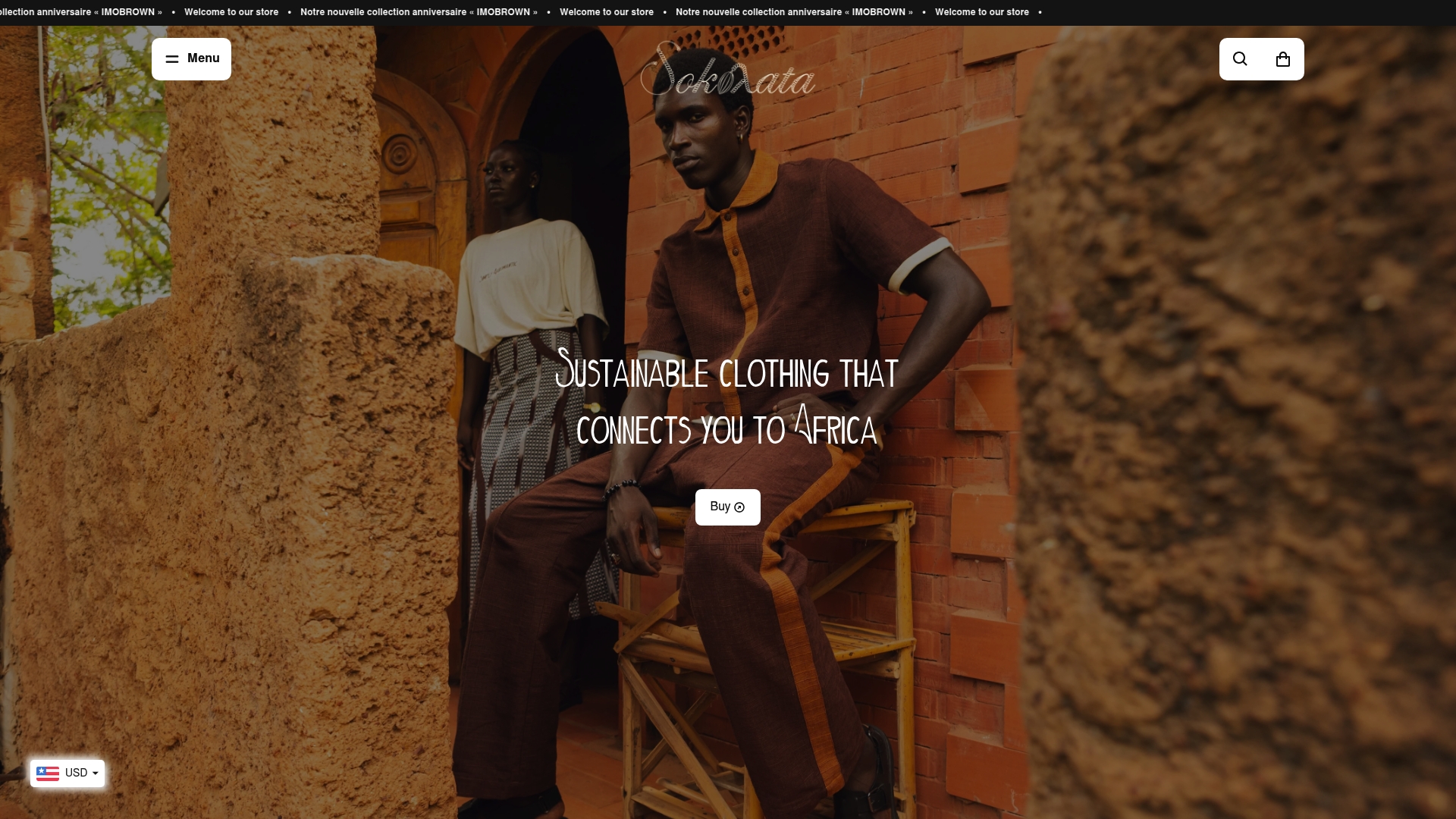
Senegalese cotton and handwoven textiles from Benin, Senegal, Burkina Faso, and Kenya anchor Sokolata Clothing’s collections. The brand pairs those materials with organic fibers and local craftsmanship to create culturally inspired apparel. The site highlights sustainability, ethical sourcing, and narrative-driven pieces that aim to connect buyers with African heritage.
Core features
Sokolata focuses on the use of natural, organic materials and traditional handwoven textiles that come from across West and East Africa. The catalog includes ready-to-wear dresses, sets, bags, and accessories woven or sewn by local artisans. Product pages emphasize cultural storytelling and artisan credits to explain material origin and technique. The brand also showcases limited lines such as the IMOBROWN anniversary collection.
Key differentiator
Sokolata’s main strength is its exclusive use of authentic African artisanal textiles paired with a clear sustainability commitment. That combination makes the pieces feel like wearable cultural stories rather than mass-produced fashions. The approach serves shoppers who want provenance, craft, and responsible sourcing rather than fast fashion trends.
Pros
-
Authentic craftsmanship supports local artisans. The brand sources handwoven textiles and credits regional techniques, which sustains craft practices and communities.
-
Strong sustainability emphasis. Sokolata uses organic and locally sourced fibers that reduce reliance on synthetic materials.
-
Curated cultural collections. Lines like IMOBROWN show thematic design intent and give buyers a coherent styling direction.
-
High-quality materials and construction. Handwoven fabrics and Senegalese cotton create garments that feel substantial and lasting.
-
Clear storytelling on product pages. The site provides context about materials and makers, which helps buyers value each piece beyond its look.
Cons
-
Shipping limits restrict reach. International shipping appears focused on Africa and Europe, which may leave some markets with higher costs or no service.
-
Inventory can feel scarce. Several items look limited or temporarily sold out, which complicates immediate purchases for some shoppers.
-
Pricing is not always transparent across the catalog. The site lists ranges, which suggests a premium price point tied to artisanal production.
-
No physical stores. Shoppers who prefer trying garments in person have no retail locations to visit.
When it may not fit
If you need fast mass-market sizing and wide inventory, Sokolata may frustrate you. The catalog can show seasonal availability and limited runs, so urgent wardrobe needs might not be met. Buyers outside Europe and Africa should check shipping terms carefully because the brand’s logistics favor nearby regions.
Who it's for
This brand fits culturally minded shoppers, diaspora customers, and conscious consumers who prioritize artisan-made clothing. You should value material provenance, storytelling, and ethical sourcing. If you treat garments as cultural statements and keepers of craft, these pieces will resonate strongly.
Real world use case
A buyer in Europe finds a handwoven tote and a traditional top on the product page. They read the artisan notes, place the order, and accept a slightly longer lead time because the pieces are made from locally sourced textiles. The delivery arrives with clear labeling about origin and care, reinforcing the buyer’s cultural connection.
Pricing
Most items list between €59 and €115, with accessories and bags around €68 to €103. The site displays shipping options and occasional discounts at checkout. Expect pricing to reflect artisanal material and limited runs rather than fast-fashion levels.
Website: https://sokolata-clothing.com
Comparison of alternatives
Exploring alternatives for African-inspired fashion reveals options emphasizing cultural heritage and sustainability, allowing readers to find the perfect fit for their preferences.
Artisan quality vs. accessibility
Sena Nukunu excels in offering handcrafted garments made by skilled artisans in West Africa, blending tradition with contemporary design for unique wardrobe additions. In contrast, Diyanu prioritizes accessibility and affordability by producing fashion-forward collections in African prints catering to broader audiences. While Sena Nukunu provides cultural depth and bespoke quality, Diyanu balances style with practicality for everyday wear.
Sustainability in sourcing
Sokolata Clothing emphasizes organic, local fibers for its apparel, underscoring environmental stewardship. Its garments celebrate African craft while adhering to eco-friendly practices. This sustainable model distinguishes it from Diyanu’s contemporary fashion focus and complements Sena Nukunu's commitment to authentic textile origins. For readers valuing environmental considerations, Sokolata Clothing stands out.
Best fit
- For customers prioritizing artisan craftsmanship and unique cultural storytelling, Sena Nukunu provides garments that honor West African traditions while fitting modern wardrobes.
- For shoppers seeking affordable and trendy African prints, Diyanu delivers broad accessibility with vibrant patterns and frequent restocks.
- For buyers demanding sustainable luxury with a focus on traditional practices, Sokolata Clothing offers garments imbued with cultural and environmental significance.
Our pick
For individuals emphasizing the significance of authentic craftsmanship and West African heritage, Sena Nukunu represents the ideal choice. Its direct artisan collaborations result in heirloom-quality garments that resonate through cultural storytelling and refined designs. However, for those focusing on specific needs such as affordability or sustainability, evaluating other options like Diyanu or Sokolata Clothing may align better with their priorities.
Choosing the right African-inspired clothing retailer can depend on factors such as product authenticity, pricing, and customization options. Compare below to find the store that best fits your preferences.
| Brand | Key Differentiator | Best For | Pricing | Limitation |
|---|---|---|---|---|
| Senanukunu | Handcrafted garments blending tradition with modern wear. | Authentic artisan-crafted unique apparel. | $132–$800 | Limited international shipping available. |
| Diyanu | Trend-driven African prints in accessible apparel ranges. | Affordable ethnic print-inspired fashion. | $55–$99 | International shipping partially limited. |
| Sokolata Clothing | Organic fibers with artisan textiles from West and East Africa. | Sustainability-conscious, provenance-valuing customers. | €59–€115 | Shipping focused on Africa and Europe. |
Discover a rich alternative with Senanukunu
Choosing from various fufuacollections.net alternatives can feel overwhelming when seeking genuine West African fashion that honors cultural pride and artisanal craftsmanship. Senanukunu offers a vibrant collection of handcrafted dresses, matching sets, and statement apparel that celebrate heritage through ethical production and community empowerment. Each piece is a testament to resilience and legacy, designed to bring confidence and comfort into your wardrobe.
Experience the difference:
- Authentic artisan stories woven into every garment
- Limited quantities that emphasize quality and cultural significance
- A U.S.-based platform with direct support for West African makers
Explore Senanukunu’s collection and connect with fashion that truly carries the spirit of tradition. Take a moment to browse and select a piece that honors your story while uplifting artisan communities.
FAQ
What types of clothing does Senanukunu offer?
Senanukunu specializes in authentic West African handcrafted apparel, including dresses, men's Agbada ensembles, and matching sets. Their offerings emphasize vibrant cultural motifs, making each piece a unique representation of traditional craftsmanship. Consider exploring their selection to find garments that connect you to rich cultural legacies.
How does Senanukunu compare to diyanu in terms of pricing?
Diyanu typically offers clothing items priced between $55 and $99, making its products accessible without luxury labeling. In contrast, Senanukunu's pieces range from approximately $132 to $800, reflecting the artisanal craftsmanship and cultural significance behind each garment. If you prioritize quality and cultural storytelling, Senanukunu provides a meaningful investment.
What makes Senanukunu stand out among african-inspired clothing retailers?
Senanukunu stands out due to its focus on ethically sourced, handcrafted garments paired with modern designs that resonate culturally. The brand's commitment to fair trade and community support allows your purchase to directly benefit artisans in West Africa, making it a thoughtful choice for consumers who wish to empower local makers.
Can i find unique cultural pieces at sokolata clothing?
Sokolata Clothing emphasizes a unique commitment to authentic African artisanal textiles and sustainability, showcasing limited collections like the IMOBROWN anniversary line. While Senanukunu offers a broader range of ready-to-wear items, Sokolata's focus is more on limited, narrative-driven pieces. If you seek distinct cultural offerings, Sokolata might be worth exploring, alongside Senanukunu's options.
What is the focus of the artisan empowerment initiatives associated with Senanukunu?
Senanukunu channels its profits back to local artisans in Ghana and Togo, supporting their incomes and fostering community development. This commitment allows your purchase not only to strengthen your wardrobe but also to contribute to the resilience and empowerment of artisan communities. By choosing Senanukunu, you're making a meaningful impact through fashion.