Trust the garment measurements, not the label on the tag. Compare your body measurements to the actual bust, hip, and length numbers listed for each size, and choose the size whose garment dimensions meet or slightly exceed your own. If you land between two sizes, size up for a flowy silhouette or size down when you want a tailored shape. The charts, measuring steps, and fabric notes below walk you through every part of that decision.
TL;DR:
- Selecting the correct kaftan size depends on comparing your body measurements to garment dimensions, not the size label or vague categories.
- Flowy and belted kaftans require additional ease and benefit from sizing up if you're between sizes, while tailored styles should match your actual measurements closely.
- One-size kaftans typically have an inner circumference and length range; check if your hips or height fall within those limits to ensure proper fit.
- Fabric choice and care instructions impact fit, with lightweight drapes requiring extra size allowance and heavier fabrics needing more room due to weight.
- Always measure yourself at the end of the day and double-check your measurements against the specific garment's listed dimensions before ordering.
Table of Contents
- Reading a Kaftan Size Chart: Garment vs. Body Measurements
- How Do You Measure Your Body for a Kaftan?
- How Do Kaftan Silhouettes Change Your Size Choice?
- What Does "One Size" Actually Mean on a Kaftan?
- How Fabric and Care Instructions Affect Kaftan Fit
- Where Sena Nukunu Lists Kaftan Measurements
- A Buyer's Checklist Before You Order
- Ready to Shop With Confidence? Here's Your Next Step
- Sources
Reading a Kaftan Size Chart: Garment vs. Body Measurements
Every confident kaftan purchase starts with one distinction: garment measurements describe the finished piece of clothing, while body measurements describe you. Most kaftan pages, including detailed size guides across the category, publish garment dimensions because a kaftan's flowing cut means the fabric itself carries far more ease than a fitted dress ever would. That's the number you should compare your own measurements against, not the vague "small, medium, large" label alone.
A typical chart lays out four columns, and understanding each one prevents a guessing game at checkout.
- Size: the label (XS, S, M, L, XL) tied to a specific measurement range.
- Bust: the garment's circumference across the chest, laid flat and doubled, or measured around.
- Waist: the garment's width at the narrowest marked point, which on many kaftans is looser than a fitted waist.
- Hip: the circumference at the fullest part of the garment, an important number since kaftans are cut to move.
- Length: the measurement from shoulder seam to hem, which determines whether the piece hits at the ankle or pools on the floor.
Retail charts commonly show bust ranges across a size run with corresponding waist and cross-front values scaling alongside them, according to one widely referenced caftan chart. Nearly every American retailer lists these figures in inches. If you've measured yourself in centimeters, divide by 2.54 to convert, and round to the nearest quarter inch so your number lines up cleanly with the chart's increments.
How Do You Measure Your Body for a Kaftan?
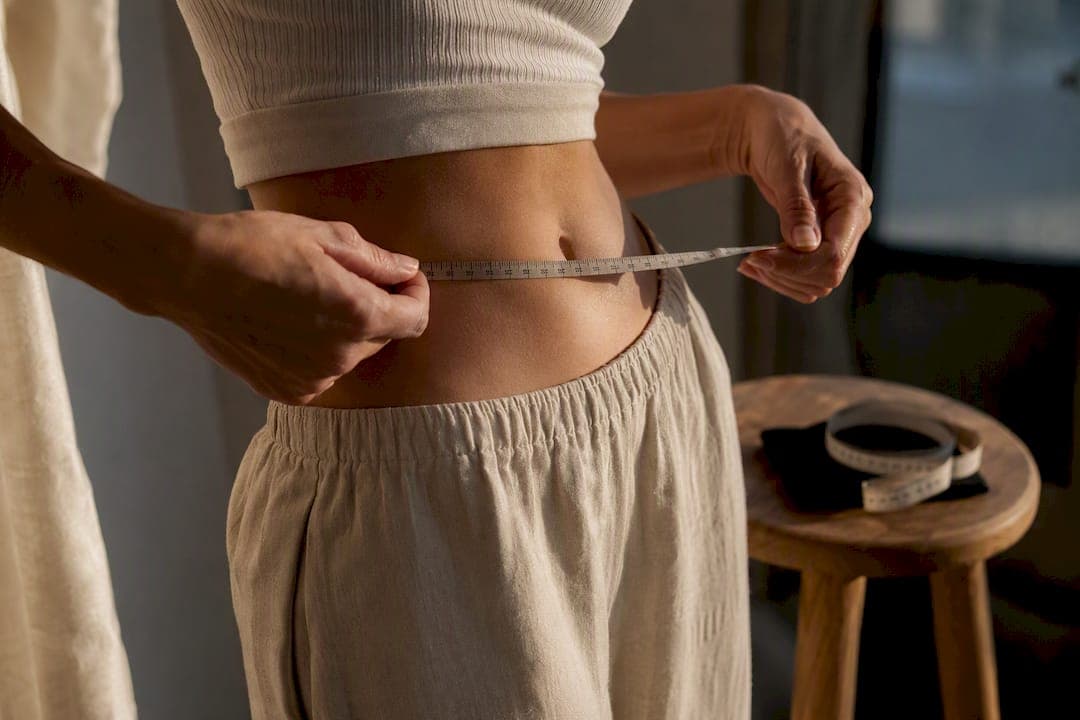
Grab a soft tape measure, stand in front of a mirror, and if you can, ask someone to help. Wear a fitted undergarment so the tape sits against your actual shape rather than bunched fabric.
- Bust: wrap the tape around the fullest part of your chest, keeping it level across your back.
- Underarm to underarm: measure straight across your chest from one underarm to the other, useful for kaftans with dropped or batwing sleeves.
- Waist: find your natural waistline, the narrowest point when you bend slightly to one side, and measure around it.
- Hips: circle the tape around the fullest part of your hips and backside.
- Shoulder to hem: decide your desired length, whether ankle-grazing or floor-length, and measure from the shoulder seam down.
- Sleeve or arm opening: if the kaftan has a fitted sleeve, measure around your upper arm at its widest point.
Stand naturally, breathe normally, and measure twice for each number since a single reading can shift depending on posture. Write every measurement down before you open a size chart.
Pro Tip: Measure at the end of the day rather than first thing in the morning. Bodies shift slightly with hydration and activity, and an evening measurement tends to reflect how the kaftan will actually sit on you day to day.
How Do Kaftan Silhouettes Change Your Size Choice?
The cut you're drawn to should shape the size you pick, because ease varies dramatically between styles.
- Flowy kaftans: designed with generous drape, these often need several extra inches of ease beyond your body measurement, so sizing up rarely hurts and can enhance the movement of the fabric.
- Belted kaftans: an inner tie or sash lets you cinch excess fabric at the waist, which means you can comfortably size up for shoulder and hip room without losing shape.
- Tailored kaftans: structured seams and darts leave little room for adjustment, so these styles reward sizing closer to your actual measurements rather than rounding up.
If you're between two sizes on a flowy or belted piece, choose the larger size. Fashion stylists have long recommended internal belts and ties as a way to personalize fit on luxury kaftans, turning a loose silhouette into a defined one whenever you want that shape for an evening out. Tailored pieces work in reverse: size down when torn, since a tailored kaftan that's too generous loses the structure that makes the style work in the first place.
What Does "One Size" Actually Mean on a Kaftan?
"One size" is not a promise that the piece fits every body. It typically describes an inner circumference and a set length range, and some makers even break their one-size offerings into short, mid, and long variants to account for height, as shown in Laloom Kaftans' size charts. Before assuming a one-size piece will work, check whether the listed inner-circumference number comfortably clears your hip measurement.
- If your hip measurement sits near the top of the stated range, expect a closer fit through the body.
- If you're significantly taller or shorter than the average height a one-size piece is designed for, the length may land in an unflattering spot.
- When one-size doesn't work, look for a sized alternative, plan for simple hem alterations, or reach out directly for custom sizing.
How Fabric and Care Instructions Affect Kaftan Fit
The fabric a kaftan is cut from changes how that garment measurement chart translates into real life. Silk and rayon drape close to the body and stretch slightly with wear, while cotton and linen hold their shape but can shrink after washing. Heavier embroidered or beaded pieces add structure and weight, which limits stretch but also limits how much the fabric moves with you.
- Add roughly 0.5 to 1 inch of allowance when choosing a size in shrink-prone cotton, especially if you plan to machine wash it.
- Give heavier embroidered kaftans 1 to 2 inches of extra ease, since the added weight of beading or thread work reduces natural drape.
- Always check the care label or product description for wash instructions. A piece marked dry-clean only will hold its measurements far more reliably than one meant for home laundering.
Where Sena Nukunu Lists Kaftan Measurements
Sena Nukunu is built around authentic, ready-to-wear West African fashion, and every kaftan on the site is presented with garment measurements you can compare directly to your own numbers, following the same logic Shopify recommends when it advises sellers to display clear garment dimensions to cut down on guesswork and returns.
- Check the Nyame Nti Embroidered Kaftan product page for a real example of how bust, length, and fit notes appear together.
- The Midnight Prestige Kaftan 3-Piece Set and the Crimson Heritage Kaftan list their own measurement details on their individual product pages, so review each one separately since sets and single pieces don't always share proportions.
- For fit questions or a custom request, reach the team through the services page, where alteration and custom-sizing options are explained.
A Buyer's Checklist Before You Order
Measure yourself first, then compare those numbers to the garment chart, not the size label. Think through the length and silhouette you actually want, factor in how the fabric behaves, and remember that a belt, tie, or simple tailoring adjustment can rescue a near-perfect fit. My honest advice after years of watching customers navigate similar charts: when in doubt on a flowy piece, size up. A little extra room in a kaftan reads as intentional, effortless style. Too little room just reads as tight.
— Sena
Ready to Shop With Confidence? Here's Your Next Step
The measurements are given up front, so you're never stuck ordering a kaftan and hoping it works out. Every product page lists garment dimensions you can hold up against your own numbers, and the services page is there if you want a custom fit rather than a standard size.

Start by pulling out your tape measure and jotting down your bust, waist, and hip numbers. From there, compare them against the chart on a piece like the Nyame Nti Embroidered Kaftan, or browse the full dress and kaftan collection to see the range of silhouettes available. If your measurements fall between two sizes, or you want adjustments to length or fit, reach out through the services page before you check out. Once your numbers are in hand, visit Sena Nukunu and shop knowing exactly how each piece will sit on you.