TL;DR:
- Creating statement outfits involves building looks around one bold piece supported by neutral layers. This method, called statement anchoring, ensures cohesive, confident dressing while reflecting personal and cultural identity. A five-minute, step-by-step workflow with an emphasis on editing helps achieve polished, expressive ensembles.
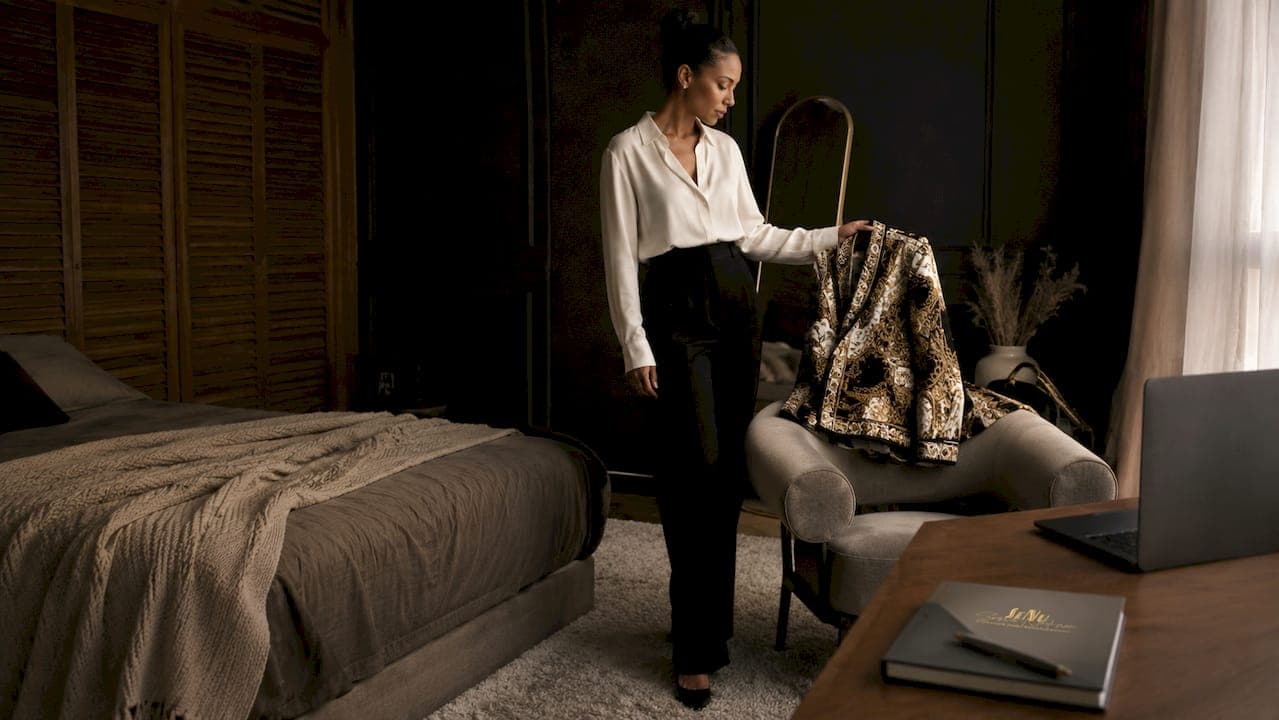
Creating statement outfits workflow is the practice of deliberately assembling each look around one defining bold piece, then building every other element to support it. This approach gives you a repeatable system that removes guesswork, sharpens your personal style, and lets your cultural identity speak through what you wear. Stylists call this method "statement anchoring," and it works whether you are dressing for a gallery opening, a family gathering, or a Tuesday afternoon. The result is a wardrobe that feels intentional, confident, and deeply yours.
What are the essential principles behind creating statement outfits?
The foundation of any strong outfit planning process is the One-Statement Rule. This principle holds that one bold piece anchors the entire look while everything else steps back to support it. The rule prevents the visual chaos that comes from stacking too many competing elements.
The ratio that makes this work is 70% neutral base, 30% hero piece. Your neutrals, whether cream linen trousers, a white fitted tee, or a tan wrap skirt, create the quiet frame your statement piece needs to sing. Without that frame, even the most beautiful piece loses its power.
Matching intensity
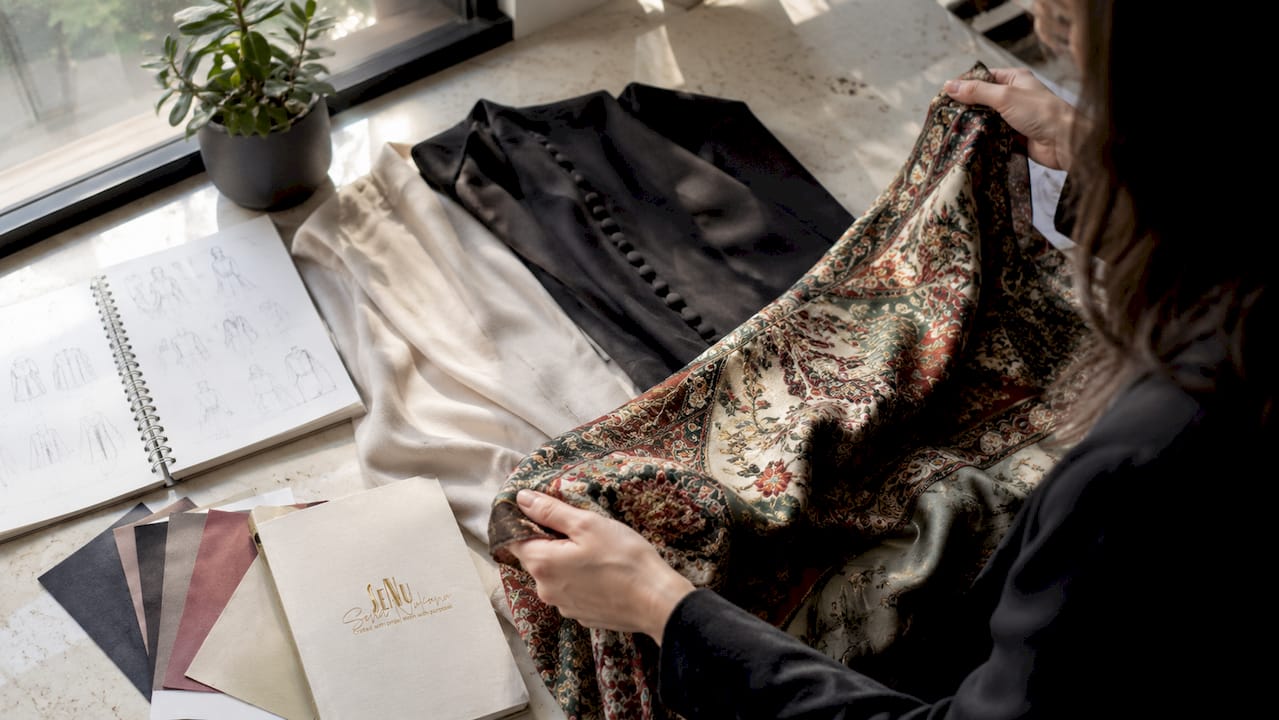
Intensity matching is the technique of pairing your hero piece with base items of similar visual weight. A heavily embroidered Kente-inspired jacket, for example, pairs best with clean, minimal separates rather than a printed blouse. The contrast is what creates impact. Statement piece power comes from contrast, not cost.
Silhouette logic
High-end styling prioritizes silhouette logic over trends. A frame of clean lines around your statement piece lets it express identity clearly. If your hero piece is voluminous, like a wide-sleeve kaftan, balance it with fitted bottoms. If it is slim and structured, you can afford more volume below.
Color echoing for cohesion
Color echoing is the practice of repeating a subtle element from your hero piece once elsewhere in the look. If your statement dress carries a deep terracotta, a terracotta sandal or a small bag in the same tone ties the outfit together without forcing a matchy-matchy feel. This technique creates harmony without redundancy.
- One statement piece only. Never let two bold pieces compete for attention in the same outfit.
- Neutrals do the heavy lifting. Ivory, camel, black, and warm gray are your most reliable base colors.
- Echo, don't repeat. Pick up one color or texture from your hero piece in one other item.
- Avoid over-accessorizing. Two to three accessories maximum keeps the look polished.
Pro Tip: Stand in front of a mirror and squint. If your eye lands on one place, your outfit is working. If it jumps around, remove one element.
What is a practical step-by-step workflow to assemble statement outfits?
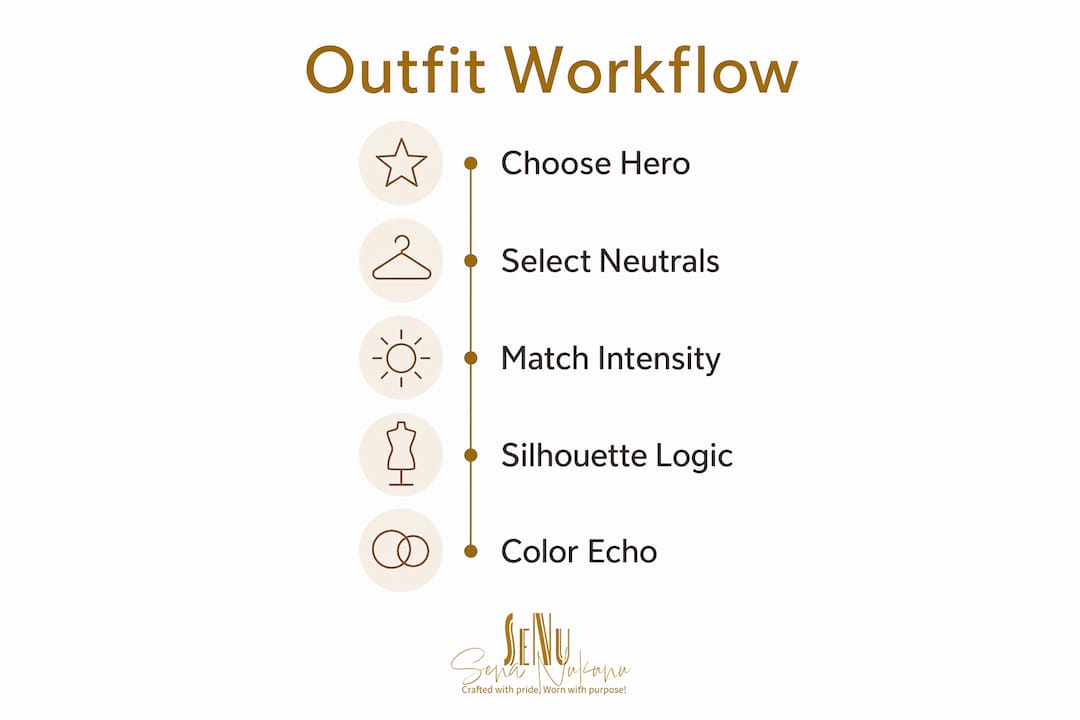
A 5-step outfit planning process can be completed in about five minutes each day. That speed matters because it reduces decision fatigue, which is the mental drain that comes from making too many small choices before you even leave the house. A clear sequence makes bold dressing feel effortless rather than exhausting.
- Choose your hero piece first. Start with the item that carries the most visual energy. This could be a richly printed Senanukunu dress, a structured embroidered jacket, or a pair of statement trousers. Everything else responds to this choice.
- Build your base layer. Select one or two neutral pieces that frame the hero without competing. A fitted white top under a printed set, or slim black trousers beneath a bold blouse, creates the quiet backdrop the look needs.
- Add your third piece. This is often a layer, a belt, or a structured bag. The third piece adds dimension without adding noise. Keep it in a neutral or a tone pulled directly from the hero piece.
- Choose your shoes with intention. Shoes either ground the look or extend the statement. A neutral shoe lets the hero piece breathe. A shoe that echoes one color from the hero piece adds a confident finishing note.
- Edit one thing out. After assembling the full look, remove one element before you leave. This edit step is the most underused technique in styling. It consistently produces a more polished, less cluttered silhouette.
Pro Tip: Lay your outfit out the night before using this five-step sequence. Morning decisions made under time pressure are almost always worse than calm, deliberate evening choices.
True style expertise is about building systems, not making individual decisions. Defining how you want to feel in each outfit before you open your closet removes the paralysis of too many options. Write down three words that describe your intended feeling, such as "regal, grounded, vibrant," and let those words guide each step of the workflow.
How can you tailor the workflow to reflect personal style and cultural heritage?
Your workflow becomes most powerful when it reflects who you are, not just what is trending. Wardrobe inventory is the starting point. Walk through your closet and identify the pieces that feel most like you. Look for patterns: recurring colors, recurring textures, recurring silhouettes. These are your personal anchors.
Cultural motifs are among the most expressive tools in a statement outfit. A West African capsule wardrobe built around Ankara prints, hand-woven Kente cloth, or Adire-dyed fabrics gives you a set of hero pieces that carry history and meaning in every thread. Pairing these with modern neutrals creates a look that is both timeless and deeply personal.
- Identify your signature colors. These are the shades you reach for instinctively. Build your neutral base around them so your hero pieces always feel cohesive.
- Create mini capsule collections. Group three to five pieces that work together around a cultural theme or a specific occasion. Review and refresh these groups every few weeks, as style experts recommend.
- Echo cultural textures. If your hero piece features hand-embroidery, echo that craft in a beaded earring or a woven bag. The repetition honors the artistry without overwhelming the look.
- Schedule periodic style audits. Set aside time once a month to assess what is working. Remove pieces that no longer reflect your identity and replace them with items that do.
Personal expression through statement pieces is not about wearing more. It is about wearing with more intention. When your hero piece carries cultural meaning, the entire outfit becomes a form of storytelling, and that is a kind of confidence no trend can manufacture.
What are common mistakes in creating statement outfits workflows and how to avoid them?
The most common styling error is failing to match intensity between the hero and base pieces. When both pieces carry strong visual energy, they compete rather than collaborate. The result is an outfit that reads as busy rather than bold.
- Competing bold pieces. Two printed or heavily textured items in one outfit split the viewer's attention. Choose one hero and let everything else support it.
- Clashing colors. Colors that fight each other undermine even the most beautiful individual pieces. Use the color echoing technique to create harmony.
- Ignoring proportions. A voluminous top with wide-leg trousers creates a shapeless silhouette. Silhouette logic requires balance: volume on top, structure below, or vice versa.
- Over-accessorizing. Adding every piece you love to one outfit dilutes the impact of each. Two to three accessories is the ceiling.
- Skipping the edit step. Removing one element after assembly is the single most effective finishing technique in the workflow. Most people skip it and then wonder why the look feels slightly off.
The distance test is a practitioner technique that solves focal clarity problems. Step back from the mirror until you are about ten feet away. If your eye settles on one piece, the outfit is working. If it jumps between two or three areas, you have competing volumes or silhouettes that need editing.
"Avoiding rigidity is as important as maintaining cohesion. A workflow is a guide, not a cage. When a piece speaks to you deeply, trust that feeling, then use the workflow to build around it rather than against it."
Why a clear workflow changed how I think about getting dressed
The psychological shift that comes from having a clear statement outfit system is real, and I did not expect it to be so significant. Before I had a workflow, getting dressed felt like a daily negotiation between what I owned and what I wanted to feel. After building a repeatable process, that negotiation disappeared. The decision was already made. I just followed the steps.
What surprised me most was how the workflow created space for cultural expression rather than limiting it. When you know your neutral base and your edit rule, you can place a richly embroidered piece or a vibrant Ankara print at the center of the look without hesitation. The system holds the boldness steady. Every stitch and pattern in a culturally rooted piece carries a legacy, and a clear workflow lets that legacy speak without distraction.
The edit step is the one I recommend most to anyone who feels their outfits are "almost there" but not quite landing. Remove one thing. Almost every time, the look improves immediately.
— Sena
Senanukunu's curated pieces for your statement wardrobe
Senanukunu was built for exactly this kind of intentional dressing. Every piece in the collection is designed to serve as the hero in your workflow, whether that is a richly printed statement dress that anchors a neutral base or a hand-crafted set that carries West African heritage into your everyday wardrobe. The pieces are made in limited quantities, crafted with care, and ready to ship so your workflow never has to wait. Visit Senanukunu's full collection to find the hero piece your wardrobe has been waiting for. If you want personalized guidance on building your statement wardrobe, styling services are available to help you match the right pieces to your personal anchors and cultural identity.
Key Takeaways
A strong creating statement outfits workflow requires one bold hero piece, a 70% neutral base, an intensity match between elements, and a final edit step that removes one item for polish.
| Point | Details |
|---|---|
| One-Statement Rule | Anchor every outfit with one bold hero piece and let neutrals fill the remaining 70%. |
| Intensity matching | Pair your hero piece with base items of similar visual weight to avoid competing elements. |
| Color echoing | Repeat one color or texture from the hero piece once elsewhere to create cohesion. |
| The edit step | Remove one element after assembling the full look to sharpen the silhouette and polish the result. |
| Cultural anchoring | Build mini capsule collections around cultural motifs and review them every few weeks to keep them current. |
FAQ
What is a statement outfit workflow?
A statement outfit workflow is a repeatable, step-by-step process for building outfits around one bold hero piece, supported by neutral base layers and finished with a deliberate edit. The goal is confident, cohesive dressing with minimal daily decision-making.
How long does the outfit planning process take?
A five-step outfit planning process typically takes about five minutes once you have a clear system in place. Laying out your outfit the night before reduces that time further and improves the quality of your choices.
What is the One-Statement Rule in fashion?
The One-Statement Rule recommends composing 70% of your outfit from neutral base pieces and dedicating 30% to one hero statement piece. This ratio maintains visual hierarchy and prevents competing elements from diluting the look's impact.
How do I incorporate cultural heritage into my statement outfits?
Build mini capsule collections around cultural motifs such as Ankara prints, Kente cloth, or hand-embroidered textiles, then pair them with modern neutrals. Echo one cultural texture or color in a single accessory to honor the artistry without overwhelming the outfit.
What is the distance test in styling?
The distance test is a technique where you step back roughly ten feet from a mirror and observe where your eye lands. If it settles on one focal point, the outfit is balanced. If it jumps between areas, competing volumes or silhouettes need to be edited out.